

Information for
Helpful Links
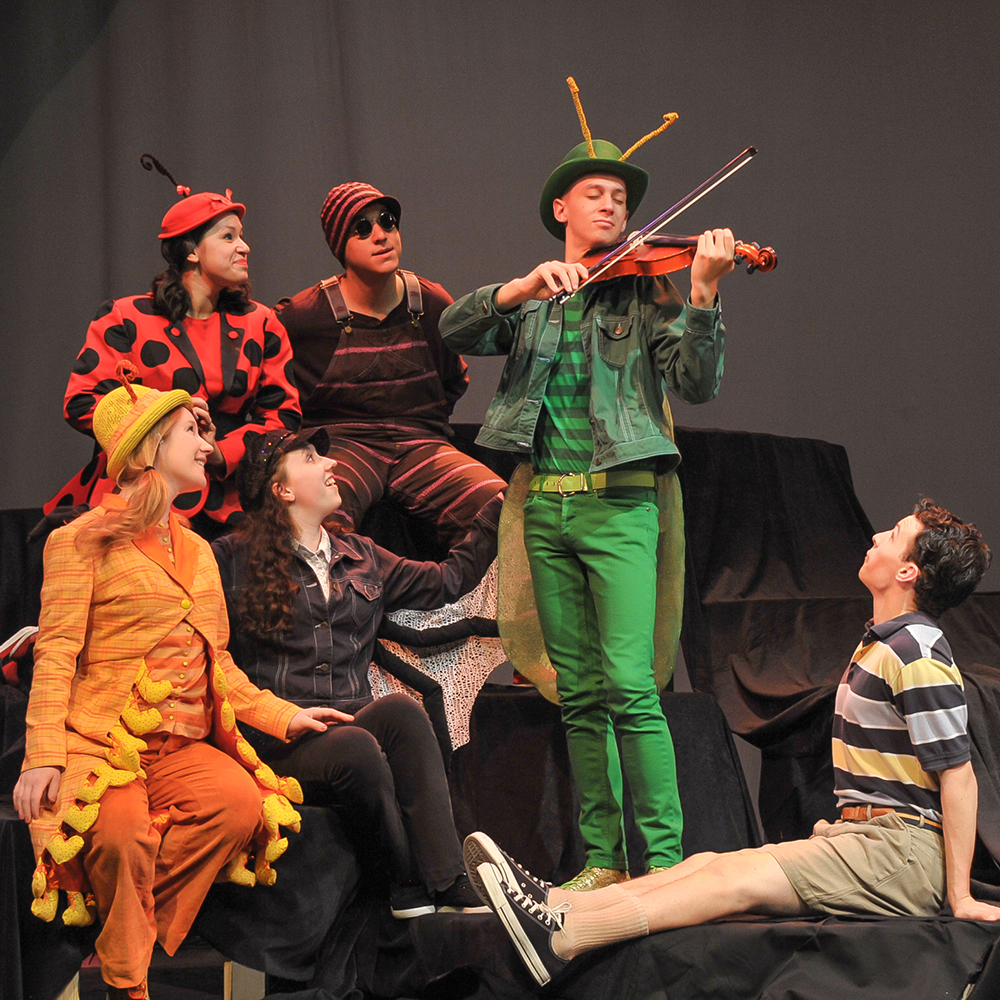

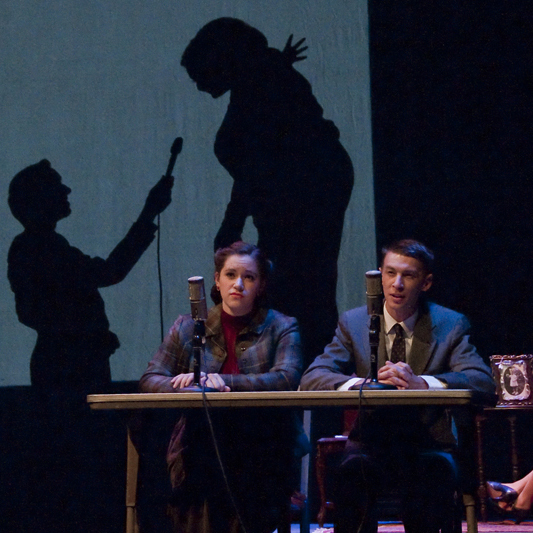
As Vice President of External Affairs at Baltimore Children & Youth Fund, Brandon Hansen leads communications, fundraising, and external partnerships that support investment in programs that benefit Baltimore’s youth. He’s also held positions at Baltimore Center Stage, Woolly Mammoth Theatre Company, and Two River Theater.
A graduate of Russell Sage College with a B.A. in Theatre, he’s found that his training in performance and storytelling shapes the way he engages the community, raises resources, navigates complexity, and learns from others.
Hansen will share advice for turning creative skills into real-world impact and letting go of the myth that your career trajectory has to look a certain way when he delivers Russell Sage’s 2026 Sherman David Spector Lecture on March 16 at 6 p.m. in Bush Memorial Hall on the college’s Troy campus. The event is free and open to the public, but registration is requested.
“A couple of years after I stopped performing I started to notice I was tapping into some of my theatre training off the stage. And once I realized that I was doing it, I kind of felt like I had a superpower that I should lean into,” he said. “That’s what I’m really inspired to talk about in March.”
Keep reading to learn more about Hansen and his upcoming talk.
You’re Vice President of External Affairs at the Baltimore Children & Youth Fund. What does your work look like day-to-day?
It changes every day. My calendar can look like a day of meetings with elected officials to talk about policy, or I could spend some of my day meeting with our grantee or community partners, or some days I’m meeting with my internal team and talking through strategy. Then my phone could ring and everything could change! I am lucky to have a job that requires flexibility and pivoting on the spot. Things are always in motion.
What parts of your Sage education do you still draw on today?
I use my degree every day. It’s not always the same skills each day, but I am continually surprised by how useful it has been throughout my career. Just a few weeks ago I was using some techniques I learned in a practicum class my junior year before a City Council hearing so I could center myself. There’s so many things I pull from and I’m really excited to share some of those moments with everyone in March.
What experiences in your own career led you to want to speak directly to students about letting go of the idea that their path has to look one way?
When I was first studying theatre, I had this idea that my career journey had to be in performing. It was something I loved, but it seemed to be the only thing I really knew inside and out. It was in college where I was lucky to have professors who showed me that it was OK for me to carve my own path. And from my professors’ support and encouragement, I was able to really branch out locally and work at Capital Repertory Theatre and Proctors — which really helped launch my career.
Your talk will resonate with theatre students — would you say a few words about why students from other majors should consider attending?
Because everything really is theatre. That may sound a little meta, and anyone who knows me knows I’m not especially existential, but I do believe it’s true. Everything we take in, from television and the news to social media — and even our everyday conversations — has a theatrical element to it.
I hope students outside of theatre come away realizing that theatre majors develop incredibly strong professional skills. But more than that, I want all of us to get better at recognizing when something is simply performance, and when it’s something deeper — so that we can connect more intentionally with one another and work toward meaningful social change.
What drew you to Sage, and to theatre, when you were choosing your college?
I was in a production of Hair at Home Made Theater in Saratoga and worked with some Sage students on that show. I developed relationships with those students and they invited me to Sage where I experienced some of what Sage offered first hand. My trajectory at that moment was really gray — I had attended Hudson Valley Community College for Theatre and was still trying to figure out exactly what my path would be. When I was finishing up my two years at Hudson Valley, everything just naturally seemed to come back to Sage. Once I had met Professor David Baecker and we had talked through what everything would look like, I realized Sage was the next place for me to be.
Is there anything you would like to add?
I’d really encourage people to come out for the talk! I always try to keep things humorous and genuine, and I actually do love meeting new people. It’s literally my job! And what better way to do that at Sage than spending a Monday evening together with some laughter and, hopefully, a few aha moments?
About the Spector Lecture: Dr. Sherman David Spector taught history and political science at Russell Sage from 1960 until his retirement in 1992. He served as department chair from 1985 to 1991. He inspired grateful alumnae and friends to establish an endowed professorship and endowed lecture in his honor in 1991. The Spector Lecture Fund provides for a renowned scholar to speak on campus each year.