

Information for
Helpful Links
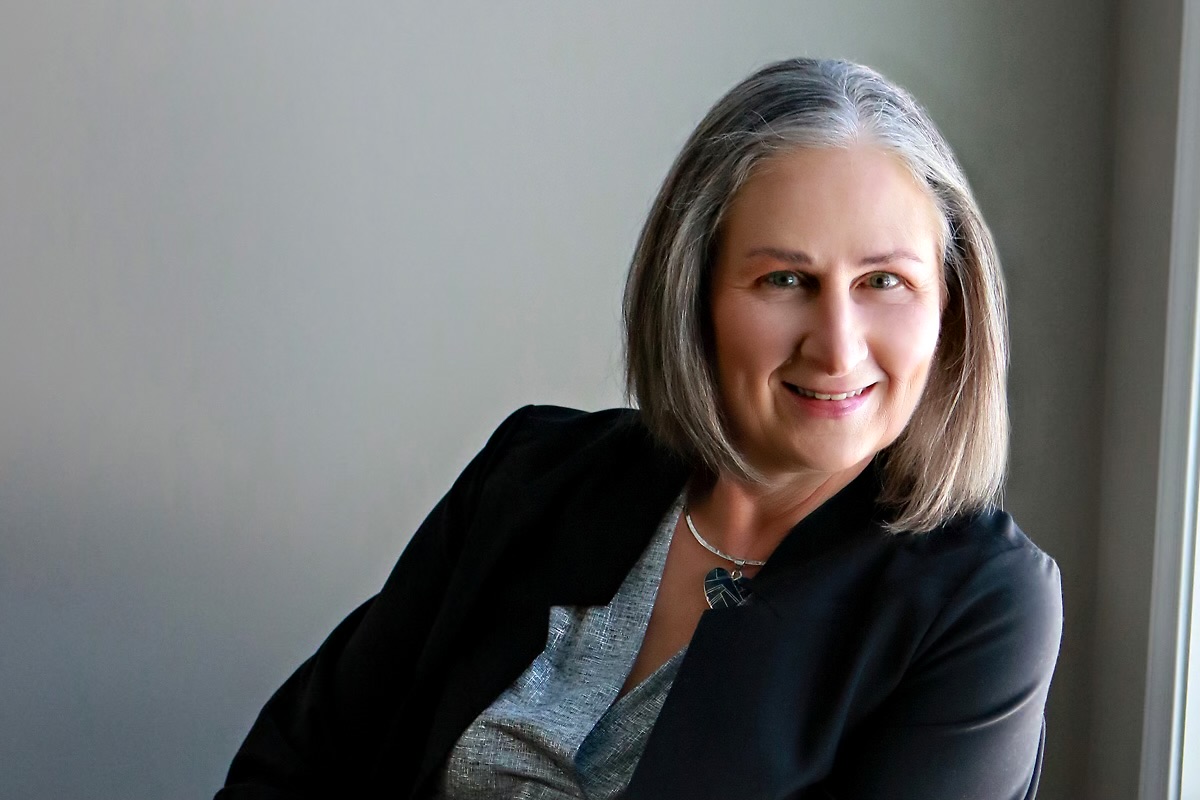
Russell Sage College Associate Professor of Physical Therapy Katrin L. Ramsey recently achieved board certification from the American College of Lifestyle Medicine (ACLM). It’s the latest in a series of advanced credentials for Ramsey, a graduate of Duke’s Leadership Program in Whole Health and Well-Being, who also holds specialty certifications in lymphedema therapy and obstetric physical therapy care.
Lifestyle medicine is an evidence-based medical specialty that uses lifestyle interventions to prevent or heal illness or injury. It’s structured around six pillars: diet, physical activity, sleep, stress management, avoidance of risky substances, and social connections.
While physical therapy has traditionally focused on the physical activity pillar, Ramsey — who has decades of experience as a physical therapist in private practice and as a clinical supervisor at the Hospital for Special Surgery’s Paramus, New Jersey, site — said the field is shifting. As research expands to include a more comprehensive, whole-person approach to health, she believes physical therapists of the future will need to emphasize self-care and self-management in their practice.
In the following Q&A, Ramsey shares how she integrates lifestyle medicine into Russell Sage’s Doctor of Physical Therapy (DPT) program and offers students research opportunities that prepare them for a lifestyle medicine approach to PT.
Doctor Heidi Prather at the Hospital for Special Surgery has begun to publish exciting work regarding how prescribed and implemented intensive lifestyle medicine interventions prior to joint replacement surgery facilitate improved patient post-op outcomes.
I share her insights in the classroom and provide students with the opportunity to manage complex case studies through the lens of a lifestyle medicine practitioner. Students learn to think about strategic referrals to nutritionists, mental health professionals, addictions recovery specialists, and social support networks to facilitate healing and set patients up for lifelong healthy and independent aging.
I am also working on a research project with the American College of Lifestyle Medicine to create a toolkit for providers and patients regarding the benefits of a lifestyle medicine approach to managing chronic low back pain. Students in my courses have been actively involved in critical appraisal of research articles on this topic.
In addition to the ACLM Toolkit for managing chronic low back pain that I just mentioned, some of my most recent research activities include:
ACLM National Conference Presentations (Orlando, Florida • November 2026): I will be presenting two posters at the ACLM annual conference in Orlando in November. The first is “Time for a Paradigm Shift: Lifestyle Medicine Approach to Low Back Pain Management.” After becoming board-certified in lifestyle medicine, I was surprised to learn how few rehabilitation textbooks that address low back pain management discuss new evidence supporting the relationship between a patient’s lifestyle choices and treatment success. I turned this gap into a research assignment for second-year DPT students. We looked at the top studies in low back pain management from multiple electronic databases to advocate for an interprofessional lifestyle medicine approach to chronic lower back pain as a solution to rising national healthcare expenditures.
The second, “Lifestyle Medicine Management of Prenatal Low Back and Pelvic Girdle Pain: A Case Report,” demonstrates how a rehabilitation approach that fostered social connections through community-based movement classes, combined with standard physical therapy practice, resulted in a significantly expedited and successful patient recovery process.
APTA Combined Sections Meeting (Anaheim, California • February 2026): I presented a poster, “Sleep Deficiency: A Modifiable Risk Factor That Negatively Impacts College Student Health and Wellbeing,” at the American Physical Therapy Association Combined Sections Meeting in Anaheim. DPT students Joshua Alvarez-Mapes, Genevieve Brites, Olivia Champitto, and Nicole Soutar contributed to this project.
Submitted to APTA Combined Sections Meeting (Philadelphia, Pennsylvania • February 2027): There is some discussion among American College of Lifestyle Medicine diplomates about the possible addition of a seventh pillar of lifestyle medicine — nature exposure. I’ve submitted “The Benefits of Nature Exposure upon College Student Physiologic and Psychological Stress: A Pilot Study,” conducted with DPT students Brittany D’Angelo, Caden Lee Rosenblatt, Annabella Ulysse, and Jesse VanCleave, for APTA’s 2027 Combined Sections Meeting.
Yes! Physical activity and physical therapy go hand-in-hand, and many students enter the DPT program focused on sports medicine. They may not be as familiar with the other pillars like stress management, nutrition, or social connection.
It is incredibly rewarding to see a lightbulb go off in the classroom. They will look at the data and say, “Oh my gosh, I had no idea how important sleep or nutrition actually was to a patient’s physical recovery.” It completely expands their vision of what they can do as physical therapists.
I am grateful for the opportunity to work at Russell Sage College. The Okanagan Charter signing and Thrive@Russell Sage, designed to facilitate student and staff well-being, align beautifully with lifestyle medicine’s fundamental principles and objectives.
Interdisciplinary symposiums, like the recent Menopause Reimagined conference, give our faculty unique opportunities to support community health promotion and wellness and share our great enthusiasms with likeminded proactive health advocates.
Lifestyle medicine prescriptions have great and unlimited potential to improve both personal and planetary health.