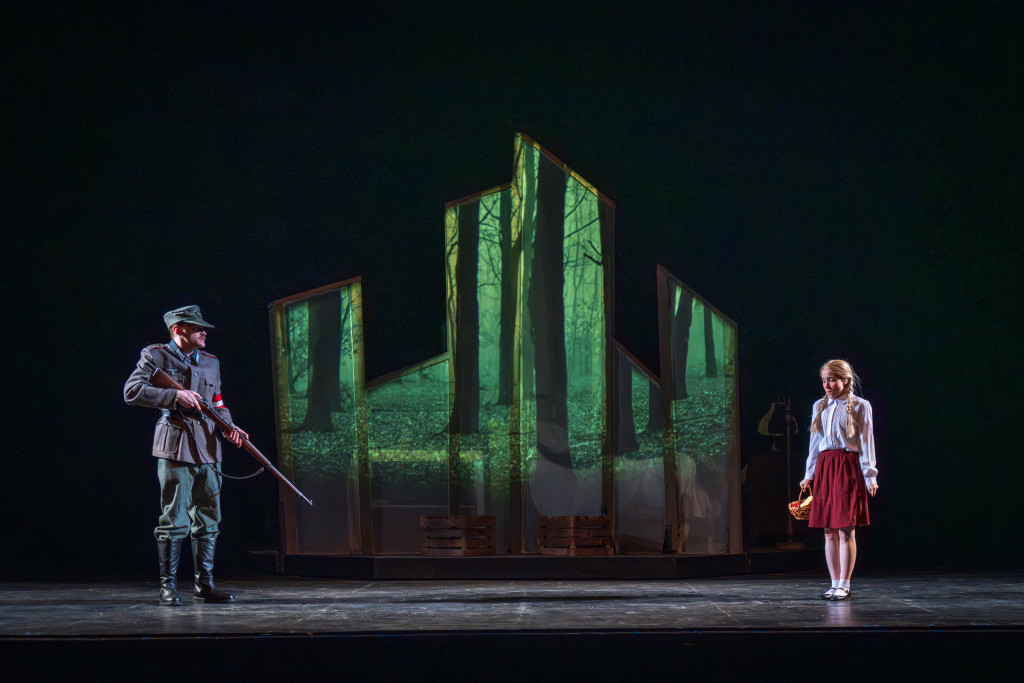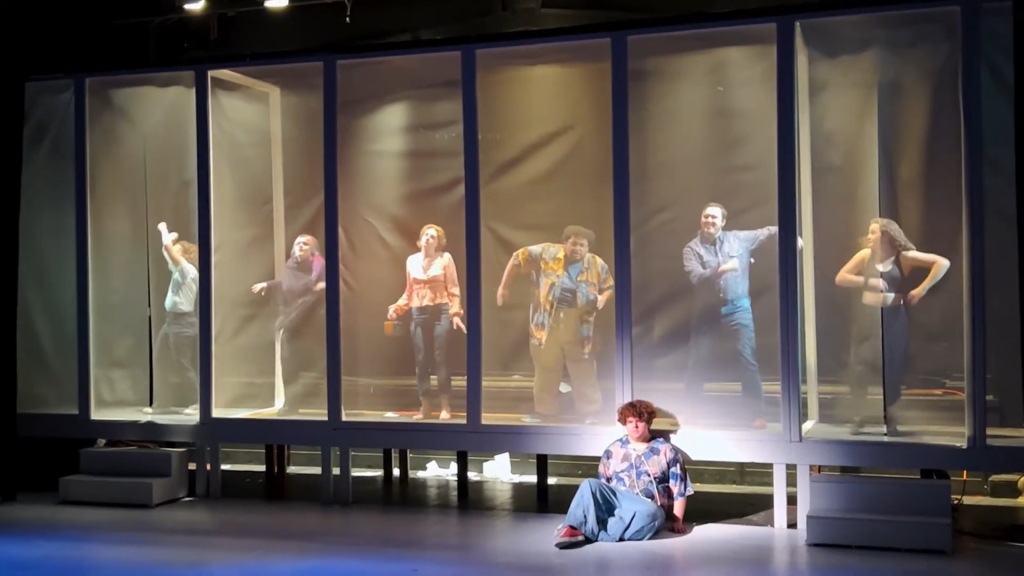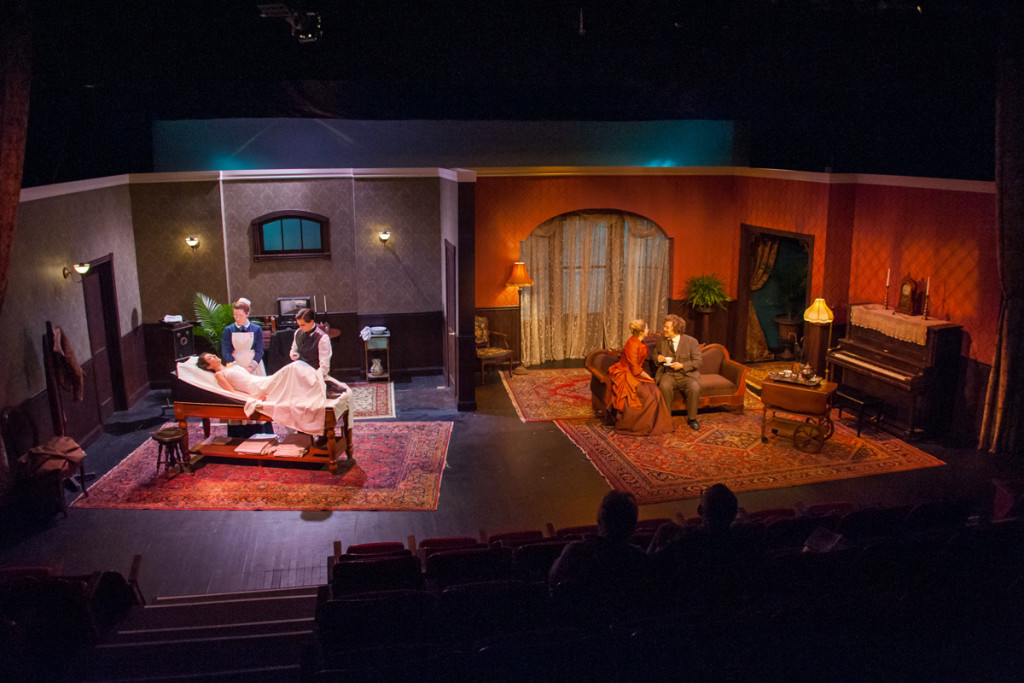

Virtual Information Session

Join us for a virtual information session about the program on Wednesday, June 10, at 7 p.m.

Saturday visit day

Join us for a campus visit on Saturday, June 27 at 10 a.m. Arrival/check-in, admission/Musical Theatre presentation and tours with students of the Troy campus only.

What Sets Our Musical Theatre Degree Apart

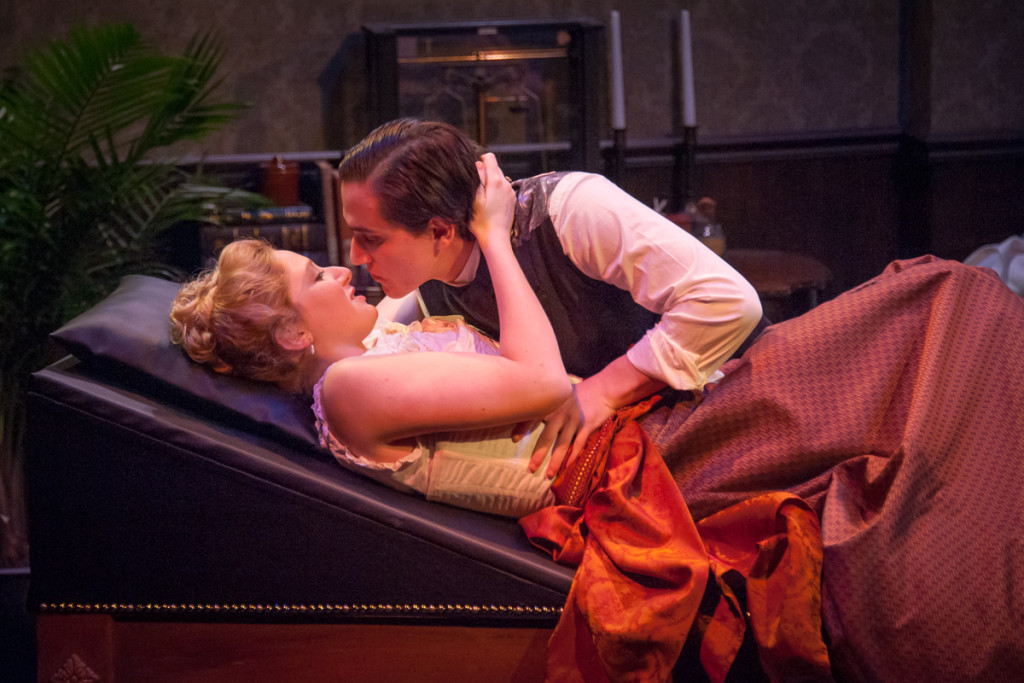
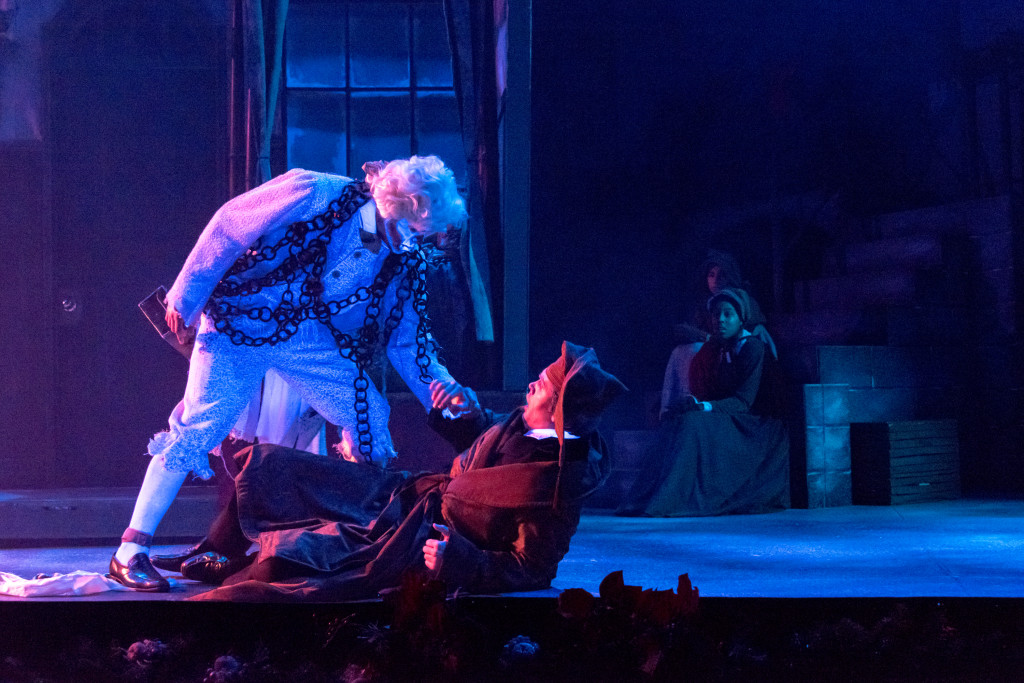
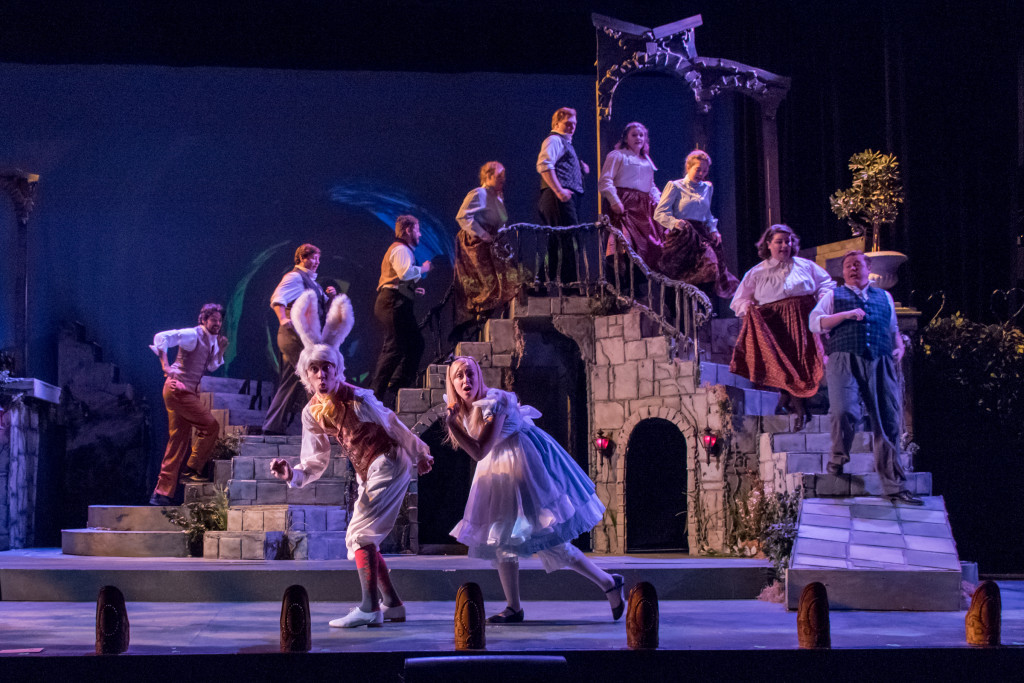
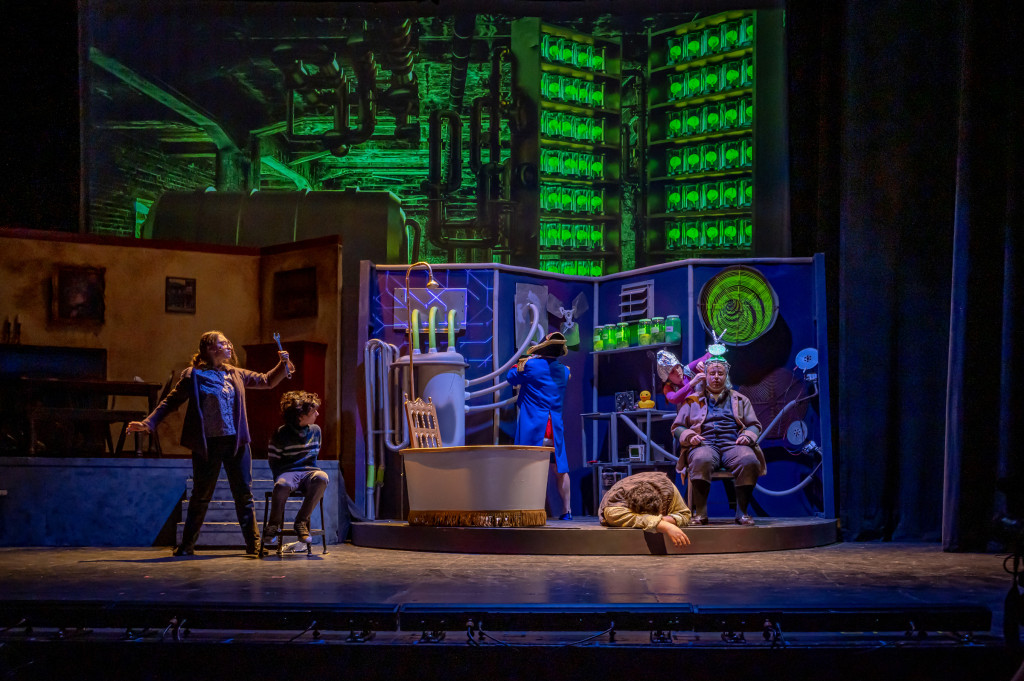
The Musical Theatre program at Russell Sage prepares students for careers on-stage and off by training the whole performer in body, mind, and business.

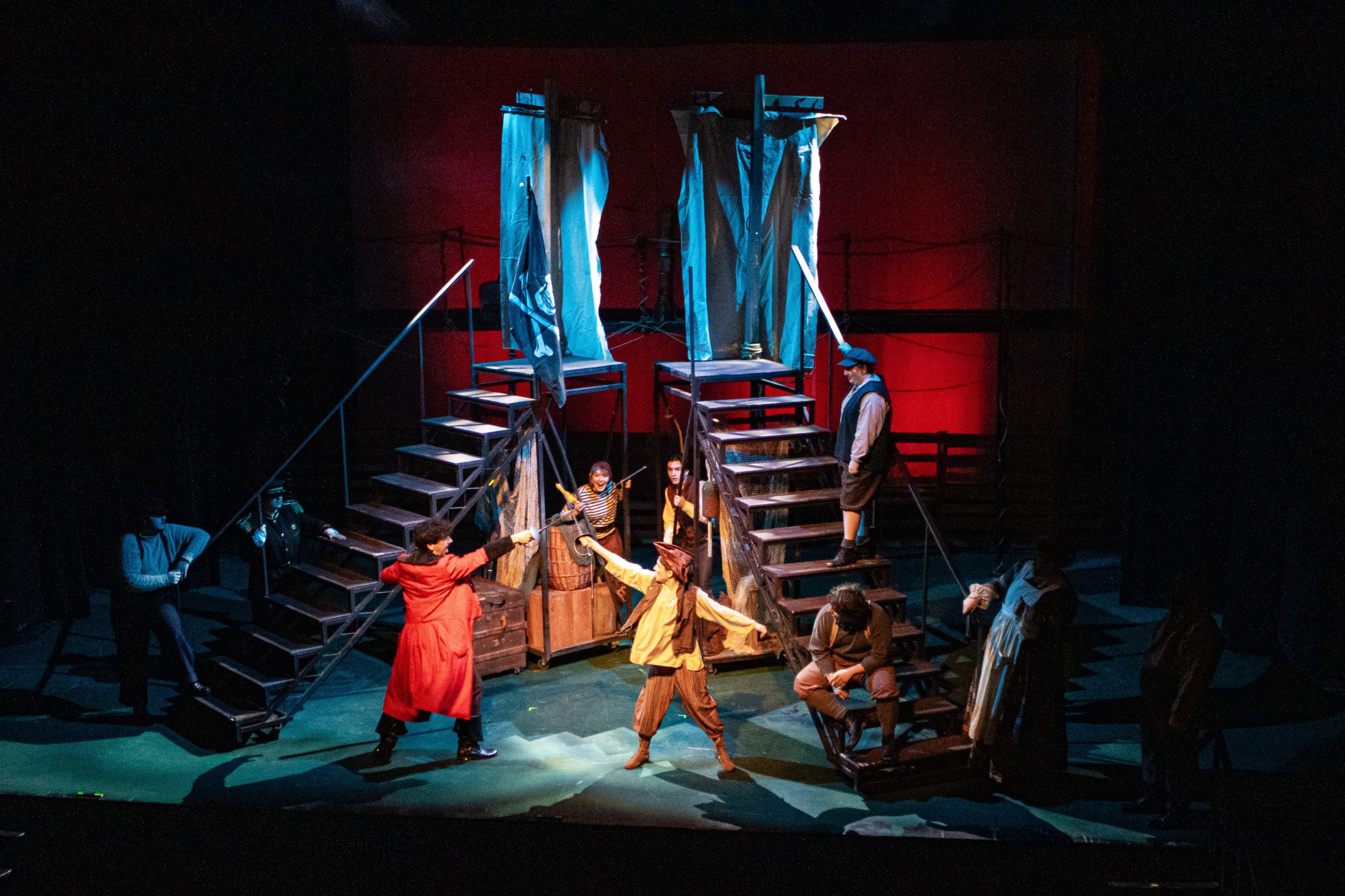
In small classes guided by Broadway-veteran faculty, arts leaders, and working actors, students explore all areas of theatre, from advanced performance to costume and set design, while building critical business skills and mind-body wellness. With a robust production schedule and a coming-soon capstone NYC senior showcase, graduates gain the resilient mindset and industry connections needed for lasting success, while enjoying the city of Troy’s historic, welcoming, and quirky-creative community.

Next-level degrees

Russell Sage will transition its Musical Theatre program to a prestigious Bachelor of Fine Arts (BFA) degree in 2026-2027*, offering the elite training you need to take center stage.

*Pending New York State Department of Education approval

Investing in the Arts

While Russell Sage is widely recognized for our broad catalog of healthcare programs, we believe a comprehensive education embraces the spectrum of human talent. That is why we are heavily investing in the future of the creative workforce.

Modern performance and practice spaces

Students learn in a range of professional spaces, including two theaters, a dance studio, a scene shop and a costume shop, with the college preparing to invest millions of dollars to expand performing arts spaces in coming years.

Fully Renovated Dance Studio in the Robison athletic and recreation center

We are investing several million dollars to transform our performing arts facilities, including a new dance studio coming fall 2026.

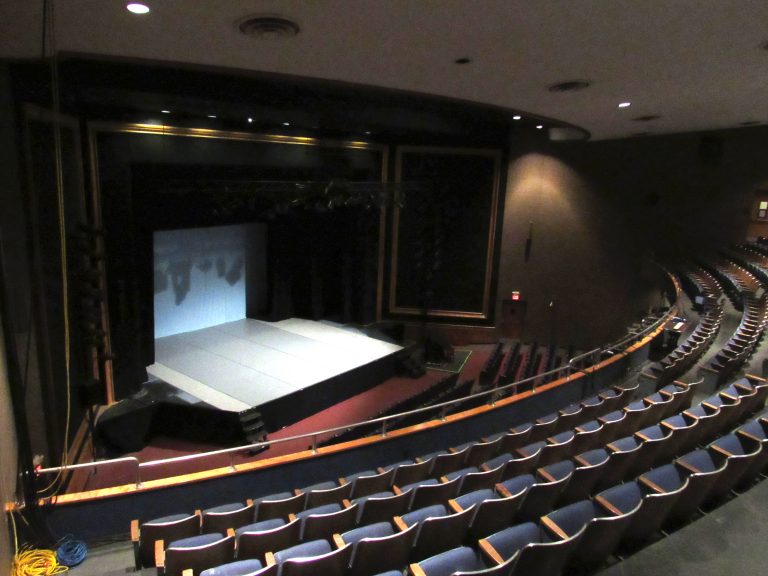
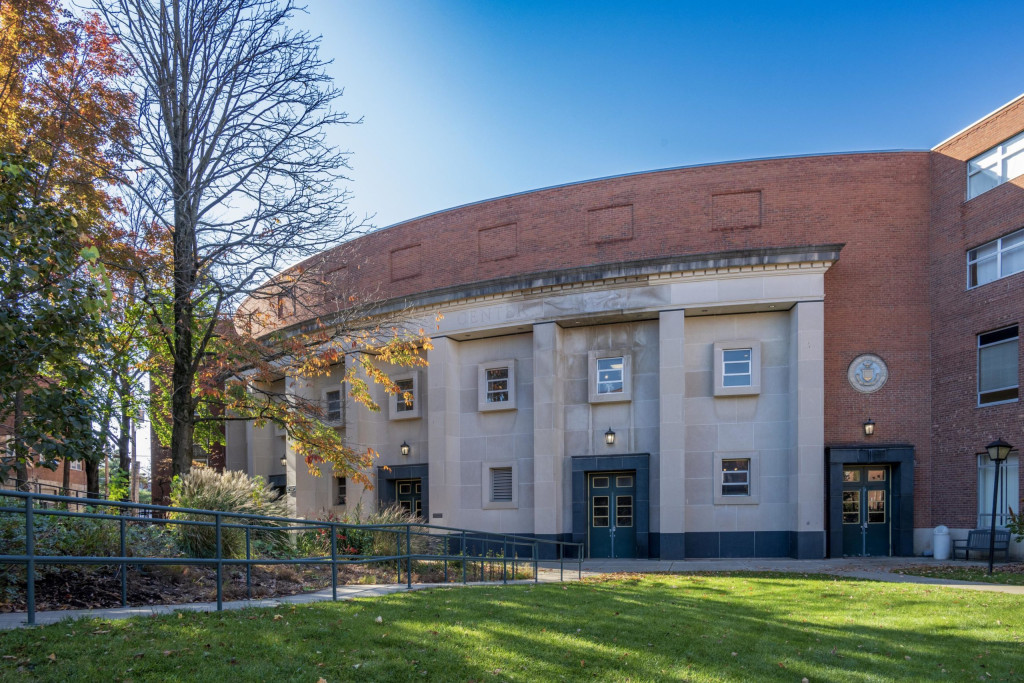
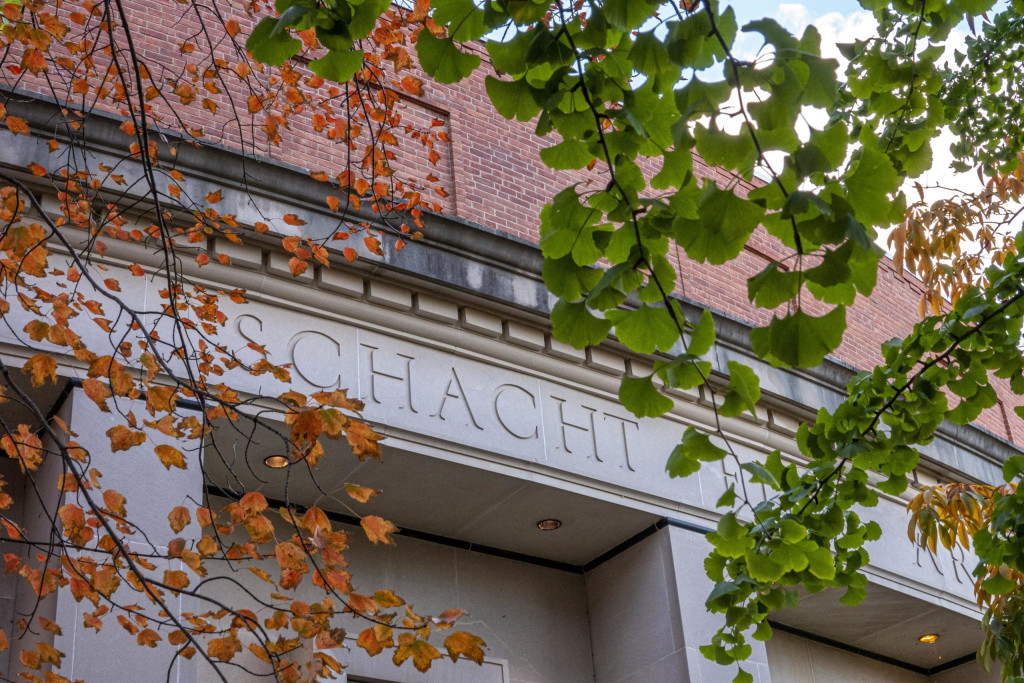
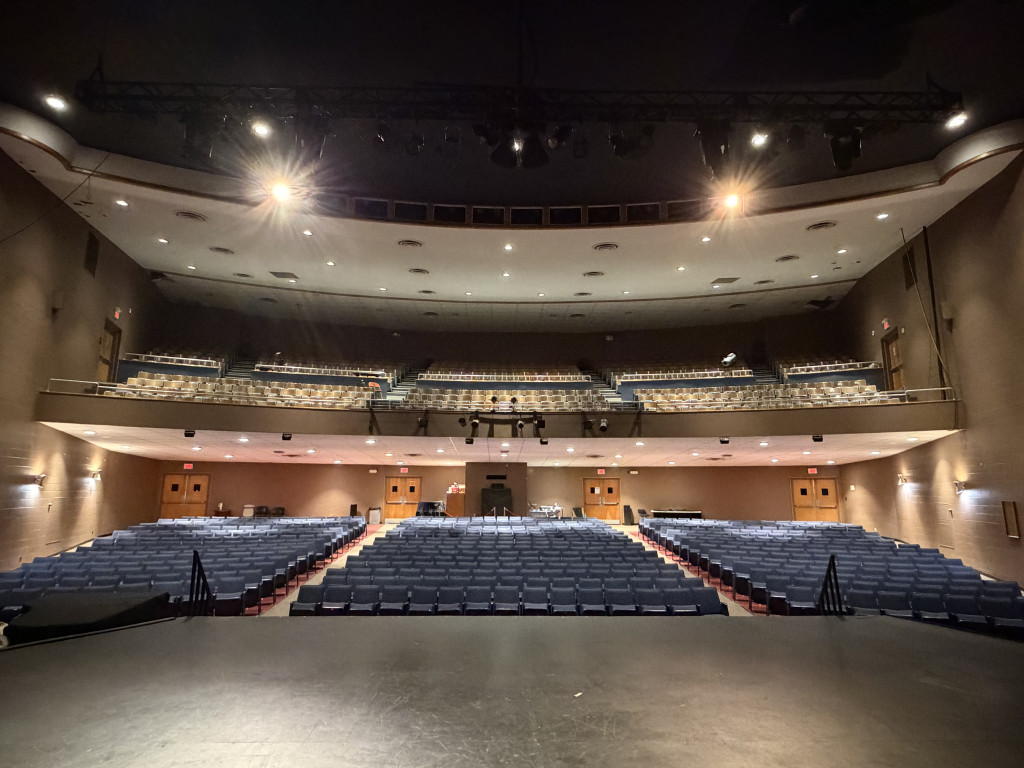
The Schacht Fine Arts Center Auditorium

includes a proscenium stage for large-scale productions, concerts, and performances. Schacht has 700 seats, plus rehearsal, classroom, and music practice spaces. 

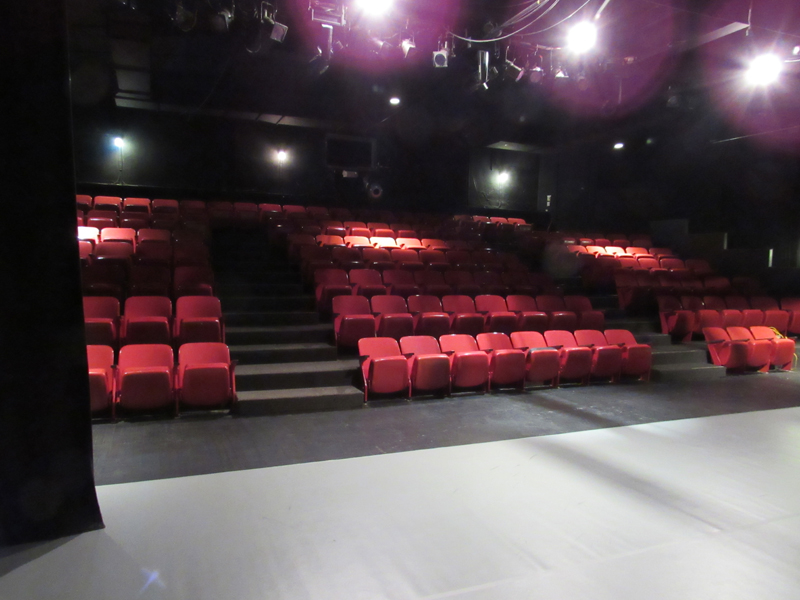
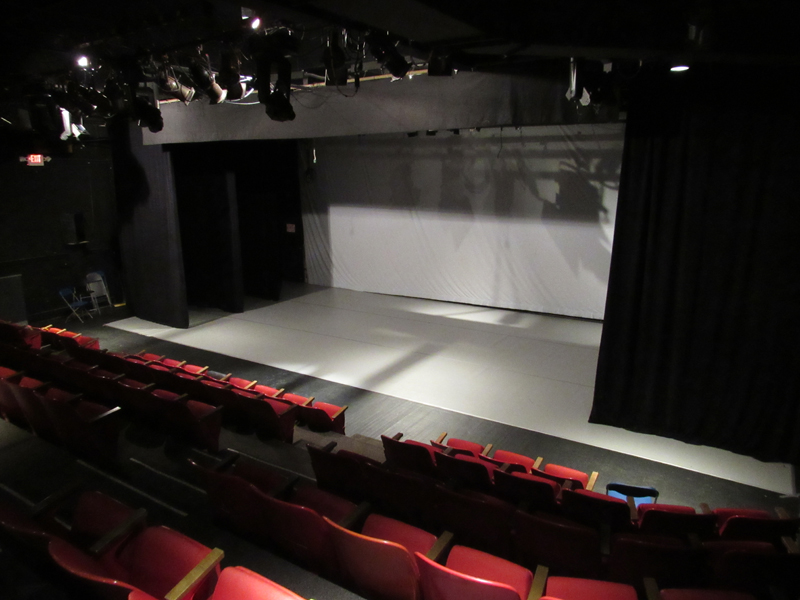
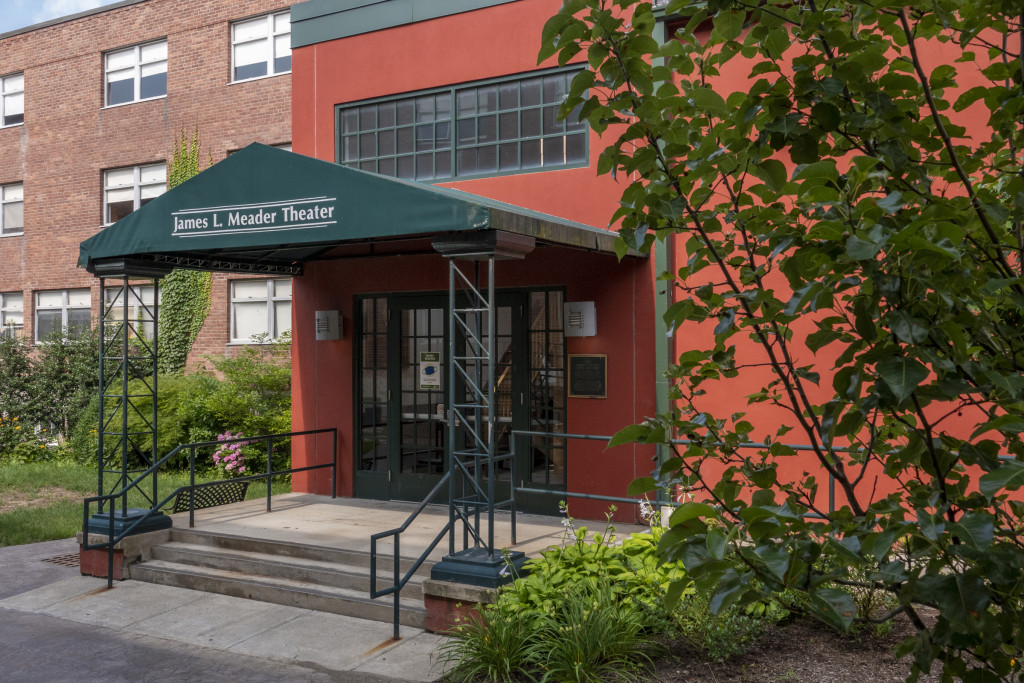
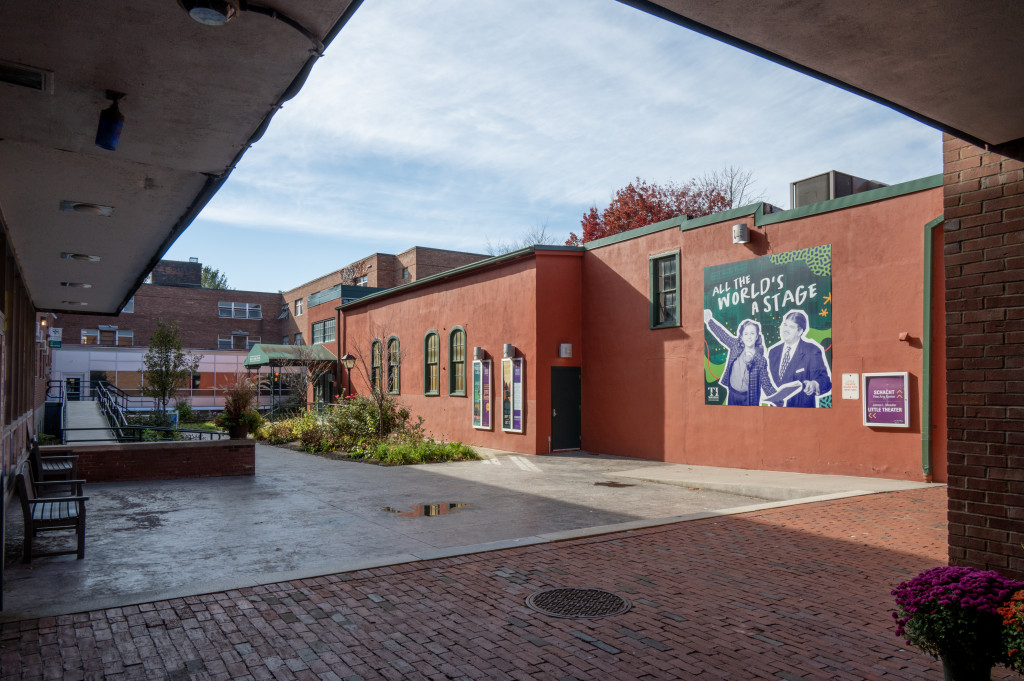
James L. Meader Little Theater

is an intimate, 130-seat theater with flexible black box staging configurations for smaller productions and experimental work.

Inspiration All Around You

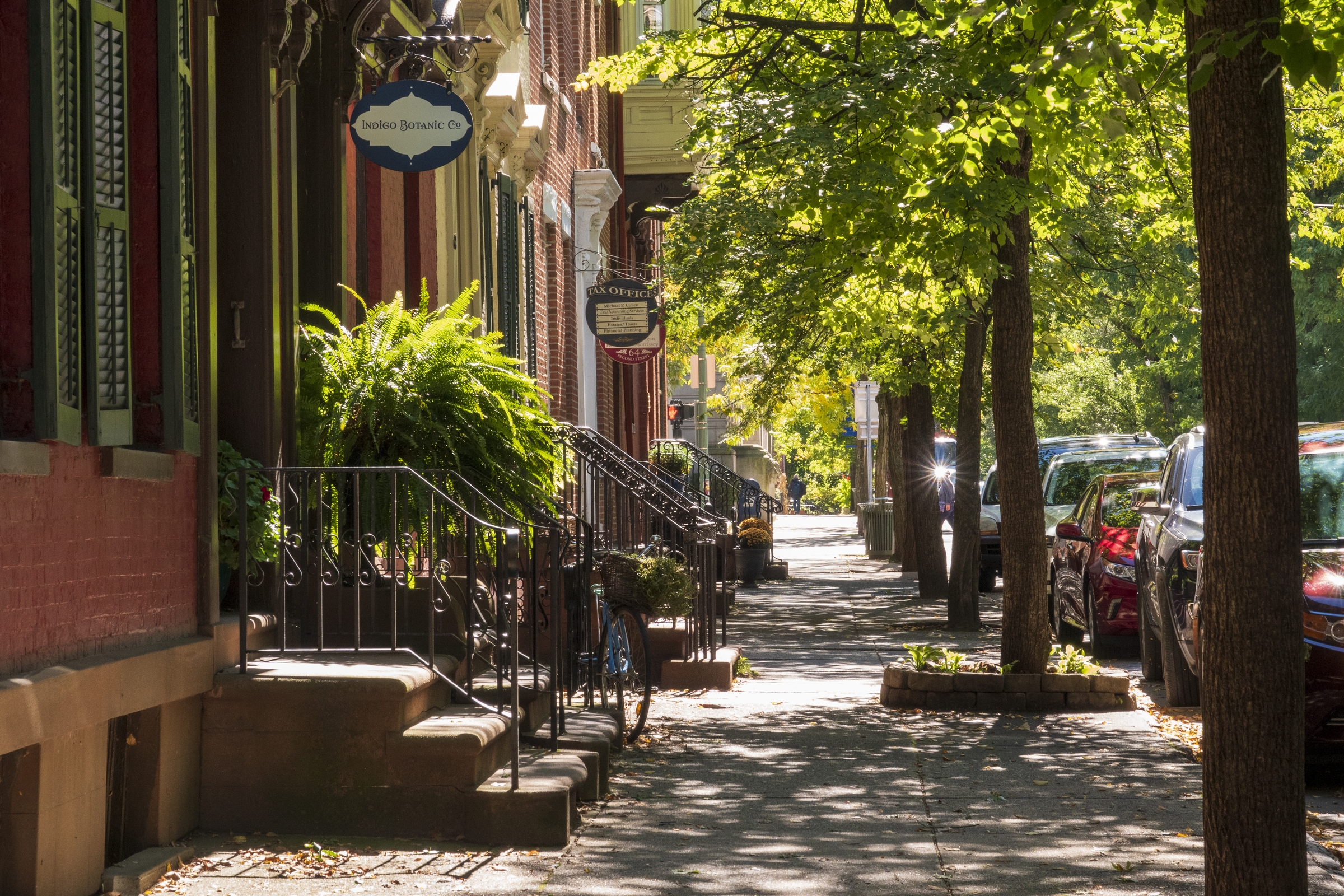
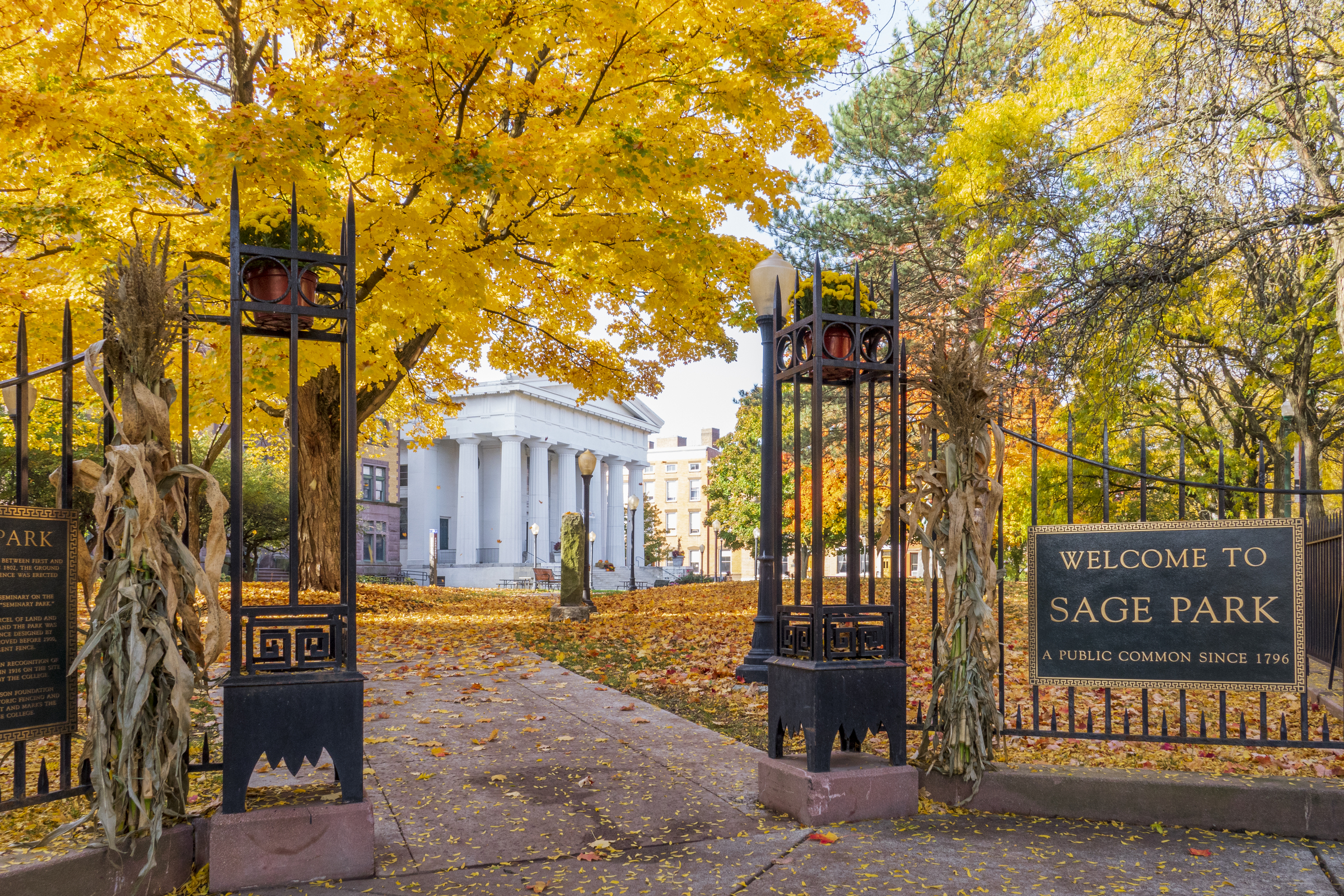
Artists need to work in inspired places, and the vibrant city surrounding Russell Sage’s Troy campus is the perfect setting.

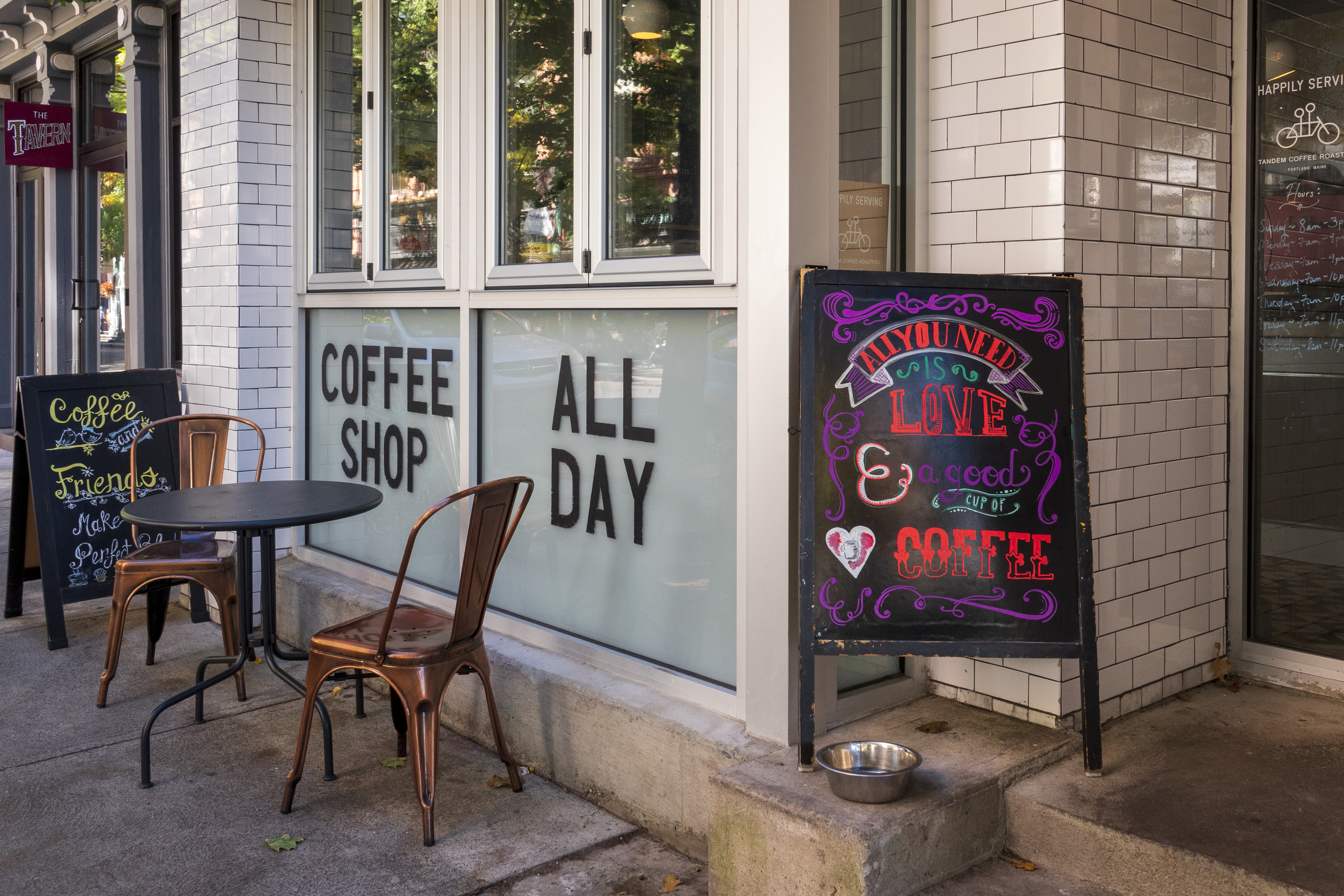
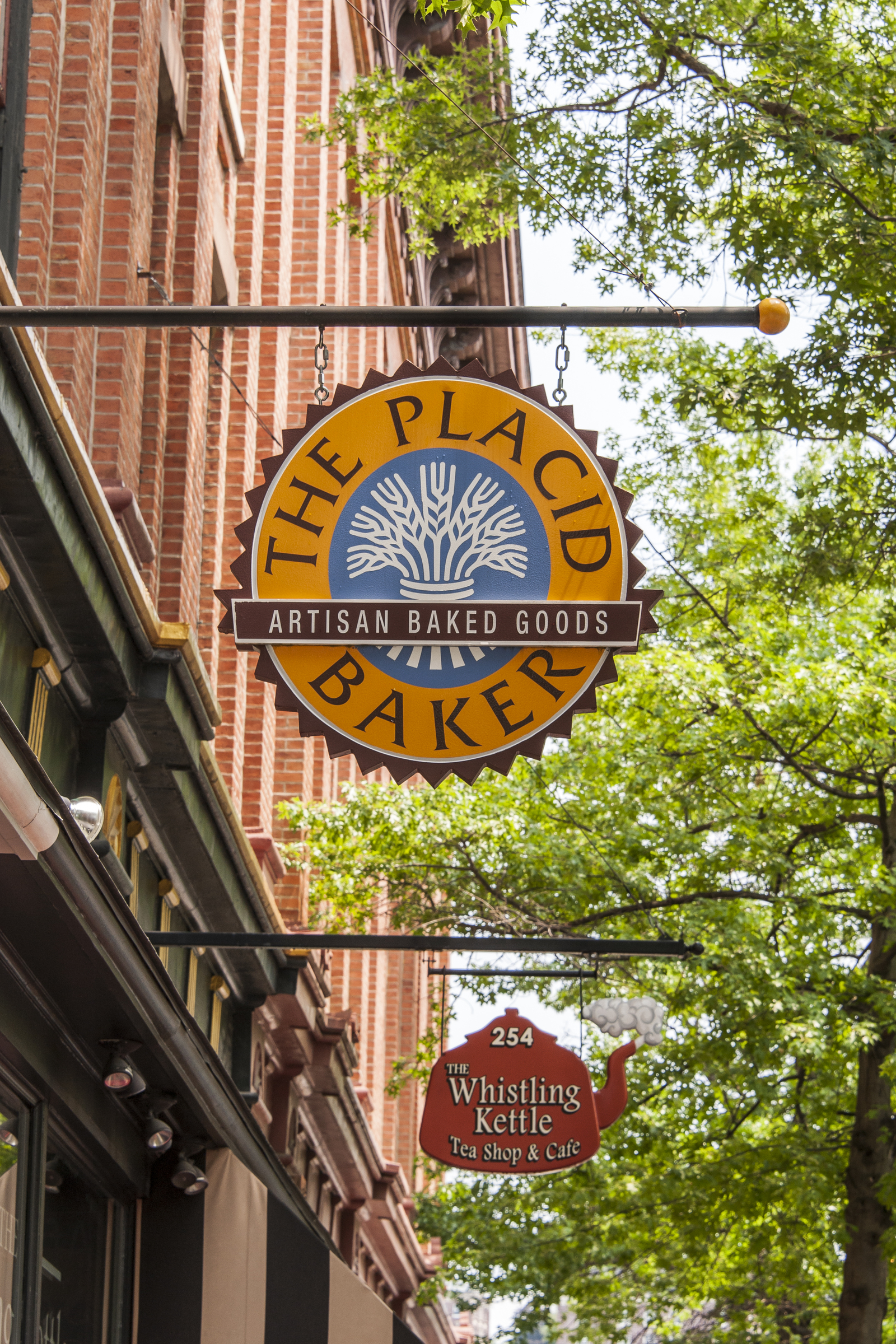
Hit up one of the many charming coffee shops for a morning boost after a hard night of rehearsals. Catch a show in Troy Music Hall down the street or grab a poke bowl around the corner with friends. People watch at the nationally recognized farmers’ market every Saturday morning. And you’re just a free Russell Sage shuttle ride away from the vibrant capital city of Albany, with even more to explore.

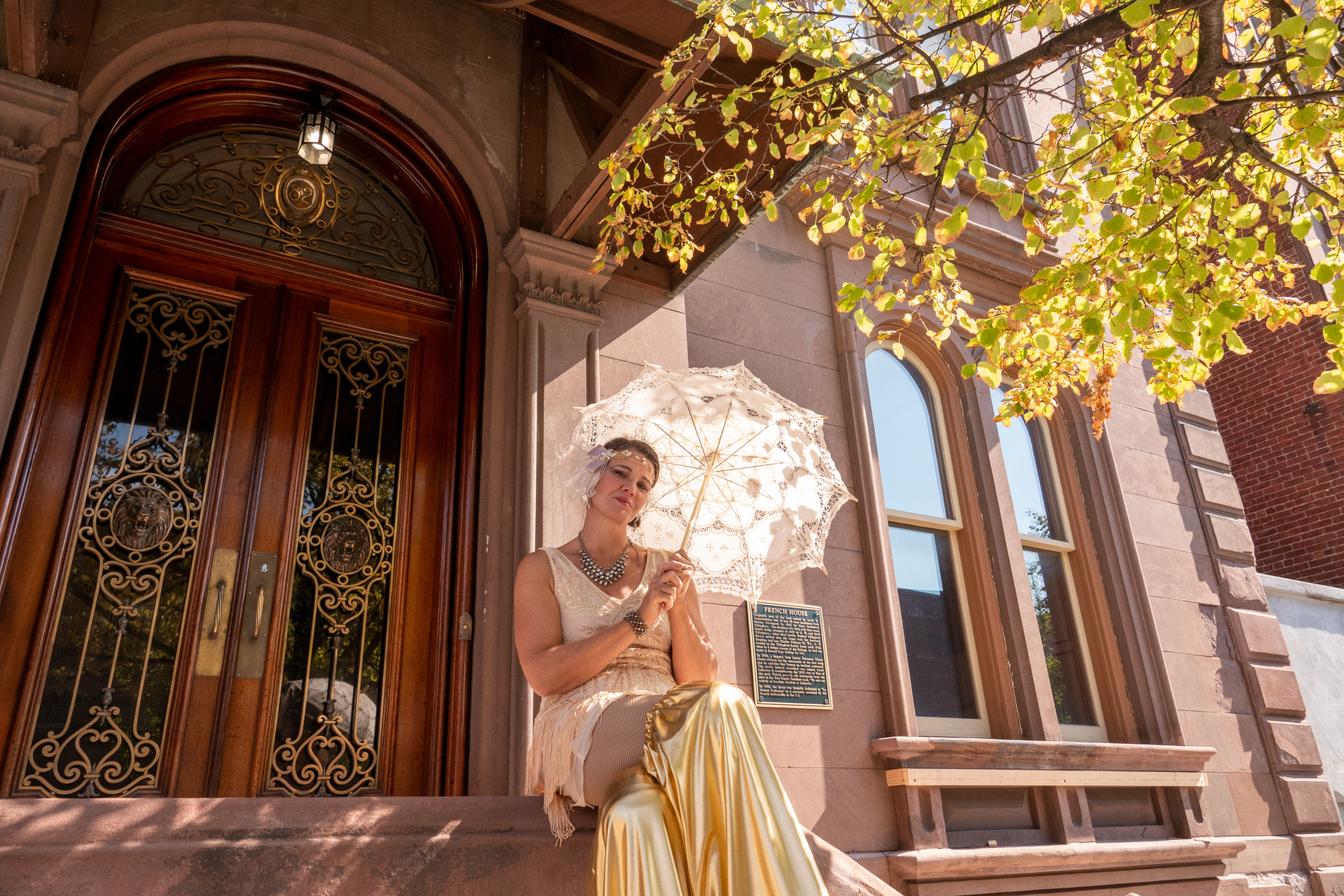
Students are also learning in a region that serves as a location for film and television production, including HBO’s The Gilded Age, which films on and around Russell Sage’s Troy campus.

Perform Your Way to a Musical Theatre Degree

BEST CLASS EVER: Join our students as they dive into the history of American theatre and discuss the impact of classic plays on their own performance techniques.

Personalized performance training

Small classes, close mentorship, and individualized attention help students build skills and confidence across acting, voice, and dance.

Consistent performance opportunities

Performing arts majors at Russell Sage College gain professional experience through the college’s resident theatre company and find even more opportunities thanks to the program’s connections with performing arts companies throughout upstate New York and western Massachusetts.

Coming Soon

Actor in historical costume with a black coat and beige waistcoat, standing in a dimly lit room with a candelabrum and red background.

Performance and Professional Experiences

Theatre Institute at Russell Sage

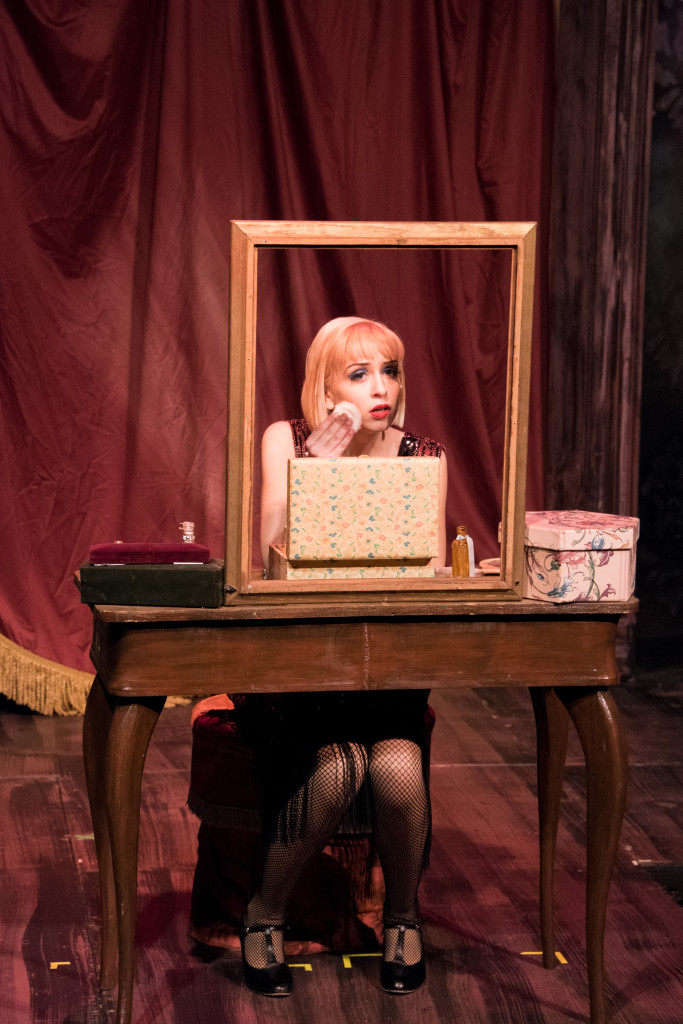
The Theatre Institute at Russell Sage is a professional theatre company on campus that brings live performances and educational programming to New York’s Capital Region, while giving Russell Sage students experience as performers, technicians, and teaching artists.

Looking for upcoming performances, showtimes, or box office tickets? Visit the Theatre Institute at Russell Sage.
Connections across the region’s theatre scene

Partnerships with nearby theatre companies

A partnership with Playhouse Stage Company includes a shared scene shop and gives students additional opportunities in set fabrication and working on technical crew.
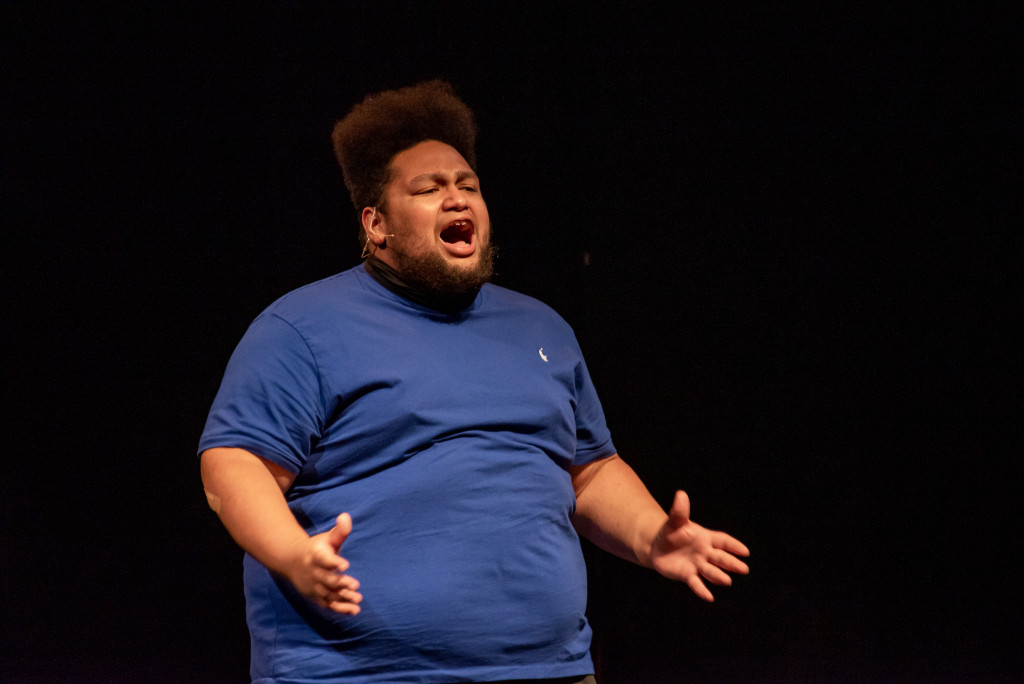
Broadway Bound

We’re just a 2½-hour train ride to New York City, so you can leverage the faculty’s industry connections in showcases with top industry professionals and enjoy visiting artists from Broadway and more. 

“I started to notice I was tapping into some of my theatre training off the stage. And once I realized that I was doing it, I kind of felt like I had a superpower that I should lean into.”

Brandon Hansen
Vice President of External Affairs at Baltimore Children & Youth Fund

Affordability, Admissions, and Transferring

A Personalized Admissions Process and an Affordable Future

We understand that cost and value are top concerns when choosing a college. That’s why we work with every student as an individual in the admission process – whether they’re a transfer student or a student coming to us straight out of high school.

What to Know:

  • Russell Sage prioritizes college access and affordability. We have been included on U.S. News and World Report’s Best Colleges for Social Mobility list for seven consecutive years.
  • 100% of incoming, full-time undergraduates at Russell Sage receive financial aid.
  • Transfer merit scholarships are generous compared to other colleges – starting at $19,000 a year.
  • In many cases, Russell Sage is more affordable than SUNY or other private schools.
  • We want to make every transfer students’ credits count, just one of the reasons we’ve been named to Phi Theta Kappa’s Transfer Honor Roll for six straight years.

Don’t forget! You have to fill out a Free Application for Federal Student Aid — or FAFSA — to receive a complete financial aid package from any college. 
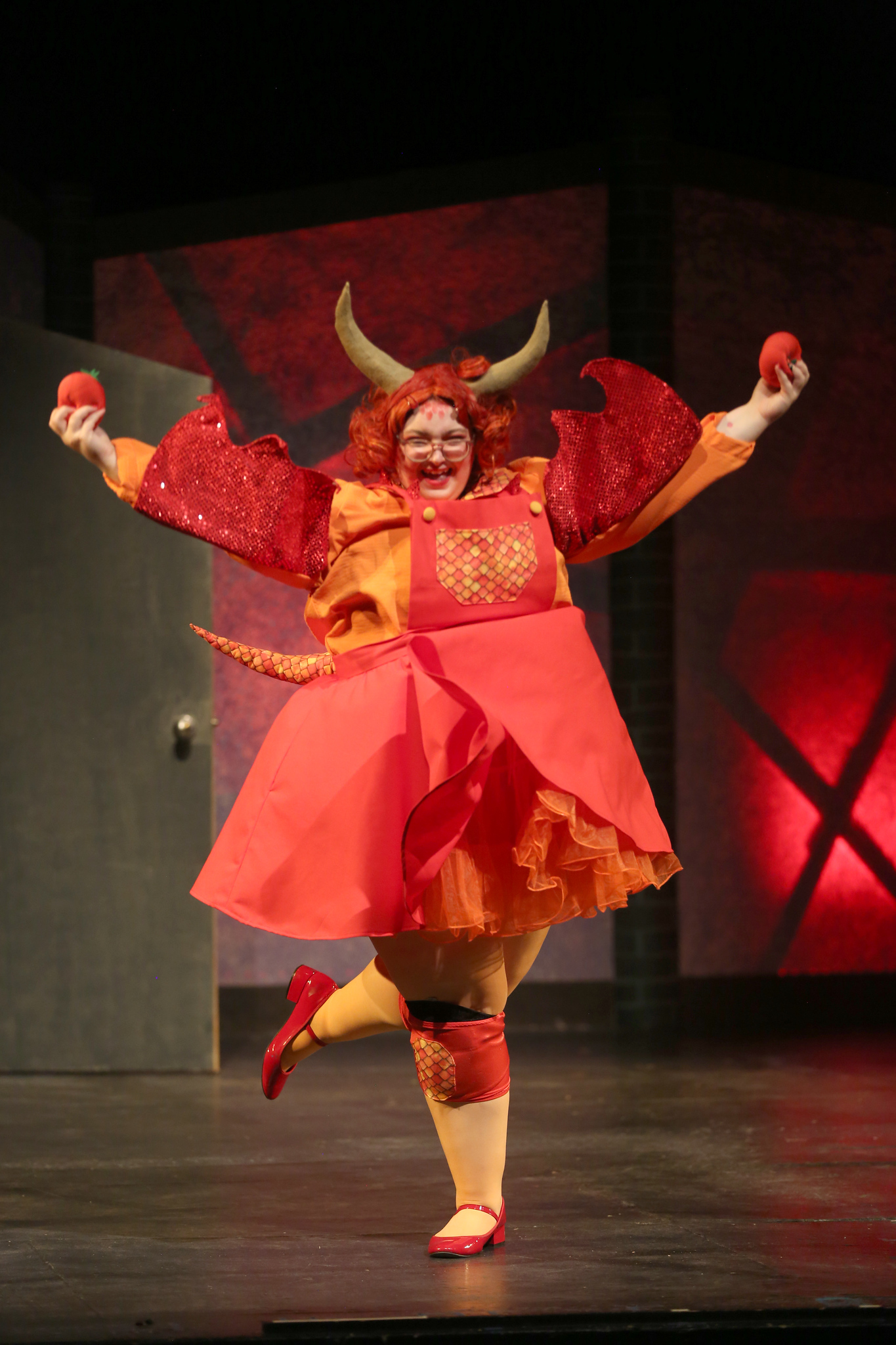
How to Apply

Still accepting applications for fall 2026

Contact Beth Carlin
Assistant Director of Undergraduate Enrollment Management

Application Timeline:

  • Your Admissions Application & PreScreen Submission should be submitted before your audition. We would like to review applications by November 15 at the latest. (You will be reminded to upload your prescreens 2 to 3 business days after your Admissions Application has been received.)
  • Apply to Russell Sage via the Common Application or Russell Sage Application
  • Film your Prescreen Submissions using the Prescreen Requirements below. Russell Sage is part of the Common Prescreen Requirements.
  • Your prescreen decision will be ready 3 to 4 weeks after you submit. The decision will be pass or not pass.
  • If you pass your prescreen:
    • Register for your audition via your Russell Sage application portal.
    • If you do not pass your prescreen:
      • You will be contacted by the Office of Admission to discuss options. You are still eligible for non-audition opportunities at the College.
  • Audition Requirements:
    • Sing your best voice forward. You may sing the same songs from your prescreen video or choose a different song. Be prepared to sing one of your songs or a pop or contemporary song.
    • Please prepare the same monologue from your prescreen video.
    • For off-campus and virtual auditions, provide a recorded track or accompaniment for your selections. More information will be provided after you register for your audition.
    • For live virtual auditions, upload your artistic resume and headshot to your Russell Sage Application portal. For all other auditions, bring a physical copy.

Prescreen Requirements:

Russell Sage College is a participant in the Musical Theater Common Prescreen for the 2026-2027 cycle. MTCP has included helpful hints for the 2026-2027 Audition Cycle. We strongly encourage you to use these guidelines, which experts from multiple programs nationwide have crafted to support your audition.

General Information and Tips

  • Film and upload each piece as a separate media file. No continuous videos.
  • Students are encouraged to use standard technology and recording devices available to them, such as smartphones and tablets.
  • Solid-colored walls are ideal, but any background that does not distract from your performance is desired.
  • Ensure your space has adequate lighting. A lamp or window directly behind you will cast a shadow over your face. Keep the light behind your recording device or to your side so your face is lit.
  • When using pre-recorded music, place the speaker closer to you than to the recording device. Your voice and music will reach the microphone more evenly.
  • Before filming, do a trial run to test your audio and visual presentation. Review your video to make sure everything looks and sounds okay.
  • Ensure the camera portion of your device is at eye level. You can use a tripod for a smartphone or tablet. If you do not have a tripod, use a stack of books on a desk or box. Filming in landscape is recommended.

Prescreen Introduction (“SLATE”) Video

  • Record one introduction slate video stating your name. If you would like to include your pronouns, state them as well. Speak loudly and clearly directly at the camera. This gives the auditors a sense of your personality and helps them learn how to pronounce your name.
  • There is no need to slate your individual performance videos and pieces. Instead, clearly label each video with your name and the title of the piece you are performing.
  • This slate video should be no longer than 10 seconds.

Labeling Guidelines for ALL Videos

  • Label each video file with the piece you are performing, the show or playwright, and your first and last name.
    • Title of Song – Musical/Show – Your First & Last Name
    • Title of Play – Playwright – Your First & Last Name
  • Examples:
    • Slate – Patti Lupone
    • Tulsa ‘67 – The Outsiders – Brody Grant
    • Romeo and Juliette – William Shakespeare – Eve Noblezada

Time Guidelines for All Performance Videos

  • All song, monologue, dance, ballet, and wild card videos are recommended to be between 60 and 90 seconds each.

Framing for Slates, Songs, and Monologues

  • Camera framing is the placement and position of the actor in the shot. We recommend a waist-up frame so we can see your face and hear you clearly.

Framing for Dance and Ballet

  • We recommend a setup that lets us see you from the top of your head to the floor.
  • We want to see your whole body throughout the dance. Before submitting, watch the video to make sure you stayed in frame and that the camera was close enough to capture movement details.
  • If it helps you see yourself, place a full-length mirror behind the filming device, and remember that the camera is your audience.

​Songs Requirements

Option B

  • One musical theater song from any time period.
  • One song of your choice from any time period and in any style that best suits you. This song should contrast the style of the first selection.

Song Tips:

  • Examples of contrasting songs include fast versus slow tempo, sustained melodic singing versus speech-like singing, dramatic versus comedic, and belt versus head or falsetto mix.
  • Many accompaniment tracks are available on YouTube and other websites. If you do not have a live accompanist or access to a recorded track, consider using an app that plays the piano part for you. Harmony Helper is one such app.

Monologues Requirements

Option A

  • One monologue from a published play or written by a professional writer.
    • A professional writer is someone whose plays have been produced, but may not have been professionally published.

Monologue Tips:

  • Choose monologues that are age-appropriate and feel authentic to your culture, background, and lived experience.
  • Active monologues are often better for auditions. An active monologue happens in real time, focuses on what you want, and puts you in direct communication with an imaginary scene partner. This is often more successful than pieces that tell a story or are a remembrance. It can also help to avoid monologues that rely on extreme emotions.

Dance Requirements

Option B

  • Show us your best version of dancing or moving.

Dance Tips:

  • Make sure you can execute the choreography well. Choose steps and movements that highlight your strengths instead of your weaknesses.
  • You may use recent videos of yourself from a show or concert, but you must be the only person in the frame.
  • The dance sample should be in the style you feel most confident in, including jazz, ballet, tap, modern, hip-hop, lyrical, contemporary, and other styles beyond American and Euro-Western traditions.
  • Dance media can be self-choreographed, but it must be a solo video of you. It can include a show, competition, or other performance as long as you are clearly featured on your own.
  • Use steps, movement, and physical vocabulary that you know well and can execute well. Move your body fully to the best of your ability.

Ballet Requirements

Option B

  • Ballet Optional

Optional Wild Card Video

Think of the wild card section as a chance to show your personality or share something about yourself. This media can be anything you want, such as a special skill, an interesting story, a passion speech, or an instrument you play. Below are ideas that have been successful in the past:

  • Singing or playing an original composition, song, poem, or choreographed dance.
  • Performing your own Saturday Night Live-style skit where you create a comedic character.
  • Sharing a hobby or activity that means something to you.
  • Performing in a language other than English in which you are fluent.
  • Playing an instrument.
  • Making a “how-to” video on something you are good at: baking, calligraphy, gymnastics.
  • If you are a dancer and want to show us a different style you excel in, such as tap, hip hop, lyrical, or ballet, include it here.

What Can I Do with a Musical Theatre Degree? – 
Careers and Alumni Outcomes

Careers with a Musical Theatre Degree

Performance Careers:

Work as an actor, singer, dancer, or other performance capacity in theatre and entertainment companies, like regional theatre, summer stock, cruise lines, and commercial entertainment.

Design and Production:

Work behind the scenes in stage management, lighting, sound, costume, scenic construction, and production coordination.

Arts Administration:

Pursue leadership positions in arts education, nonprofit arts organizations, theatre administration, and community arts programming. Russell Sage alumni have gone on to leadership roles in arts organizations such as Baltimore Center Stage and Woolly Mammoth Theatre Company, where they apply their theatre training in new ways every day.

Person with braided hair and large earrings smiles at the camera, wearing a purple top. Background shows a blurred outdoor pathway with greenery.

“I’ve been blessed to have an incredible career in theatre, with some TV and film work sprinkled in … I’m still going and growing in this profession I love!”
Check out Danielle

Danielle Lee Greaves ’88
Original Broadway casts of Hairspray and Show Boat; touring productions of Parade and The Lion King, voice of Barbara Schternvart in Grand Theft Auto: San Andreas
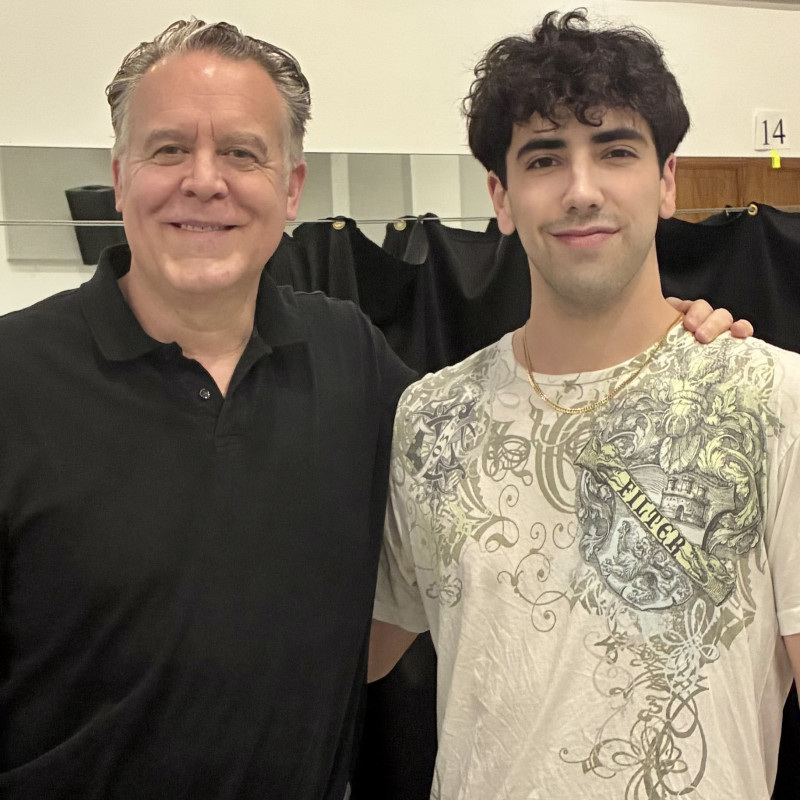
Two men standing together in a studio space

“It’s a very small college, so I get to work very closely with professors and directors alike, which is a rare thing in musical theatre programs that are massive.”

Check out Aidan

Aidan Echeandia ’28
named Central New York’s “Best Performer in a Musical (Professional)” by BroadwayWorld for Broadway Upstate’s production of American Idiot

Hear from Bridgerton’s Lucas Aurelio ’18 on why you should join the Performing Arts programs at Russell Sage.

Learn from Our Experienced Faculty

Personal advising, experienced faculty

Our Musical Theatre program faculty are professionals with years of experience. Small class sizes and a 10:1 student-to-professor ratio ensure that you always get one-on-one attention.

Michael Musial

Michael A. Musial, M.M.

Edith McCrae Professor of Fine Arts, Professor of Music, Managing Director, Theatre Institute at Russell Sage

A talented pianist with music directing credits including Candide, Children of Eden, The Secret Garden, A Chorus Line, Into the Woods and Sweeney Todd, he’ll help you find your voice on stage.
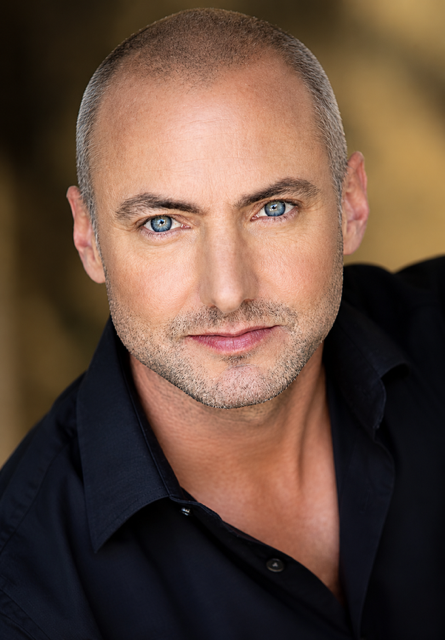
Robin Lewis

Associate Professor of Musical Theatre

A 12-year Broadway veteran, director, and choreographer who leverages his elite industry connections to provide holistic mentorship – transitioning the next generation of talent to Broadway and national stages.

David A. Baecker, MFA

Professor of Theatre

A member of the Actors’ Equity Association, he’s directed with Theater Voices, Saratoga Shakespeare Company, the Santa Fe Theatre Festival, and at the New York Fringe Festival and collaborated in the UK with a disability activist on a new play, “Let Right Be Done.”
picture of person wearing a black shirt and looking at the camera.

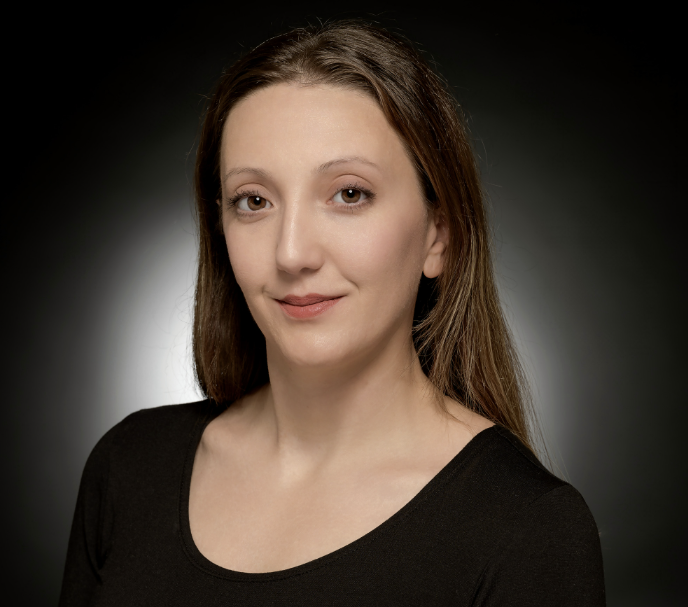
Sara Senecal

Instructor of Dance

A professional dancer and arts in education coordinator with the Ellen Sinopoli Dance Company, her choreographic work has been showcased at The Egg in Albany, The Poet’s Den Theater in Harlem, Byrdcliffe Theater in Woodstock, and Carrier Theater in Syracuse.
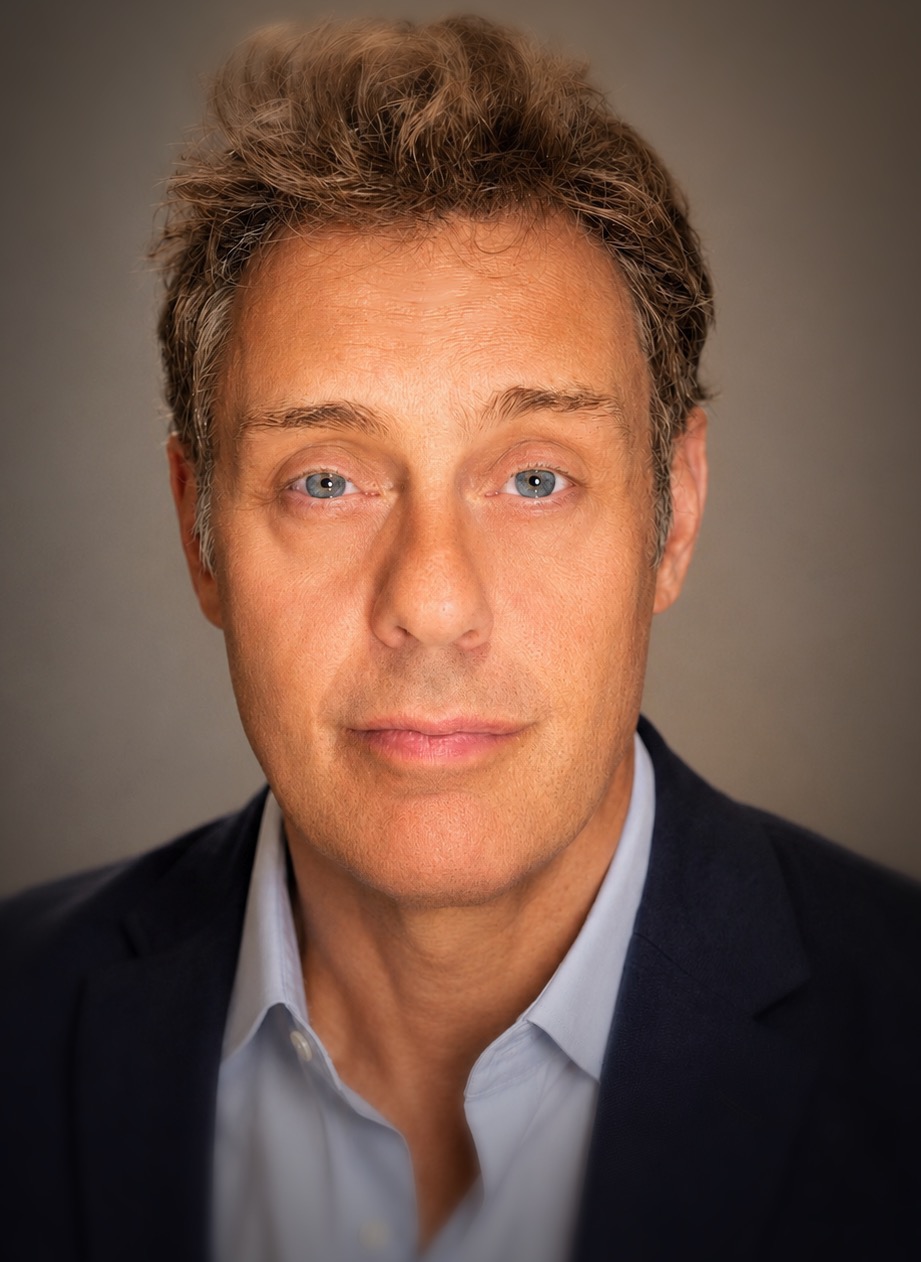
Todd Dellinger

Associate Professor of Arts and Entertainment Management

As an experienced arts leader and entrepreneur with a distinguished background that includes working with the legendary Martha Graham Dance Company & School, Dellinger ensures artists are prepared for the business of the business.

Frequently
Asked Questions – 
Musical Theatre at Russell Sage

Yes! Russell Sage College welcomes transfer students into the Musical Theatre program. The college has also been recognized on Phi Theta Kappa’s Transfer Honor Roll for six consecutive years for its strong transfer pathways.

Russell Sage is currently looking at seeking New York State Education Department and other regulatory approvals to change this degree program to a BFA program.

Your audition helps us get to know you — your training, your interests, and your strengths as a performer. Please prepare the following materials:

  • Two contrasting two-minute memorized monologues (one classical and one contemporary) from standard dramatic literature
  • Two songs — one uptempo and one ballad (an accompanist will be provided; please bring sheet music.)

Please contact Michael Musial at musiam@sage.edu to schedule your audition.

No. Auditions may be completed in person or online, depending on what works best for you.

As a Musical Theatre major at Russell Sage, you’ll take classes in acting, singing, dance, music, and theatre production designed to refine and expand your skills as you build a performance résumé. Your coursework will include acting and scene study, musicianship, musical theatre studies, ballet, jazz, tap, and modern dance, theatre history, stagecraft, and performance studio work. You’ll also complete acting practicums, semester juries, and an internship as part of the program, while regularly performing with the college’s on-campus professional company, the Theatre Institute at Sage, as well as with nearby companies.

Yes! As a Musical Theatre major, you can pair your degree with a minor in another discipline. If you have interests in arts administration as well as performing, you might consider a Business Administration minor. If you’re interested in using the dramatic arts to help others express themselves and support well-being, an Expressive Arts and Mental Health minor may be a strong fit. Russell Sage College offers 25 minors across the arts and humanities, education, health sciences, and business disciplines, giving you plenty of ways to shape your studies around your interests.

Ready to break a leg?

Got questions or need a hand? We are happy to help you get started!
Contact Admission

Beth Carlin
Assistant Director of Undergraduate Enrollment Management

Take the Next Step

It's time to take the next step. Choose yours below.