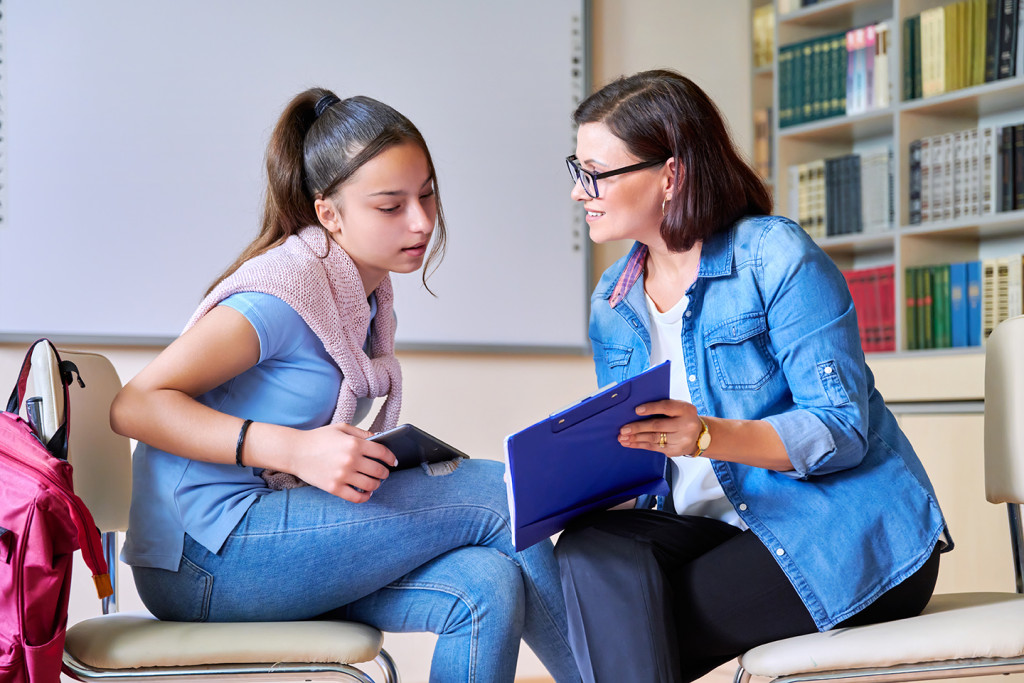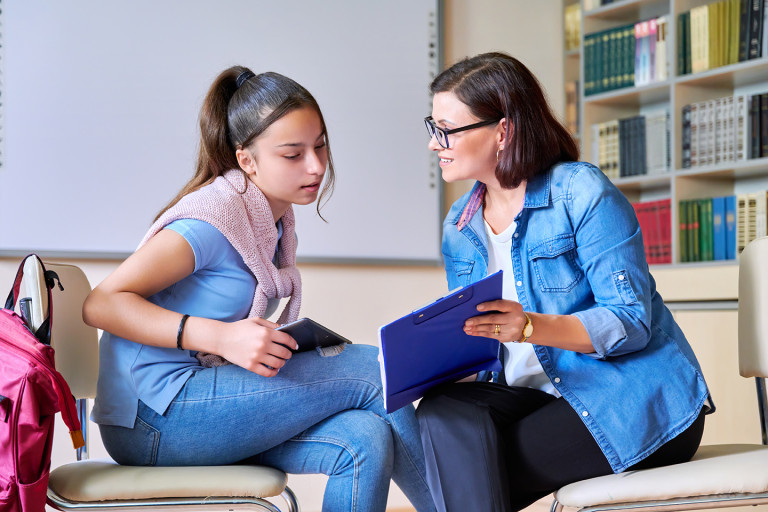
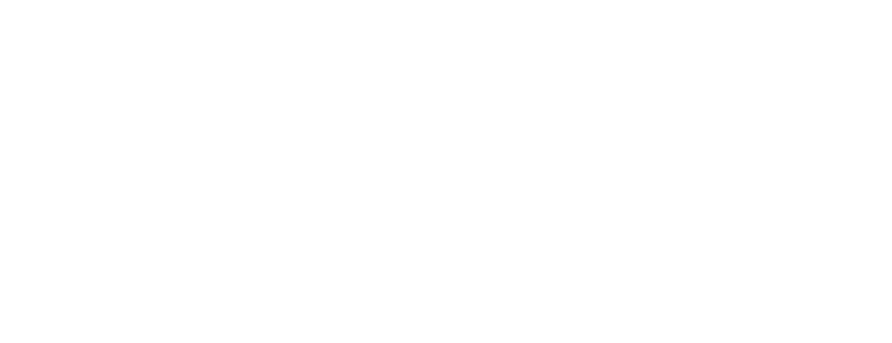
A teenager and an adult sitting and talking in a classroom with books in the background

Change Lives with a Master’s or Advanced Certificate in School Counseling

Build your skills in the areas of human growth and development, social and cultural foundations, helping relationships and career development.

Specialties in our School Counseling master’s program

Learn to design and deliver developmentally appropriate activities and services directly to students (classroom lessons, small group lessons, and individual counseling) or indirectly for students (via consultation, collaboration, and referrals).

Our graduate programs in school counseling are accredited by the Association for Advancing Quality in Educator Preparation (AAQEP).

The only master’s program in Professional School Counseling in the Capital Region, we have a longstanding reputation for producing some of the best counselors in the field, including the 2023 New York State Counselor of the Year, who teaches in our program.

Professors are professional school counselors with advanced credentials who are active members of the American School Counseling Association. You’ll benefit from course content that is current and focused on best practices.

Program Tracks

There are several different tracks within our School Counseling program, including:

  • Official transcripts from all post-secondary institutions attended
  • One letter of recommendation
  • A 1- to 2-page career goals essay: We want to hear your voice. Russell Sage College values authenticity, critical thinking, and personal expression. We ask that all application essays be written solely by the applicant with only ethical use of AI technology, such as tools that support but do not generate content.

The Power in Positive Ed

Well-being matters, and today’s students and teachers need the tools to manage today’s world. 

That’s why Russell Sage College became the first college in the nation to partner with The Center for Positive Education. Each student in the Esteves School of Education graduates with training in Positive Education, and Russell Sage will extend the training to the greater education community with professional development opportunities.

Program Objectives

  • Help elementary/secondary students gain understanding of their social, intellectual and emotional development
  • Be knowledgeable about educational, occupational, and social opportunities
  • Have decision-making and planning skills
  • Communicate effectively with school personnel, parents and particularly with students, about issues that facilitate or inhibit personal planning, self-esteem, achievement, and choice

You’ll work collaboratively with other students in the educational counseling master’s and certificate programs. Courses include instruction, hands-on learning and opportunities to practice your counseling skills.

The program includes a 100-hour practicum and a 600-hour internship experience. Both include a seminar class, which allows students to collaborate and consult with faculty and each other.

“Our master’s in school counseling and certificate in school counseling has been the gold standard in the area for many years … You’re getting the education, the reputation, and the network that comes with Russell Sage College.”
Peter Stapleton, Ph.D., Chair, Professional Education Programs

Careers with a Master’s in School Counseling

Alumni of Sage’s school counseling programs are guidance counselors at public and private schools and education programs throughout New York state.

Recent graduates work as a post-secondary counselor at a private school in New York City; as elementary school counselors and a career education coordinator and College Board coordinator at public schools in the Albany area; and as an education services specialist for the National Guard.

Frequently Asked Questions – Master of School Counseling

The Professional School Counseling (PSC) Master of Science program provides students with the requisite graduate-level courses to qualify for initial and professional certification as school counselors in New York State. Students in the program can choose from the following:

  • 60-credit Professional School Counseling Generalist Curriculum, which prepares graduates for both initial and professional certification
  • 48-credit Professional School Counseling track, which prepares graduates for initial certification
  • 12-credit Professional School Counseling certificate, which prepares graduates who already have initial certification for professional certification

In New York, school counselors are certified through the New York State Education Department (NYSED) Office of the Professions. School counselors may apply for initial certification, which is valid for up to five years, upon successful completion of 48 hours of graduate studies and supervised internships. Completing a total of 60 credit hours, the requirements of a master’s degree, and two years of professional experience are required to qualify for professional certification.

The most in-demand skills for modern school counselors include cultural awareness, organizational and assessment skills, and strong interpersonal communication skills that can be applied to interactions with students, administration, faculty, and families.

According to the American School Counselor Association (ASCA),[1] three core behavior categories can help define a school counselor’s success. The categories include:

  • Professional skills
  • Student services
  • Planning and assessment

The most in-demand skills are going to be those that directly align with these counseling competencies. For instance, without establishing the foundation provided by a professional counseling degree, it will be impossible for a counselor to practice and strengthen the more qualitative skill sets, such as communication, which are required for delivering excellent services to students and their families. Another article published in the Journal of Professional School Counseling indicates that in the 21st century, school counselors will be “taking on leadership roles within the schools and working systemically to help all students succeed,” indicating that professional relationships as well as leadership skills will continue to grow in importance.[2]


School counseling is evolving with increasing mental health needs in K-12 settings, which means that school counselors need to be prepared to apply their knowledge and training to support students’ social and emotional needs as they arise. An article in the journal Professional School Counseling notes, “The COVID-19 pandemic and the shift to online learning exacerbated the mental health needs of children and adolescents,” and “School counselors are uniquely positioned to promote social/emotional wellness beyond the academic core due to their training and professional standards.”

In the Russell Sage Master of School Counseling program, a core learning objective focuses on helping students gain understanding of their social, intellectual, and emotional development. As the first line of defense, school counselors are uniquely positioned to recognize social and emotional challenges and recommend next steps for issues that may relate directly or indirectly to academic performance and school scenarios.

Master of School Counseling students at Sage complete both a 100-hour practicum and 600-hour internship experience as part of their degree program.

After completing a pre-practicum course, students begin the practicum experience, completing 40 hours of direct service with individual students and groups. School Counseling master’s candidates are under the direct supervision of faculty, including both individual and group supervision sessions. Completing a practicum successfully is a prerequisite for internship placements.

During the internship, school counseling students are placed in public school environments for one semester on a full-time basis or one full year on a part-time basis. Interns work under the direct supervision of an experienced school counselor and participate in the entire range of activities and functions of a school counselor.

Both practicum and internship experiences take place in local school districts, based on availability and convenience of the supervising counselors.

Yes, graduates of the Master of School Counseling degree program can ultimately transition into roles in college counseling, student success initiatives, or educational consulting. According to the Bureau of Labor Statistics (BLS), the demand for school and career counselors and advisors is expected to grow by 4% between 2024 and 2034, which is about as fast as average for all professions.[1]

Student success coaching is an excellent career option for those with school counseling experience who want to explore other jobs. Student success coaches often work at colleges or universities with new students, ensuring that students have the tools they need to meet their academic goals. Experience as a school counselor can prepare student success coaches to work closely with students and develop evidence-based plans to assist them.

The title of Educational Consultant is broad and may apply to many different jobs. Graduates of master’s programs in school counseling may be well suited to consulting work that helps students and their families identify colleges and submit competitive applications for their programs of choice.


Take the Next Step

It's time to take the next step. Choose yours below.