

Information for
Helpful Links
Public universities will tell tales about avoiding “crushing college debt,” but the U.S. Department of Education’s College Scorecard says otherwise. The College Scorecard reports the typical debt after graduation for a nearby SUNY is $19,500 vs. $22,000 at Russell Sage.
At Russell Sage, the typical graduate’s total debt is only about $2,500 more than a nearby SUNY. That’s less than the cost of a reliable used car’s first year of payments — for a lifetime of personal and professional benefits.
A car loses value the moment you drive it off the lot. A Russell Sage degree gains value every year.

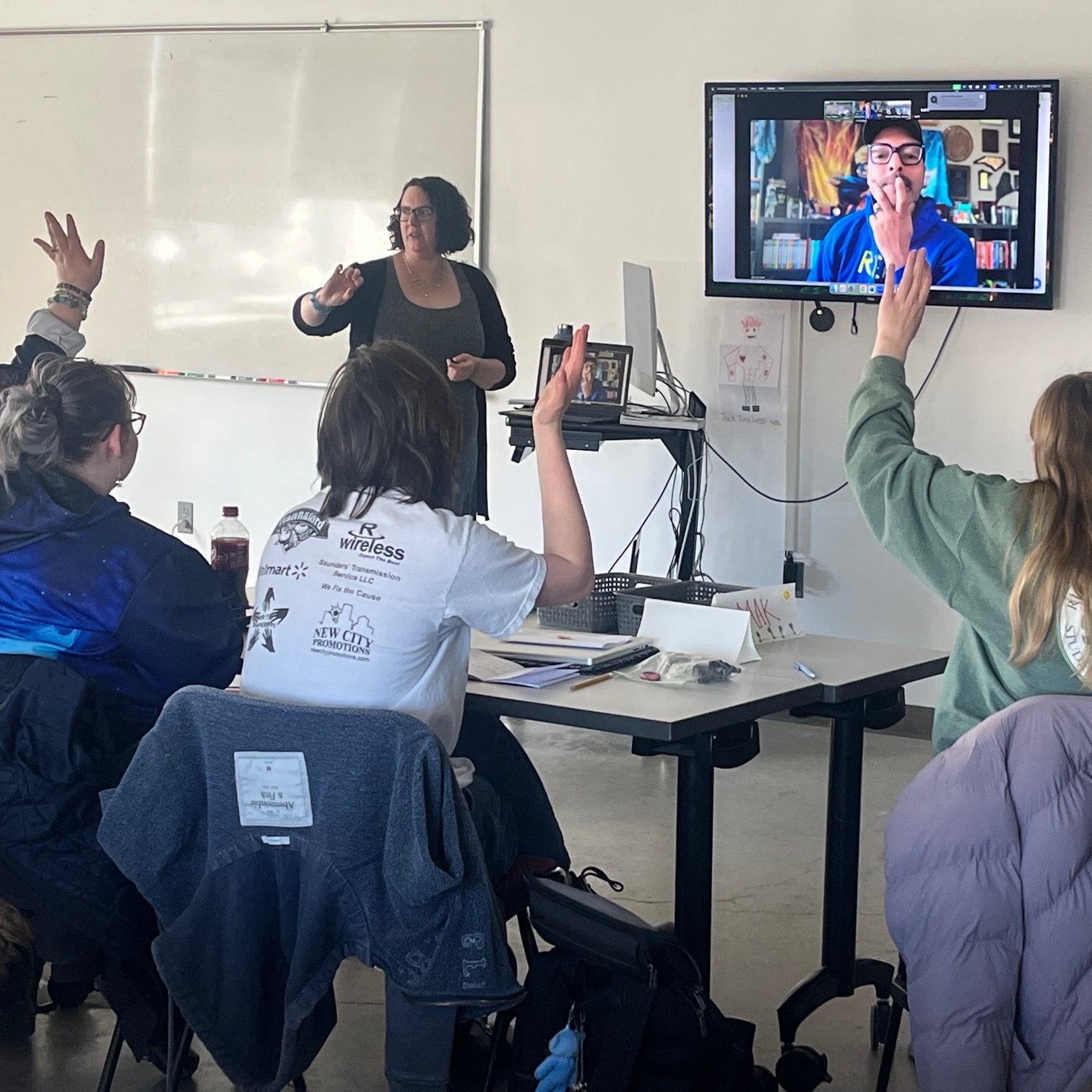
Only Cornell, University of Rochester, and Binghamton ranked higher.
At Russell Sage, 100% of incoming full-time undergraduate students receive institutional, federal, or state financial aid.
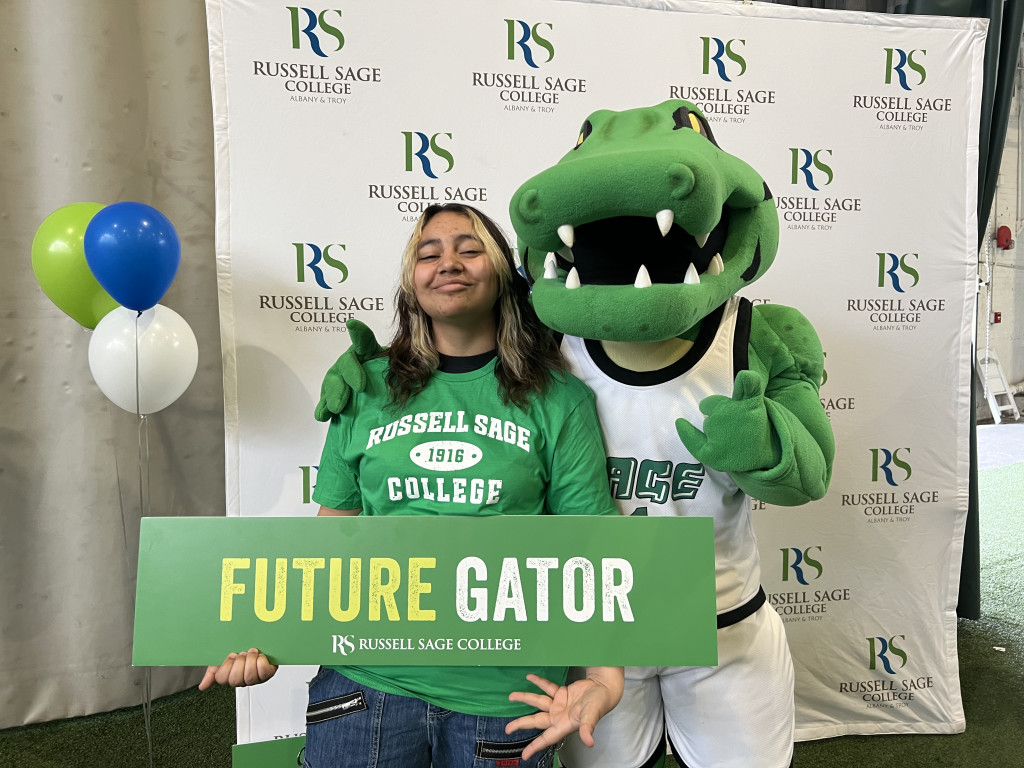
Is the math mathing yet? Your time, your comfort, and your access to support are part of the value equation.

College closures have made students and their families nervous about the stability of higher education. When you’re assessing the financial health of a college, there are signs to look for. We offer tips for how to know if a college is at risk of closing.
A community college might sound like a great starting place if you’re an art student or aspiring teacher, but without careful planning, we’ve found transfer students sometimes don’t have the courses they need to finish a BFA program or meet state teaching degree requirements, and end up spending more time in school to earn their bachelor’s.
Community college can be a great option, but if you’re thinking of a certain four-year school as your transfer destination, be sure to connect early so you can get additional advising throughout your community college years.
That’s a few thousand dollars more — for smaller classes, personalized support, deeper alumni networks, and stronger outcomes.
| Institution | Avg. annual cost | Median debt after graduation |
|---|---|---|
| Russell Sage | $23,027 | $22,000 |
| SUNY A | $18,486 | $19,500 |
| SUNY B | $18,481 | $18,750 |
| SUNY C | $18,883 | $19,812 |
| AVERAGE of 3 SUNYs | $18,617 | $19,354 |
| Extra investment for more value RSC vs. SUNY | $4,410 | $2,646 |
Source: College Scorecard
A small difference up front. A lifetime of return.
Private colleges like Russell Sage produce many of the region’s most in-demand healthcare and education professionals. Our alumni networks and employer partnerships run deep:

And for seven consecutive years, U.S. News & World Report has ranked Russell Sage among the top 25 national universities for social mobility — proof that our students see real returns.

Households headed by someone with a bachelor’s degree earned a median of $132,700 — more than double those with only a high school diploma.

The average salary for our graduates? $71,415, based on data from 91% of the class — not a small sample. (Tip: Always be sure to ask about knowledge rates when you see career outcome stats.)

Undergraduate Admission
Tell us a little about yourself and your academic interests and we'll be sure to follow-up with you shortly. Thank you for your interest in Russell Sage College!
Tell us a little about yourself and your academic interests and we'll be sure to follow-up with you shortly. Thank you for your interest in Russell Sage College!
Tell us a little about yourself and your academic interests and we'll be sure to follow-up with you shortly. Thank you for your interest in Russell Sage College!