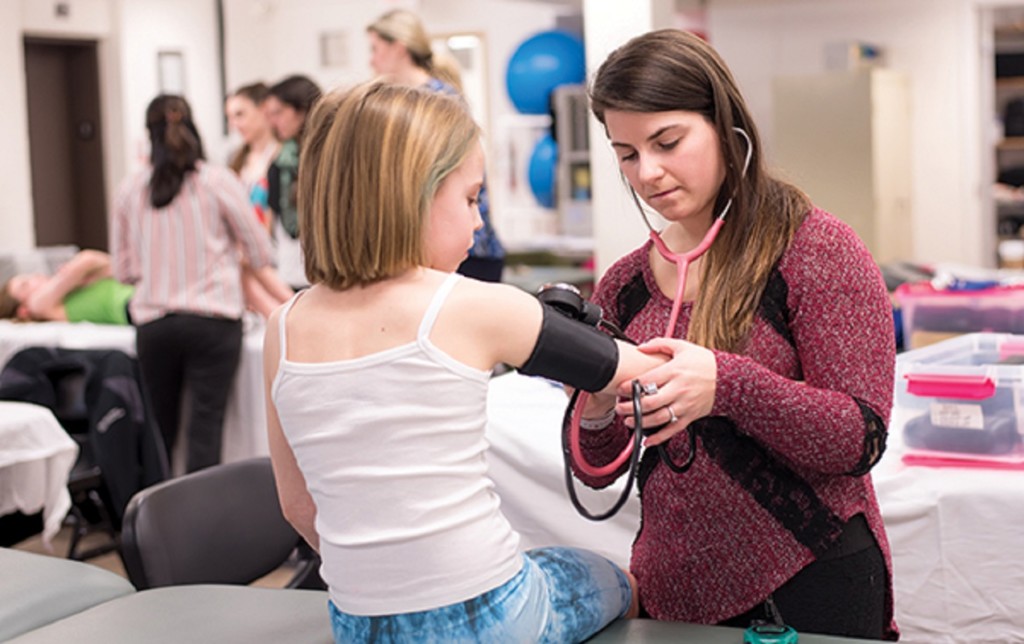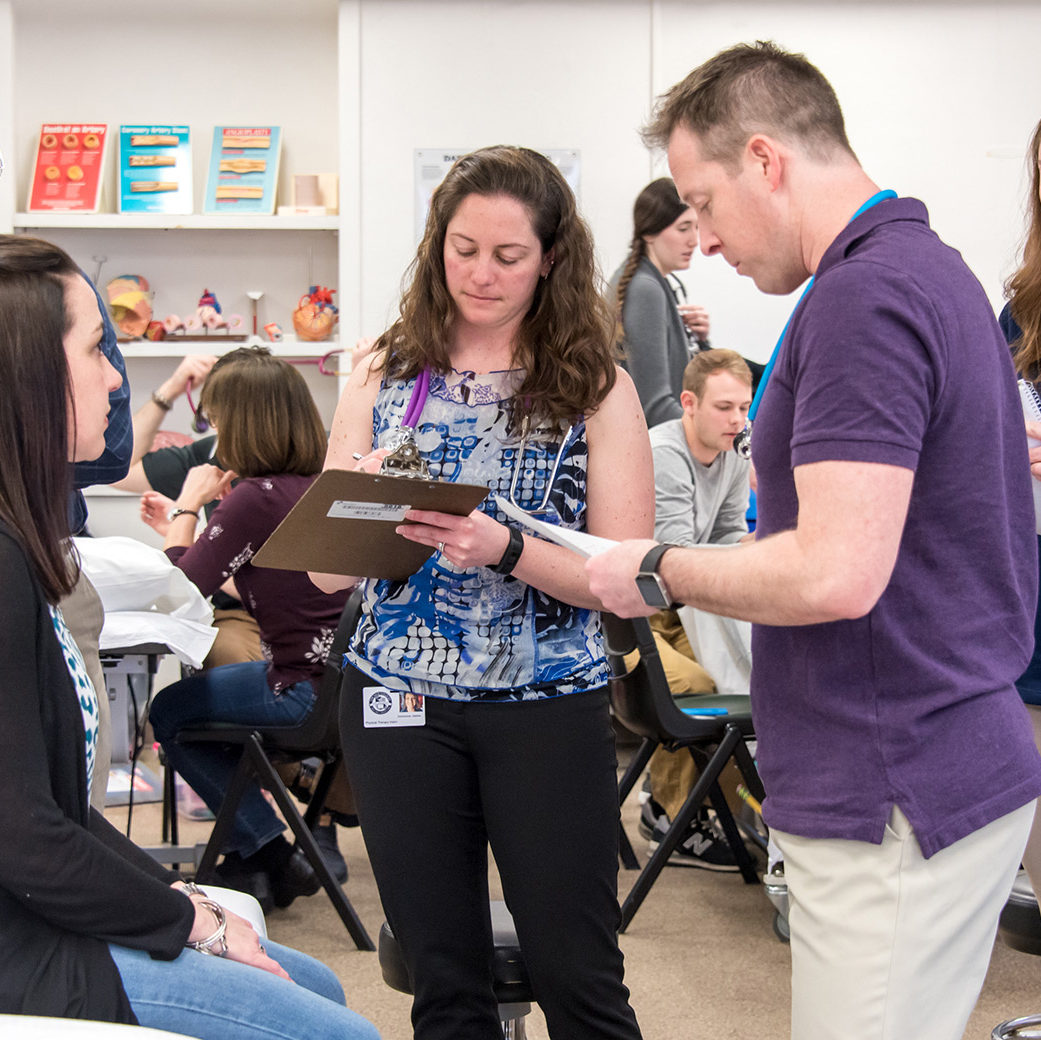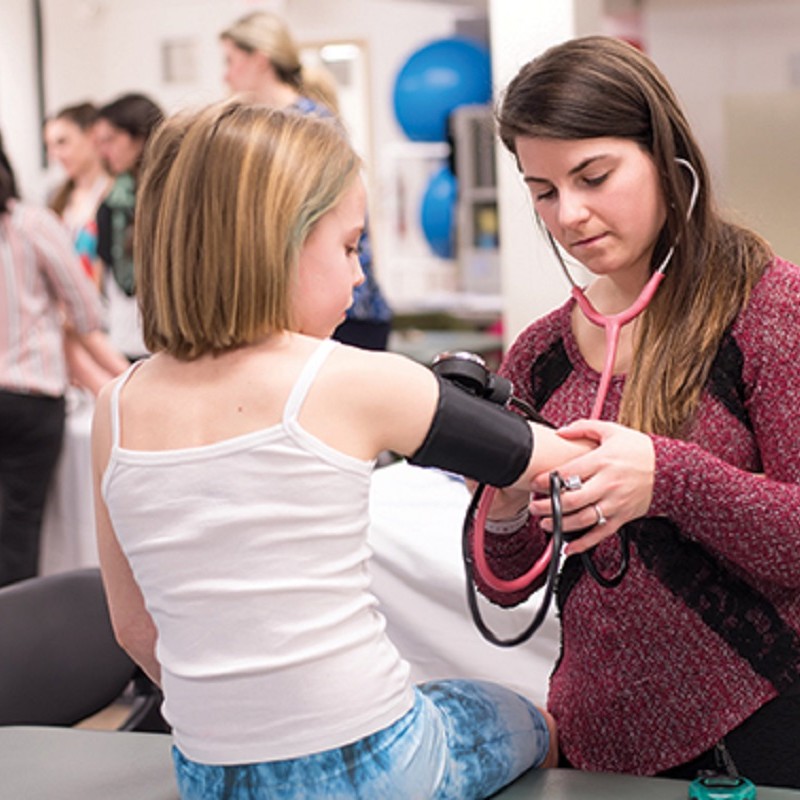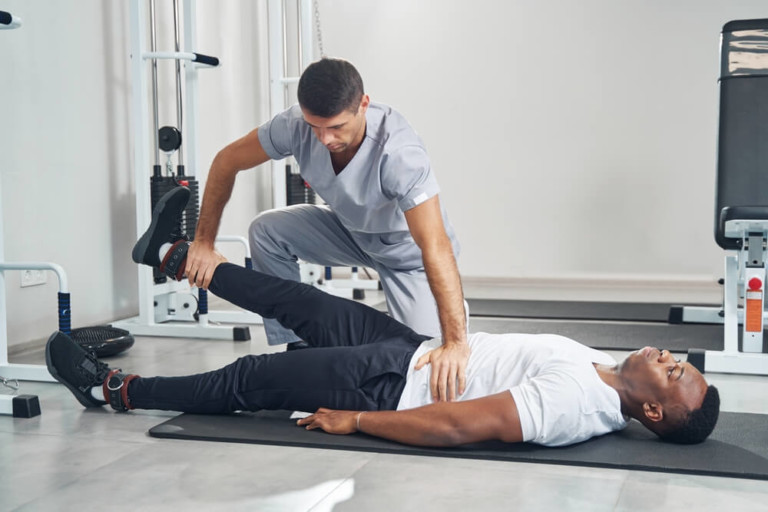

Physical Therapy class taking SOHS arm blood pressure

Become a Physical Therapist

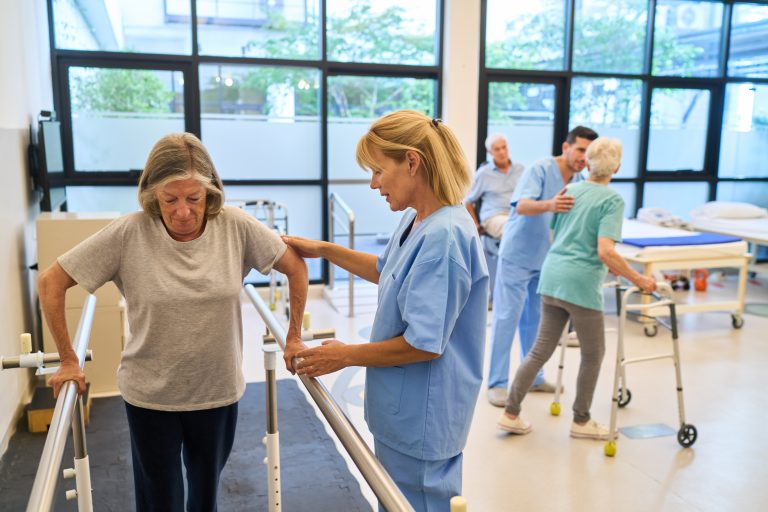
Physical therapists work with individuals who are recovering from an illness, injury, or other physical limitations. With a doctorate in Physical Therapy, you’ll help patients to build their physical ability and mobility and to improve their quality of life.

Specialties in our DPT program

Find all of these program distinctions at an institution recognized for its Health Sciences programs, giving you lots of interaction with other health care fields, which you will ultimately engage with as a professional who make a difference in your community.

Our DPT program tuition is one of the most affordable in New York state.

There is real camaraderie among faculty and students, beginning your first day and extending through the extra support available as you prepare for the national licensing exam.

Our faculty members are practicing clinicians, and several have certifications in areas including strength and conditioning, orthopedics, functional movement, wound care, and pediatric disabilities.

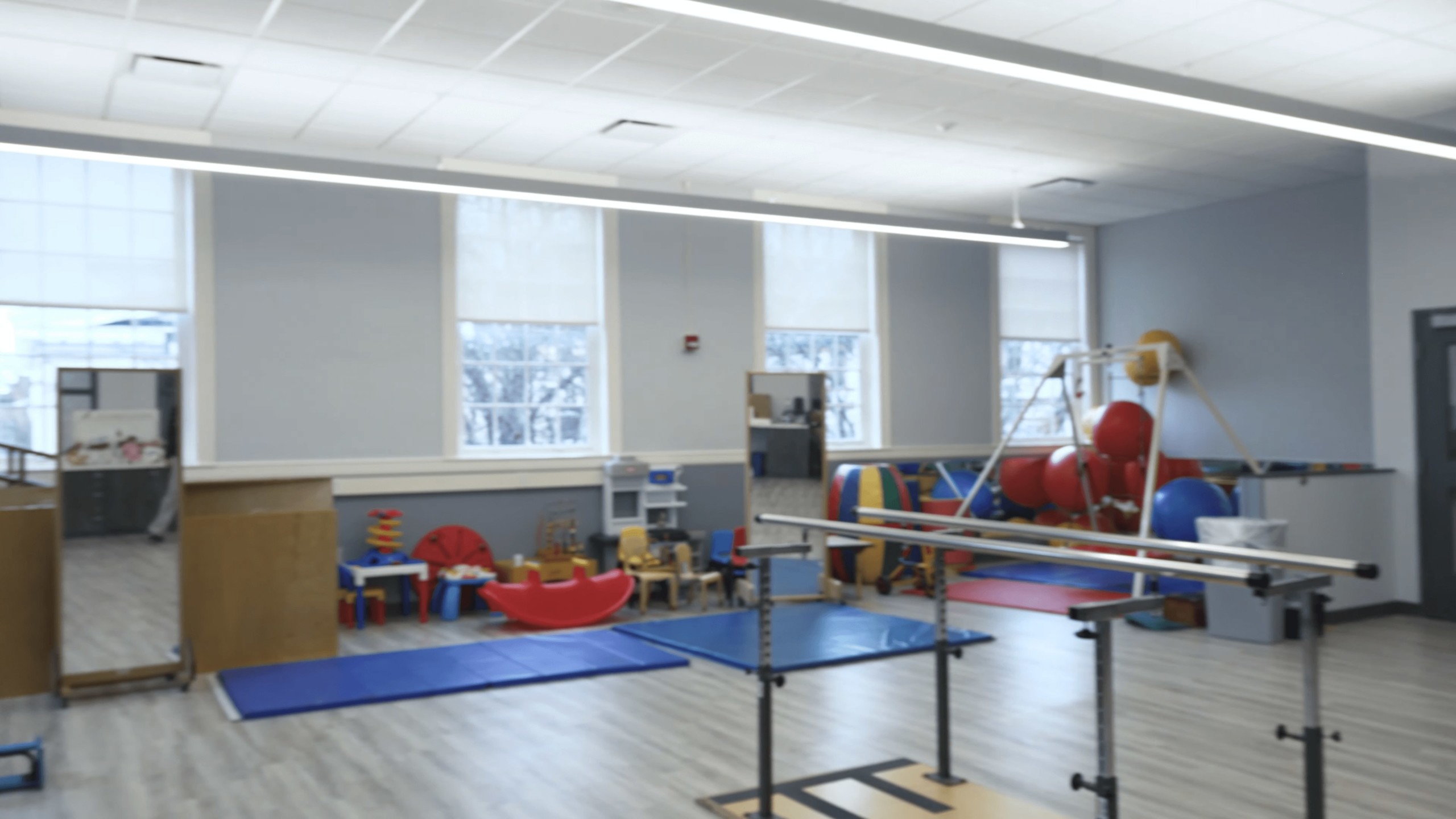
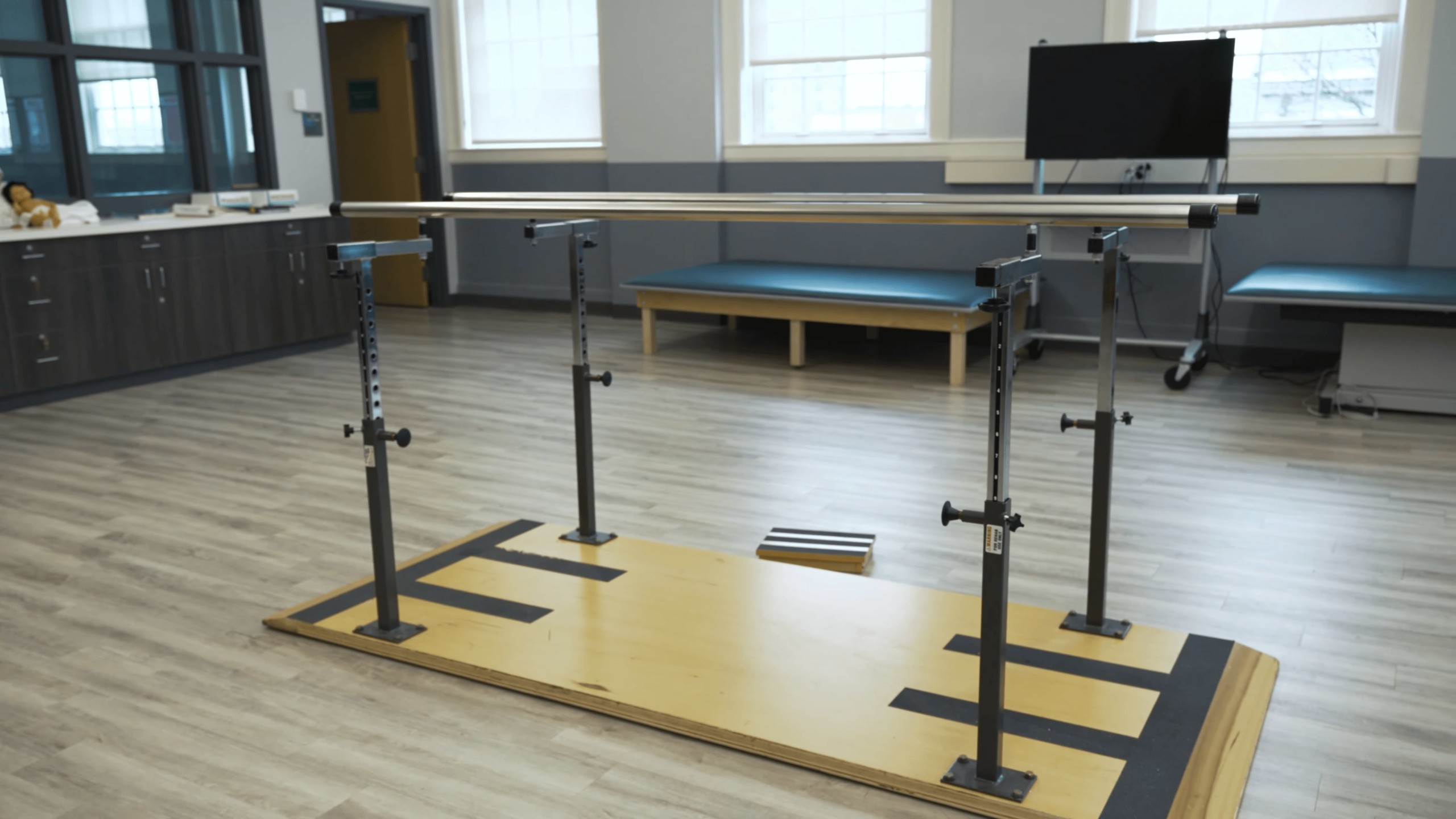
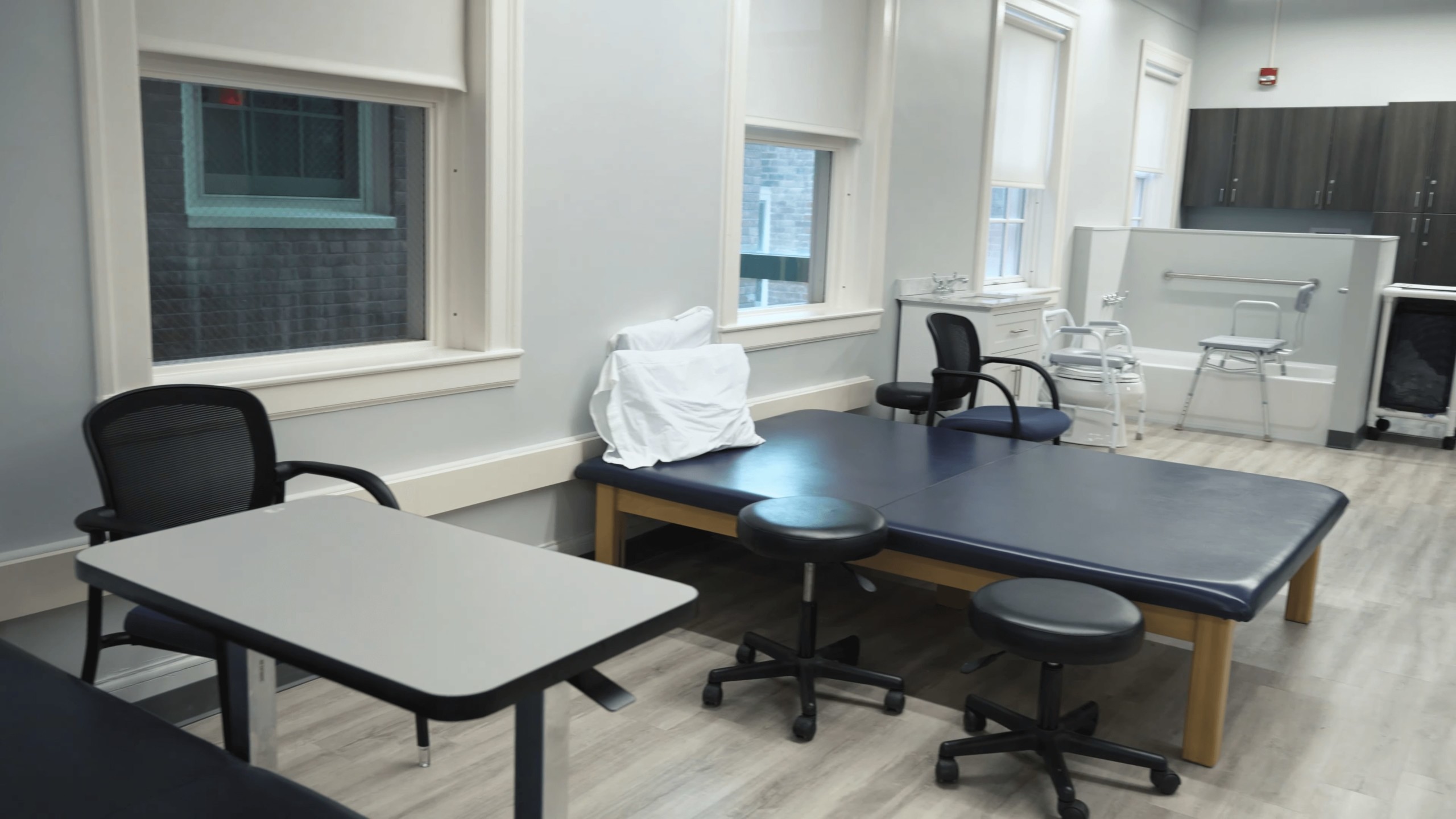
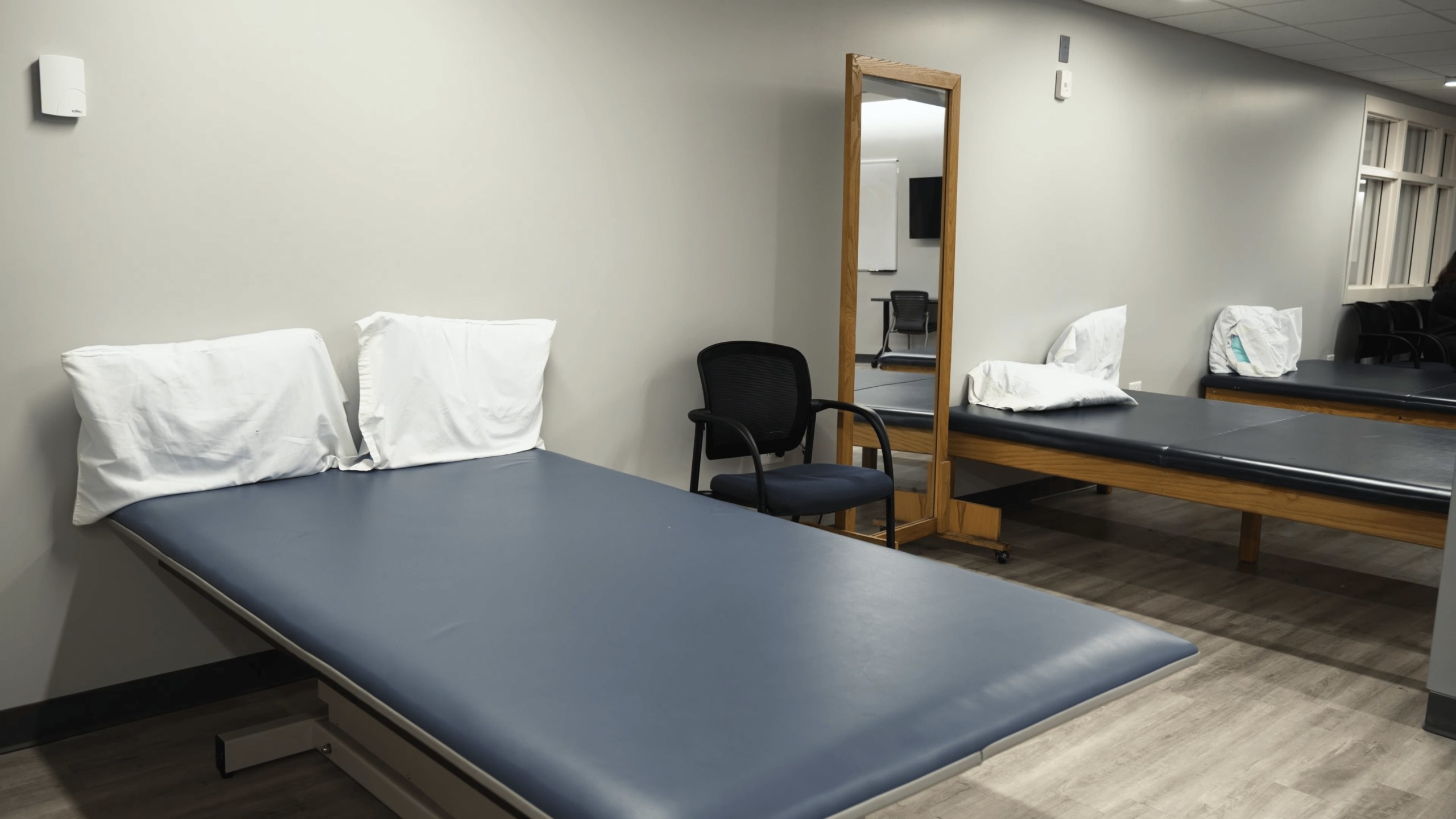
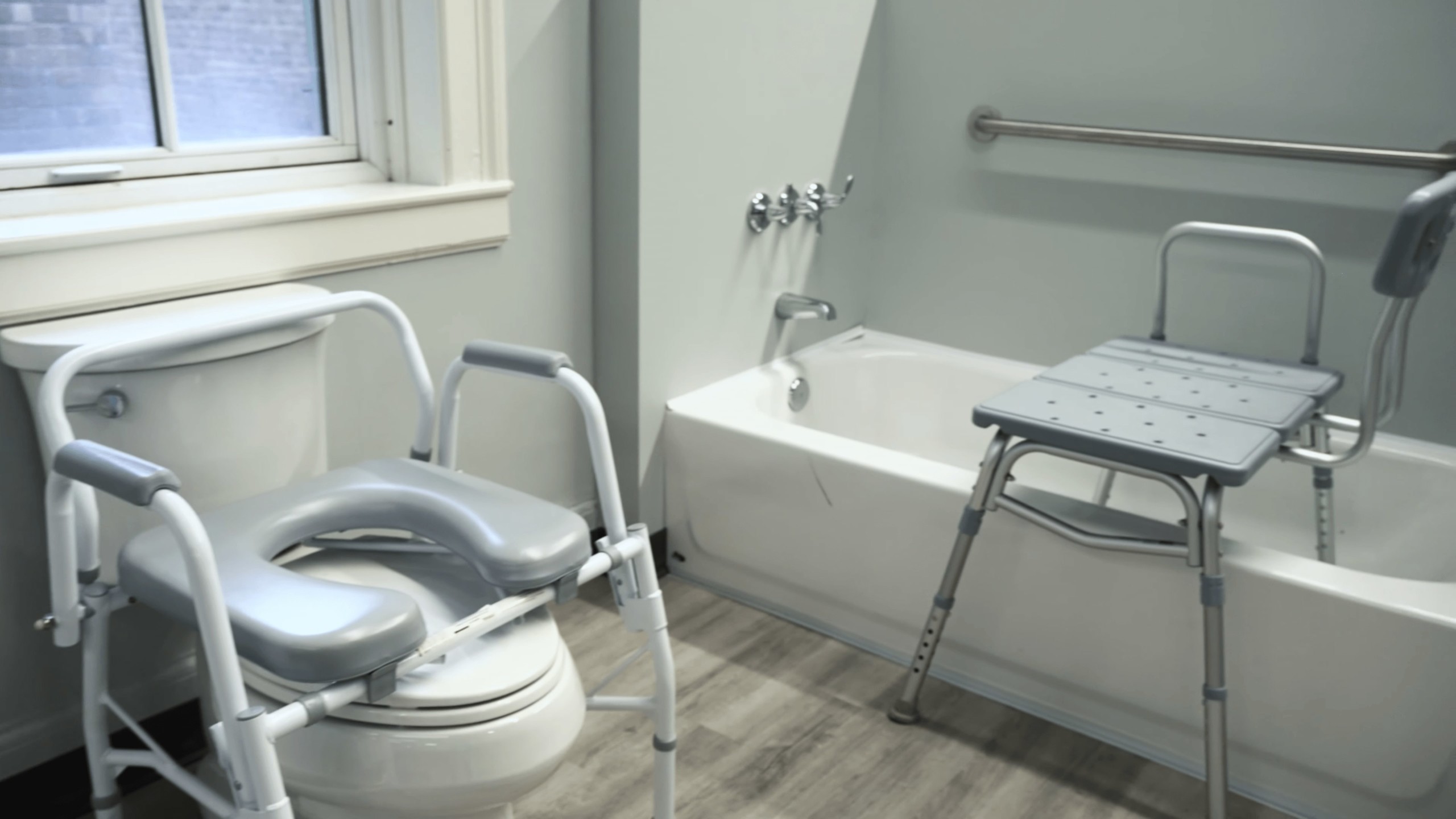
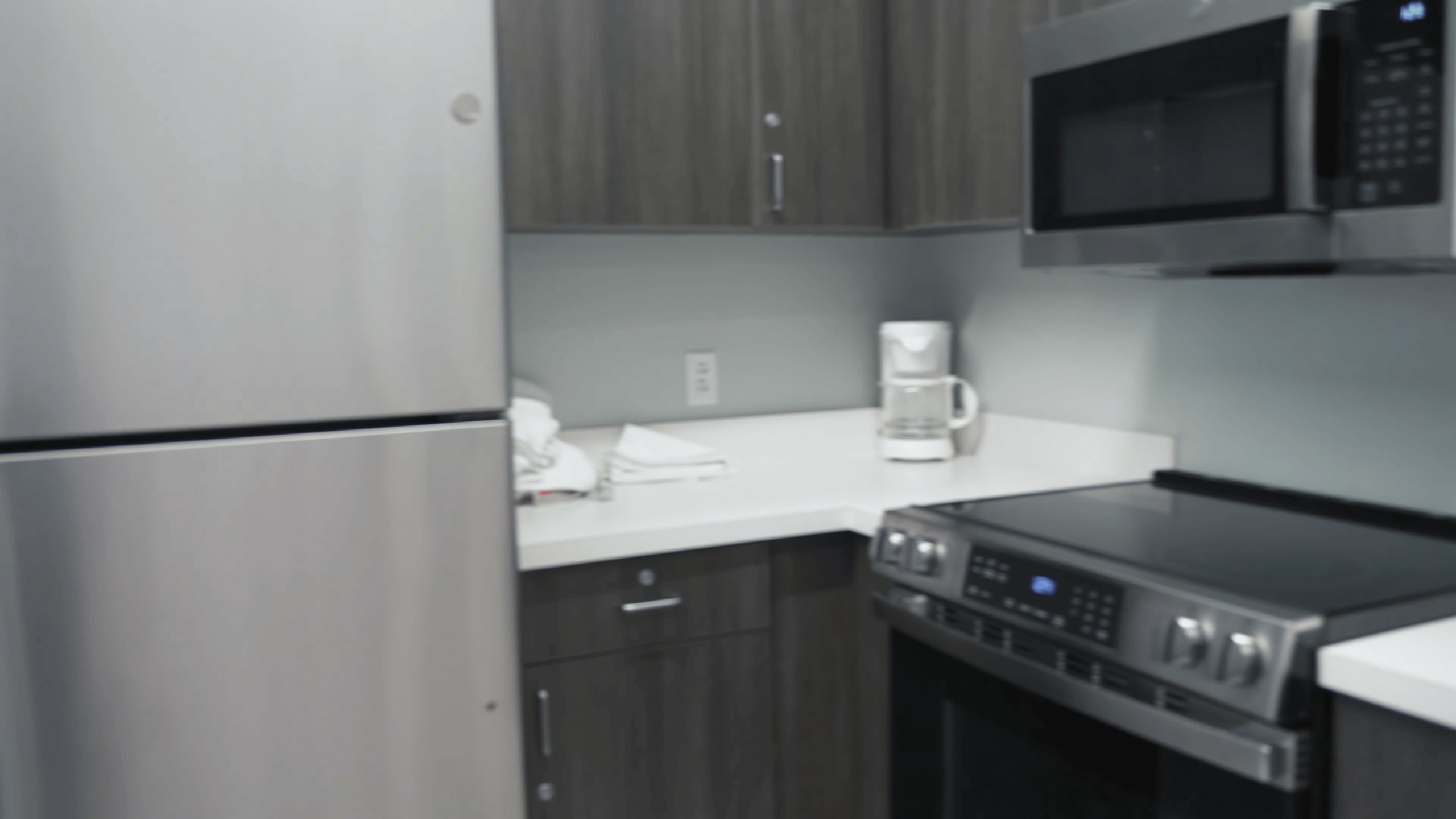
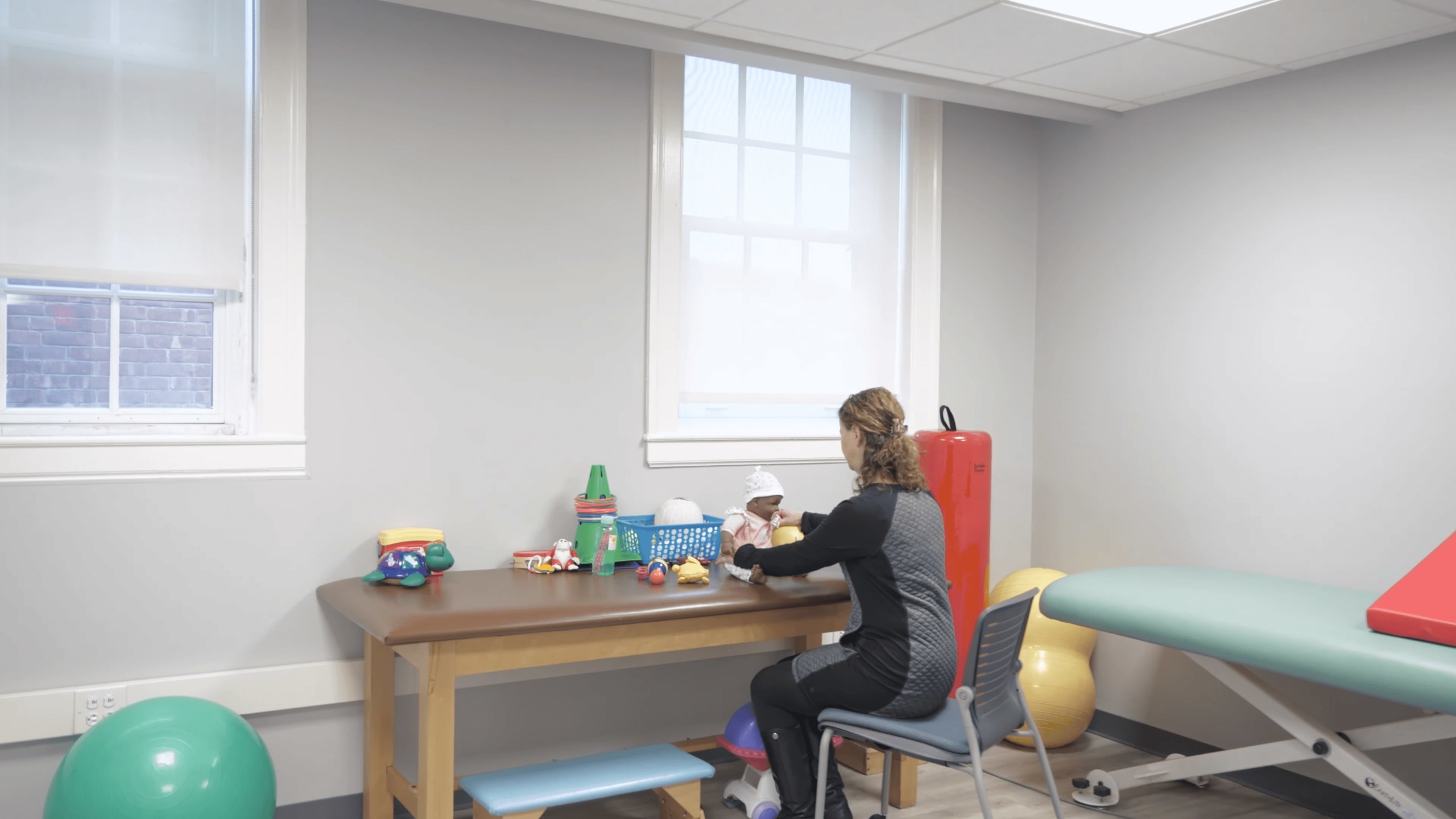
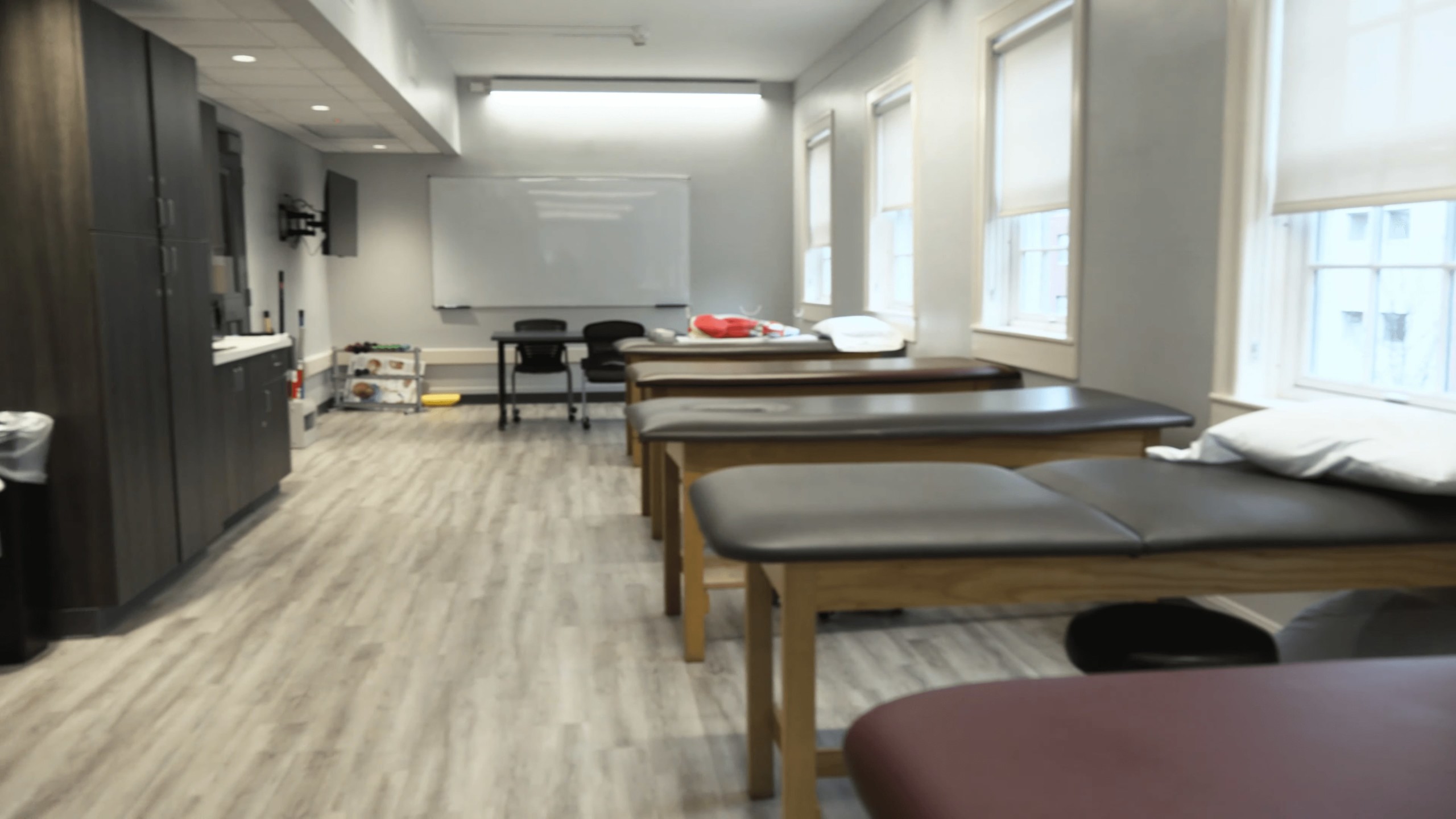
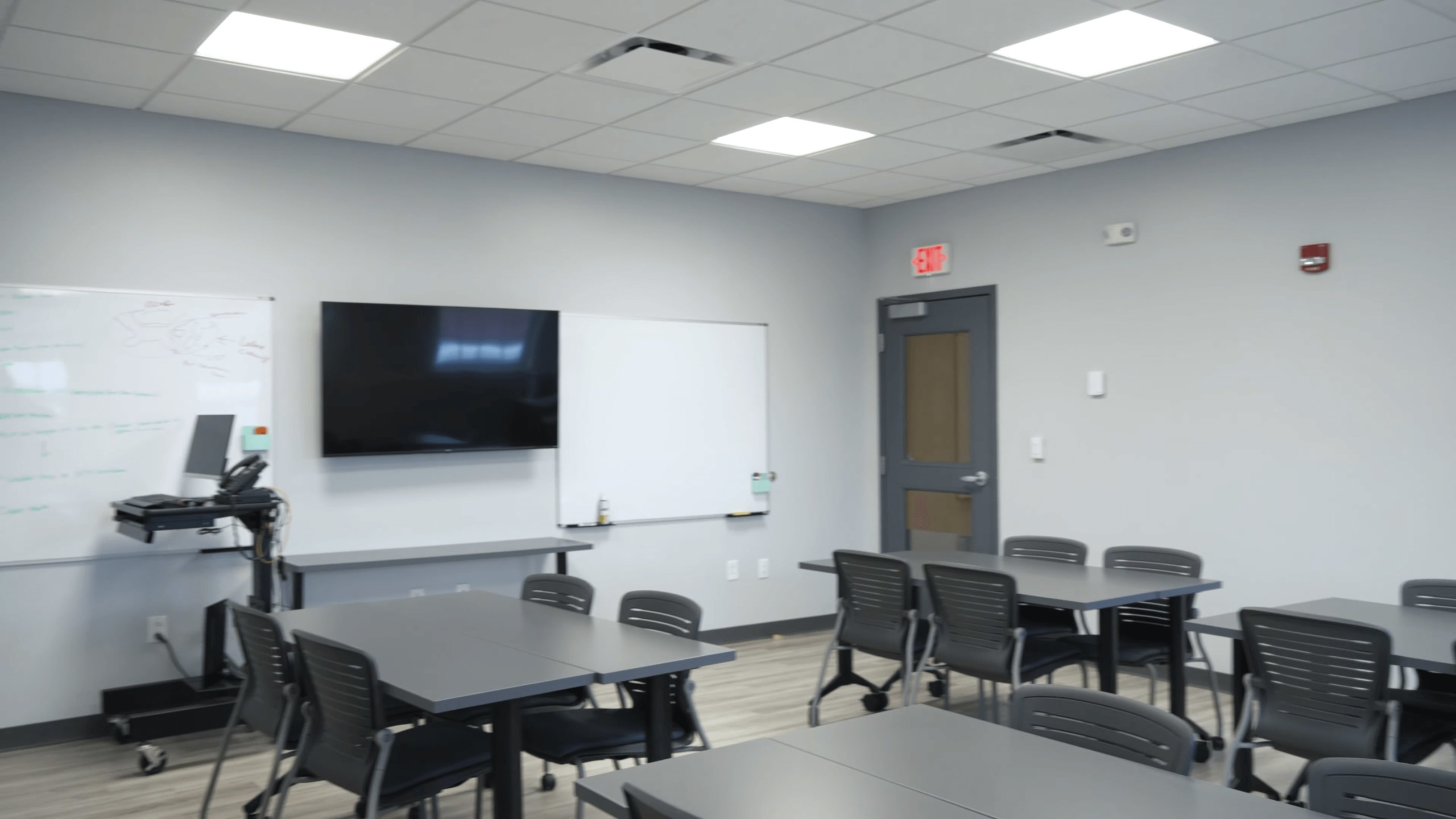
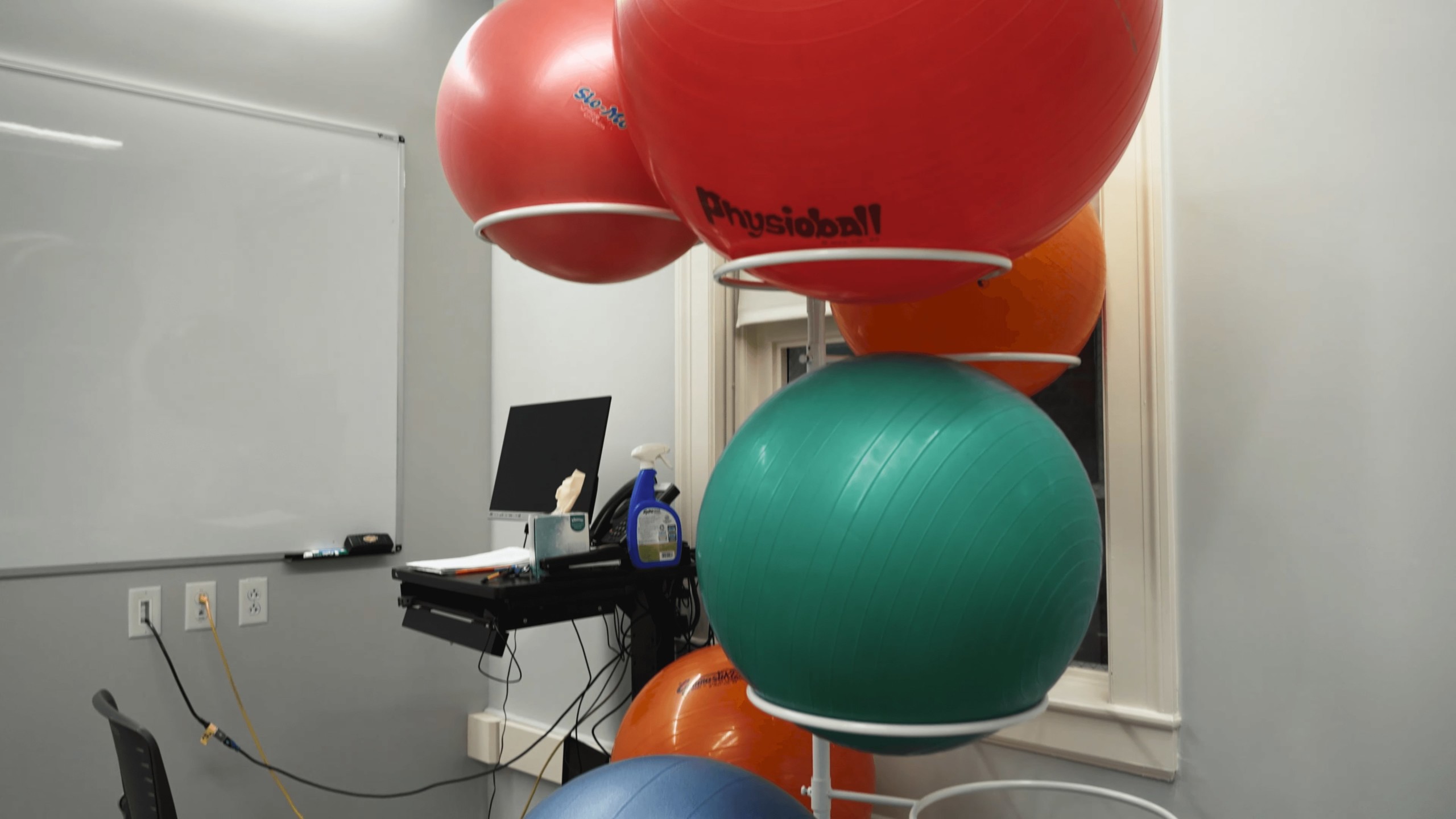
As a Doctor of Physical Therapy student at Russell Sage College, you’ll learn in well-equipped physical therapy labs and a traditional anatomy lab — and work with real people with real medical issues in the community.

You will work with patients under the supervision of licensed physical therapists in three different settings, which may include hospitals, schools, skilled nursing facilities and private practices. Your responsibilities will progress over the course of one eight-week and two 12-week clinical experiences; by your third clinical experience, you will have responsibilities identical to those of an entry-level physical therapist. More than 365 sites host our Physical Therapy students for clinical experiences.

  • Career-focused: We provide a careful sequence of clinical placements based on employer feedback, so you’re prepared to shine during your graduate studies and when it’s time to secure a job. And we take a generalist approach to the curriculum to give graduates the most flexibility in their careers.
  • Program Longevity: The Physical Therapy program at Russell Sage recently celebrated its 75th anniversary, so we have a long list of graduates for networking. Russell Sage’s strength in the health professions means you’ll interact as a student with the same fields you’ll encounter as a professional, giving you valuable experience.
  • Enriched Learning: The program values hands-on and enriched learning opportunities whenever possible, including using cadavers to provide students with an amazing opportunity to connect didactic content with an exploration of the human body through a full human body dissection during their first summer in the program.

Easily Apply

Apply after the PTCAS opens on June 15, and start the next summer.
Our Summer 2026 DPT program is at capacity and we are starting a waitlist for deposits, please reach out to graduate@sage.edu to connect on next steps. 

DPT Application Instructions:

  • Students with a bachelor’s degree, who meet the admission requirements for a DPT program, should apply through the Physical Therapist Centralized Application Service.
  • Thorough completion of the PTCAS application, including your biographical information, work history, and extracurricular activities
  • Official transcripts from all post-secondary institutions attended
  • Two letters of recommendation (one must be an academic reference)
  • A 1- to 2-page career goals essay: We want to hear your voice. Russell Sage College values authenticity, critical thinking, and personal expression. We ask that all application essays be written solely by the applicant with only ethical use of AI technology, such as tools that support but do not generate content.
  • Documentation of at least 40 hours of clinical observation under the supervision of a licensed physical therapist
  • Program Prerequisite Form

Course Requirements

Credits and Completion

Our doctorate in physical therapy program requires 115 credits and can be completed full time in approximately three years. View the course sequence details in our program catalog.

The Doctor of Physical Therapy program at Russell Sage College is accredited by the Commission on Accreditation in Physical Therapy Education (CAPTE) · 3030 Potomac Avenue, Suite 100 · Alexandria, VA 22305-3085 · phone: 703-706-3245 · email: accreditation@apta.org · website: www.capteonline.org

The program is also registered with the New York State Education Department · Education Building · Albany NY 12234 · 518-474-3852

If you need to contact the program/institution directly, please call 518-244-2449 or email westee@sage.edu.
 Commission on Accreditation in Physical Therapy Education (CAPTE)

CAPTE Compliance

Policy on Timely Accreditation Fee Payment and Documentation Submission
The department chairperson insures that accreditation fees are paid-in-full once the invoice is received from the Department of Accreditation of APTA and that all required documentation is submitted by any stated deadlines. This documentation includes, but is not limited to, reports of graduation rates, performance on state licensing examinations, and employment rates.

Policy on Notification of CAPTE Regarding Substantive Change
The department chairperson, or programs designee, will promptly notify CAPTE of any expected or unexpected substantive change within the program. These changes may include, but are not limited to, change in program or college leadership, significant vacancy of faculty positions, change in institutional accreditation status, or withdrawal of the university’s legal status to provide post-secondary education.

Policy on Program Compliance with CAPTE Criteria
Russell Sage College is committed to offering a physical therapy program which meets and exceeds the standards outlined in CAPTE accreditation criteria. Program faculty, and department, college and university administration are aware of the need for the program to be in compliance within two years of written notice of non-compliance and will do all that is necessary to remedy non-compliance. Actions taken to bring the program into compliance include, but are not limited to, hiring additional faculty/staff, securing consultant services, reorganizing faculty assignments, making changes to program policies and procedures, modifying curriculum, and/or securing additional resources.

Complaint Procedure
A student can provide testimony or file a complaint with the agency responsible for accrediting physical therapy programs (CAPTE). Individuals wishing to make comments about a CAPTE accredited program should visit CAPTE Compliance Information.

There are established procedures for filing a formal complaint about a CAPTE accredited program. If the nature of a concern may fall into the possibility of a formal complaint, the individual is urged to contact the Department of Accreditation to discuss the nature of the complaint and to determine what procedures should be taken to initiate the formal complaint process. Comments can be mailed to the American Physical Therapy Association, ATTN: Accreditation Department, 1111 North Fairfax Street, Alexandria, VA 22314-1488; fax 703-684-7343 or emailed to accreditation@APTA.org.

Program Philosophy

  • The members of the Doctor of Physical Therapy program believe:
  • Faculty and students have a responsibility to make positive contributions to the professional community and community-at-large.
  • Physical therapists are autonomous practitioners who are lifelong learners and engage in evidence-based practice.
  • Physical therapists are prepared to meet current and evolving practice areas by means that are consistent with the core values of professionalism in physical therapy.
  • Clinical excellence includes the highest possible professional, ethical, legal, and scientific standards.
  • Physical therapists need a broad base of preparation in the liberal arts, professional theory, and critical inquiry integrated with practical and applied experiences
  • Active hands-on learning experiences with patients/clients are essential throughout the curriculum to assist students in gaining cognitive, psychomotor, and affective skills to prepare them for clinical practice.
  • The integration of mind, body, and spirit for self and others is essential to the delivery of safe, comprehensive, and effective physical therapy services.
  • Meeting the healthcare needs of patients/clients requires effective skills in communication, collaboration, and advocacy.
  • Effective healthcare delivery is sensitive to the cultural and financial needs of all patients/clients in order to empower them to be active in their own care.
  • Faculty members are models for students in their roles as educators, scholars, administrators, clinicians, consultants, and providers of professional and community service.

The Doctor of Physical Therapy program at Russell Sage College is a post-baccalaureate program where students enter the program in a summer semester. Students enrolled in the 3-year program complete 9 semesters of consecutive course work with integration of three full-time clinical experiences in the second and third summer semesters and from November–February of the third year. Part-time clinical experiences are also integrated to correspond with course work being completed in patient/client management courses.

Russell Sage College’s doctoral program in Physical Therapy prepares graduates for the National Physical Therapy Examination and entry into the physical therapy profession. Graduates will be competent to practice physical therapy at an entry-level consistent with the best practices in education and training recognized by the American Physical Therapy Association’s Guide to Physical Therapy Practice: A Normative Model of Physical Therapist Professional Education and the APTA Vision Statement for Physical Therapy 2020.

Program Outcomes, Classes of 2023 and 2024

  • Average graduation rate for 2023 and 2024: 93.1%
  • Average licensure pass rate for 2023 and 2024: 94.6%
  • Employment rate for those seeking employment, classes of 2023 and 2024: 100%
  • Average First-Time Pass Rate for 2023 and 2024: 77.6%
Professional Exam Results20202021202220232024
National Physical Therapy Exam (NPTE)100%97.1%96.4%94.3%94.9%
National Rates99.1%99.0%98.7%98.6%96.8%

DPT Preferred Admissions

Are You an Undergraduate Student Looking at DPT Programs?

Students with bachelor’s degrees from any institution are welcome to apply to our DPT program. But as part of a DPT Preferred Admissions process, we have agreements with several undergraduate colleges to offer preferred acceptance to qualified students who wish to pursue a DPT at Russell Sage. 

We have articulation agreements with the following colleges:

  • Albany College of Pharmacy and Health Sciences
  • Castleton University
  • Felician University
  • Hartwick College
  • Manhattan College
  • Massachusetts College of Liberal Arts
  • Siena College
  • Skidmore College
  • SUNY Oneonta
  • SUNY Plattsburgh
  • University at Albany
  • Vermont State University
  • Accelerated Bachelor’s and DPT: Sage has 3+3 and 4 +3 programs for students to complete a bachelor’s degree and a Doctorate of Physical Therapy. Students in the accelerated DPT program can earn a bachelor’s and DPT in six years — that’s less time than it would take to pursue the degrees separately.
  • Undergrad Majors for DPT: Our undergraduate Biology, Health Sciences and Psychology programs are an excellent foundation for our DPT program. Students who wish to earn a bachelor’s and DPT should apply for undergraduate admission.

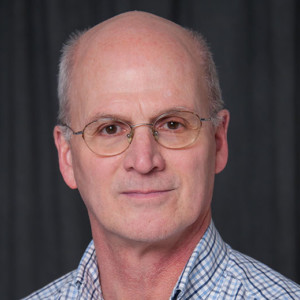
“Our DPT program has a multi-decade track record of turning out really, really good practitioners.”

James Brennan, Ph.D.
Associate Professor of Physical Therapy
Research


Doctorate in Physical Therapy candidates have the opportunity to conduct research under a faculty mentor and may be eligible for research funding from Russell Sage College’s Broughton Graduate Fellowship. Our students have presented their research at the American Physical Therapy Association’s national meetings and at Russell Sage College’s Graduate Research symposium.

Professional Development & Service

Russell Sage College’s School of Health Sciences stresses inter-professional education and creates opportunities for future physical and occupational therapists, nurses, dietitians, mental health professionals and others to learn together, in preparation for roles on inter-professional health care teams.

Students and faculty represent the DPT program and physical therapy profession at three inter-professional conferences each year and at dozens of community events like 5K walks and runs, information sessions at senior-citizen centers and health-and-wellness expos.

DPT program faculty and students

Your Future Career with a Doctorate in Physical Therapy

Our graduates work in private practices, schools, hospitals, rehabilitation centers, nursing homes, and fitness facilities, and they have been accepted to neuro-orthopaedic, sports medicine, and cardiopulmonary clinical residency programs. According to the Bureau of Labor Statistics Occupational Outlook for Physical Therapists

79.3%

first-time pass rate on the 2025 NPTE

94.6%

ultimate pass rate on the National Physical Therapy Exam for 2022-2023, most recent data available

17%

increase in employment opportunities predicted through 2031. (The average growth rate for all occupations is 5%, according to the Bureau.)

365

The number of sites that host our Physical Therapy students for clinical experiences.

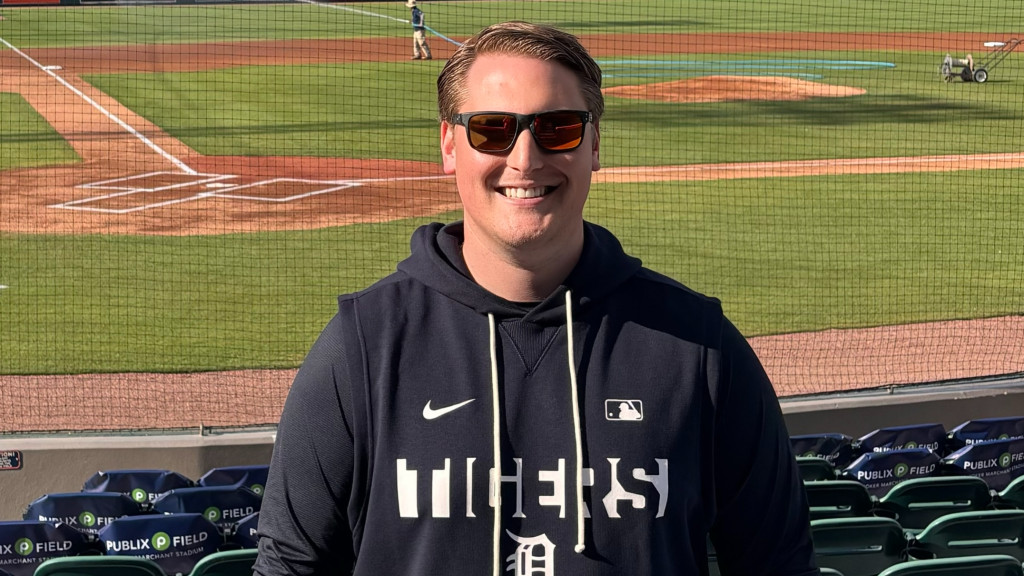
I believe good things come to those who can identify and seek out opportunity. I was fortunate to develop relationships with professors who taught the subjects that serve as critical building blocks when advancing to post-doctoral residency and fellowship training.

Sage provided me the opportunity to attend several local and national conferences that set the stage for networking, advanced education, and lifelong friendships. Sage also prepared me for the adversity and challenges that come with pursuing a career in sports physical therapy.

Arthur Wayne Baker , Jr., PT, DPT, ’24

Doctor of Physical Therapy Program Details

Frequently Asked Questions – Doctor of Physical Therapy (DPT) 

Demand for physical therapists remains robust across the country and in New York’s Capital Region. The U.S. Bureau of Labor Statistics projects 14% job growth from 2023–2033, which far exceeds the average for all occupations. This translates to roughly 13,600 new positions each year. Health systems in Albany, Troy, and Delmar are expanding outpatient rehabilitation and joint‑replacement programs to meet rising demand. Regional hospitals such as Albany Medical Center and St. Peter’s draw patients from across upstate New York. Private clinics in Bethlehem, Guilderland, and Clifton Park are opening satellite offices to serve suburban communities. These developments create a robust pipeline of job opportunities for newly licensed therapists. 

Aging populations and improved survival after strokes and injuries increase rehabilitation needs. Youth athletics and employer wellness programs drive demand for injury‑prevention expertise in communities like Delmar and Latham. Telehealth and home‑based services that grew during the pandemic continue to expand. Many therapists in the Capital Region now split time between clinic visits and home visits. Rural counties in the Adirondacks and Hudson Valley recruit therapists for hospitals and nursing homes, some offering loan repayment incentives. Graduates therefore find opportunities in hospitals, schools, sports clinics and home‑care agencies. Overall, the region’s mix of urban and rural communities supports a positive employment outlook. 

 Aspiring physical therapists must complete a Doctor of Physical Therapy degree from a program accredited by the Commission on Accreditation in Physical Therapy Education. Admission typically requires a bachelor’s degree with prerequisite coursework in anatomy, physiology, chemistry, physics, and statistics. Many applicants also complete volunteer or observation hours in clinical settings to strengthen their application. Most DPT programs are three years long and combine advanced coursework with supervised clinical rotations. At Russell Sage College in Troy and Albany, for example, students spend nine semesters mastering musculoskeletal assessment, neuroanatomy, and evidence‑based practice. Prospective applicants should prepare personal statements, recommendation letters and transcripts well in advance. Because class sizes are limited, early application can increase chances of acceptance. 

After graduating from an accredited DPT program, candidates must pass the National Physical Therapy Examination administered by the Federation of State Boards of Physical Therapy and meet state‑specific requirements such as a background check. New York requires continuing education credits to renew a PT license. Many newly licensed therapists pursue post‑professional residencies or fellowships to specialize in areas such as orthopedics, neurology, or geriatrics. These programs provide mentored clinical experience and may lead to board certification through the American Board of Physical Therapy Specialties. Joining professional organizations, such as the New York Physical Therapy Association, can offer networking and advocacy opportunities. Ultimately, careful planning and early preparation help applicants meet prerequisites and navigate New York’s licensure process successfully. 

Salaries for physical therapists vary depending on experience, work setting, and geographic location. Nationally, the median annual wage for physical therapists was about $101,020 in May 2024. In New York, the Occupational Employment and Wage Statistics program reports an average salary of roughly $100,810, slightly above the national median. Newly licensed therapists often start near the lower end of the range and may earn around $75,000 to $85,000 in their first year. Therapists who pursue board certification or assume managerial roles can command salaries exceeding $130,000. Hospitals and home‑health agencies generally offer higher pay than outpatient clinics or school‑based programs. Outpatient care centers reported average wages of approximately $123,900 in May 2024, reflecting demand for specialized rehabilitation services. 

Salaries also differ across the Capital Region, with metropolitan areas like Albany and Saratoga Springs paying more than rural counties due to higher living costs. Therapists working for large health systems such as Albany Medical Center or Ellis Medicine may receive performance bonuses, shift differentials, and tuition reimbursement. Private practice owners in communities like Delmar and Latham have the potential to earn higher incomes but must account for overhead expenses. Benefits packages often include health insurance, retirement plans, and continuing education stipends, adding value beyond base salary. Overall, physical therapists in upstate New York enjoy competitive compensation with opportunities for advancement through specialization and leadership roles. 

 Physical therapists help people recover mobility and reduce pain after injury, illness, or surgery. They begin by reviewing each patient’s medical history and physician referral to understand the underlying condition. A thorough physical examination assesses strength, range of motion, gait, and functional limitations. Therapists then develop individualized care plans that may include therapeutic exercises, manual therapy, stretches, and use of assistive devices. They educate patients about posture, ergonomics, and home exercises to prevent re‑injury. Documentation of progress is essential, and therapists adjust plans based on outcomes and patient feedback. Physical therapists also advocate for accessibility modifications, such as recommending orthotics, adaptive equipment, or workplace accommodations. 

Collaboration with other health professionals is central to effective rehabilitation in the Capital Region. Therapists in hospitals like St. Peter’s and Sunnyview Rehabilitation work alongside physicians, nurses, occupational therapists, speech‑language pathologists, and social workers to create coordinated treatment plans. They may supervise physical therapist assistants who provide routine interventions under their direction. Communication with primary‑care doctors and specialists ensures that therapy aligns with medical treatment and surgical timelines. Therapists also participate in discharge planning by consulting with case managers and arranging home‑care services. In school settings, they collaborate with teachers and special education staff to support students with disabilities. This interdisciplinary approach enhances patient outcomes across hospitals, outpatient clinics, schools, and community programs in the Albany area. 

After earning a DPT and licensure, physical therapists can pursue advanced training to deepen their expertise. Post‑professional residency programs provide one year of mentored clinical experience in specialties like orthopedics, sports medicine, neurology, pediatrics, or geriatrics. Fellowships offer even more intensive training in niche areas such as manual therapy or prosthetics. Successful completion of a residency or fellowship may qualify therapists to sit for board certification exams administered by the American Board of Physical Therapy Specialties. Board‑certified specialists often enjoy greater recognition, autonomy, and earning potential. Therapists may also pursue postgraduate degrees, such as a Ph.D. in rehabilitation science, to transition into research or academia. Participating in professional organizations and attending conferences helps therapists stay current with emerging evidence‑based practices. 

Continuing education is mandatory for license renewal in New York and typically involves completing a set number of hours every registration period. Options include weekend seminars, online courses, simulation labs, and workshops hosted by universities and healthcare systems. In the Capital Region, Albany Medical Center, Columbia Memorial Health, and other providers frequently sponsor continuing education events. Many therapists pursue certifications in specialized techniques like dry needling, vestibular rehabilitation, or pelvic floor therapy. Leadership and management courses can prepare clinicians for supervisory roles or practice ownership. Volunteering with community health initiatives or serving as a clinical instructor for students provides informal learning and networking. Lifelong learning enables physical therapists to adapt to evolving technology, changing patient populations, and healthcare regulations. 

Clinical education is a cornerstone of Doctor of Physical Therapy programs and exposes students to diverse practice settings. According to the U.S. Bureau of Labor Statistics, the largest employers of physical therapists are outpatient offices and hospitals, followed by home‑health agencies and nursing facilities. DPT students in the Albany area typically complete rotations in acute‑care hospitals like Albany Medical Center and Ellis Hospital to learn postoperative care and intensive rehabilitation. Outpatient experiences at orthopedic and sports medicine clinics in Troy, Saratoga, and Glenmont provide exposure to musculoskeletal injuries and athletic populations. Pediatric clinics and school‑based programs offer opportunities to work with children with developmental delays or disabilities. Home‑health agencies such host students for in‑home rehabilitation services across the Capital Region. Each rotation allows students to develop skills in patient assessment, treatment planning, documentation, and interprofessional communication. 

Many universities also partner with specialty clinics to provide unique learning experiences. Cardiopulmonary rehabilitation units teach students how to monitor vital signs and tailor exercise for patients with heart and lung conditions. Oncology rehabilitation programs help students understand how to address fatigue, lymphedema, and mobility issues during cancer treatment. Rural fieldwork placements in the Adirondacks and Hudson Valley expose students to community hospitals and critical‑access facilities that serve underserved populations. Students often complete capstone projects or research during their clinical year, integrating evidence‑based practice with real‑world problem-solving. Overall, the Albany area’s mix of urban, suburban, and rural placements prepares graduates to work in a variety of healthcare settings after licensure. 

Need help?
Associate Professor of Physical Therapy & Chair
518-244-2449

Take the Next Step

It's time to take the next step. Choose yours below.