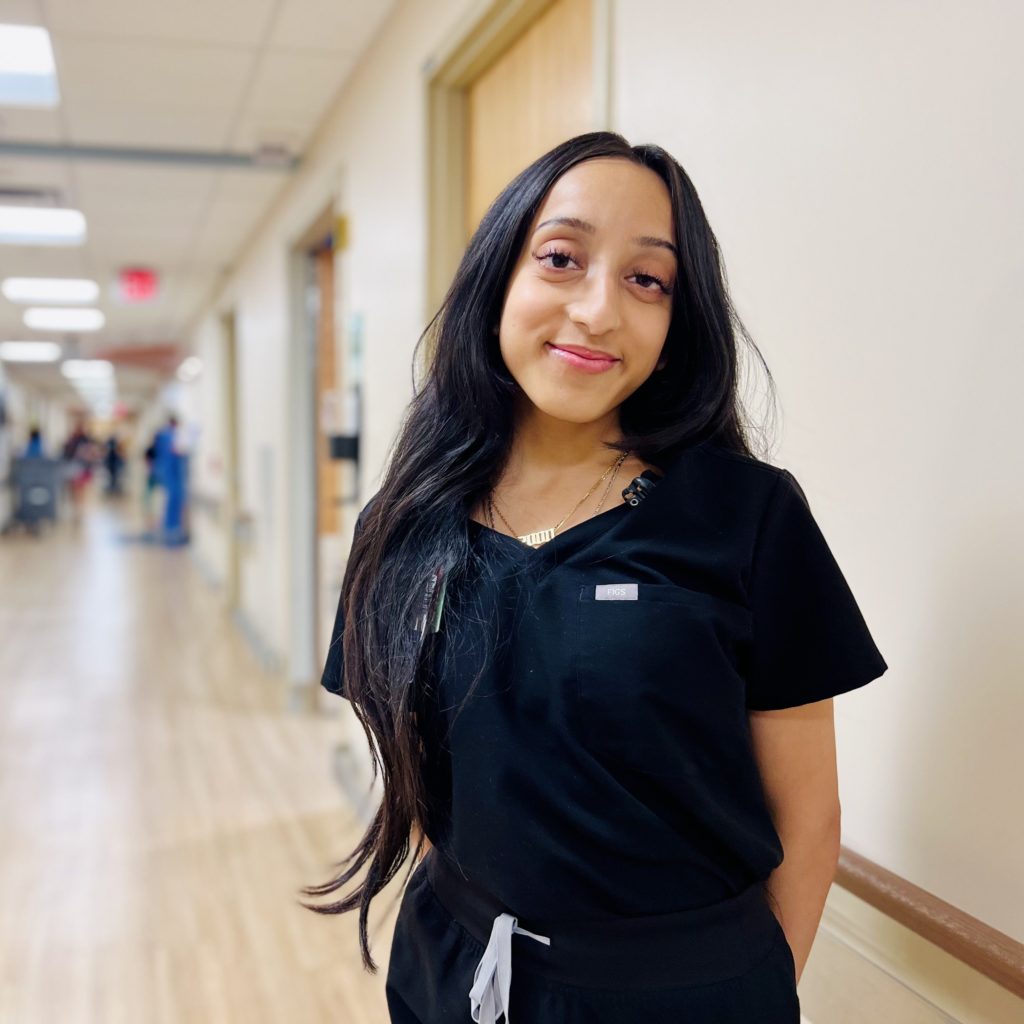

Albany Med Nursing Workforce Partnership Hospital Hallway Scrubs

Become a Nurse Practitioner

Nurse practitioners improve the quality of health care for individuals and community populations.

Specialties in our Nursing master’s program

Russell Sage’s M.S. in Nursing offers the ultimate flexibility for your career goals with four NP tracks:

Our faculty, who include nationally certified, doctorally- prepared Nurse Practitioners and researchers, focus on the key concepts of clinical judgment; communication; compassionate care; diversity, equity, and inclusion; ethics; evidence-based practice; health policy; and social determinants of health.

Our clinical placements with nationally certified practitioners provide more in-depth clinical exposure to the advanced role of the nurse practitioner. And our program enhances your research skills, which will open up opportunities to present at professional conferences and integrate research in your evidence-based clinical practice.

Our program is almost entirely online, with five visits to campus for an advanced health assessment course, and in-person clinicals that can be arranged at a location convenient to you thanks to our vast clinical partnerships.

  • Name recognition: You will graduate with a Russell Sage degree, which is meaningful given our 100-year history in nursing and health care education.
  • Reduced tuition: We offer a 10% tuition discount for health care partners who join the Workforce Development Partnership. Due to our multi-pronged partnership with Albany Med Health System to address a critical workforce need, Albany Medical Center employees receive a 30% tuition discount on this program.
  • Opportunities for service: Our nurse practitioner students participate in service activities organized by the Nursing department, like a recent trip to provide health care in the Dominican Republic and conducting physicals locally for the homeless population.

Already a Nurse Practitioner? looking to expand your scope of practice?

We also offer a post-master’s certificate program for NPs who want another certification (For example, a FNP might return for a Psych NP certificate). We offer post-master’s certificates in these four areas:

Are you an RN with an associate degree in nursing but a bachelor’s in another field?

We offer a bridge program for students like you that allows you direct entry to our nursing master’s program.

  • Applicants must be an RN with an unencumbered license in New York state with at least one year of nursing experience (employment)
  • Have a 3.0 undergraduate GPA
  • A 1- to 2-page career goals essay: We want to hear your voice. Russell Sage College values authenticity, critical thinking, and personal expression. We ask that all application essays be written solely by the applicant with only ethical use of AI technology, such as tools that support but do not generate content.
  • Official undergraduate transcripts from all post-secondary institutions attended
  • Two letters of recommendation (from a nurse manager, another nurse practitioner, or a former professor)
  • A current resume
  • Meet RSC’s graduate admission requirements.

Course Requirements

Credits and Completion

Our master’s in Nursing programs range from 42 to 48 credits and can be completed full time in approximately two years, or part time. Post-master’s certificates are determined based on previous graduate coursework and can also be completed on a full- or part-time basis.

Graduate Nursing Program Objectives

The Nursing department strives to provide graduate Nursing programs in an environment that emphasizes the development of individuals as professional nurses with a vision of their own power and a clear sense of self and their professional role.

Accreditation

The Baccalaureate degree program in nursing/Master’s degree program in nursing/and/or post-graduate APRN certificate program at Russell Sage College is accredited by the Commission on Collegiate Nursing Education. Visit CCNE Accreditation.

All nursing programs are registered with the New York State Education Department.

Jody Scardillo

“Health care is demanding and busy and … our Master’s in Nursing graduates are finding positions that they are happy about.”
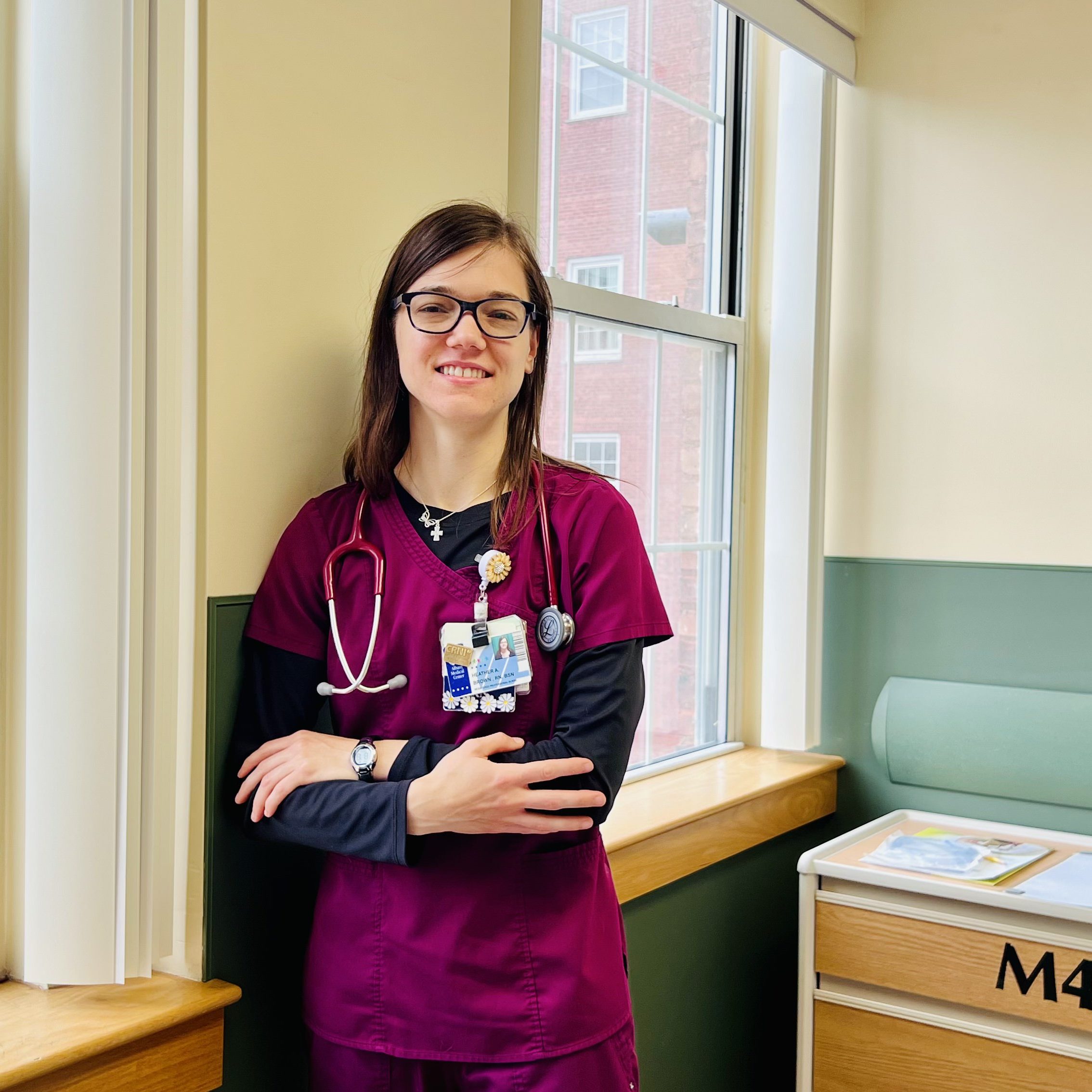
Jody Scardillo, DNP RN ANP-BC CWOCN (Assistant Professor of Practice and Graduate Program Director)

Your Future Career with a Master’s in Nursing

Alumni of our graduate Nursing programs have career opportunities as nurse practitioners, nurse educators, nurse executive-administrators and clinical nurse specialists. According to the Bureau of Labor Statistics Occupational Outlook Handbook for Nurse Practitioners.

$123,780

the median annual wage for nurse practitioners.

40%

increase in employment opportunities predicted through 2031.

“Russell Sage College is a great choice for any student coming in to go towards Nursing”

Kristina Marie Villajuan, RN/Nurse Educator & Russell Sage College Alumna

Frequently Asked Questions – Master of Science in Nursing (Nurse Practitioner) 

Advanced practice registered nurses, including nurse practitioners, nurse anesthetists, and nurse midwives, are among the fastest‑growing healthcare professionals. The U.S. Bureau of Labor Statistics projects that employment of these providers will grow about 40% from 2023 through 2033, adding roughly 31,900 jobs each year. Aging populations and rising chronic diseases increase demand for preventive and primary care that nurse practitioners are trained to deliver. Physician shortages in rural areas of upstate New York mean nurse practitioners often serve as the first point of contact for patients. Healthcare systems across Albany, Troy, Schenectady, and Saratoga continue to expand opportunities for nurse practitioners in outpatient clinics, urgent care centers, and specialty practices. Community health centers and school‑based clinics in underserved neighborhoods also rely on graduate‑prepared nurses to expand access. These dynamics create a strong employment outlook for APRNs in the Capital Region. 

Because New York allows nurse practitioners to evaluate patients, diagnose conditions, and prescribe medications under collaborative agreements, local employers value their autonomy. Telemedicine services and home‑based primary‑care programs in the Capital Region further increase opportunities for nurse practitioners seeking flexible schedules. In some communities, nurse-managed or nurse-led clinic models offer preventive care under advanced nursing oversight. These models are growing internationally and may present emerging opportunities for innovation locally.  

Nurse anesthetists continue to find demand at surgery centers and critical access hospitals, while nurse midwives support maternity services in regional hospitals. Advanced nursing roles such as clinical nurse specialists, clinical informatics nurses, and quality improvement nurses play key roles at Albany Medical Center and St. Peter’s Health Partners by leading initiatives in quality improvement and evidence-based practice. With projected growth and expanding roles, the career outlook for APRNs in upstate New York remains very strong. Prospective students should monitor changing state regulations that might grant full practice authority, further increasing autonomy and demand. 

Becoming a nurse practitioner in New York begins with obtaining a registered nursing license and clinical experience. Most APRN candidates hold a Bachelor of Science in Nursing, but bridge programs allow associate‑degree nurses to complete prerequisite courses and enter graduate study. Accredited Master of Science in Nursing programs provide advanced coursework in health assessment, pathophysiology, pharmacology, and evidence‑based practice. Students also complete hundreds of supervised clinical hours in primary care, specialty clinics and inpatient units to develop advanced competencies.  

Russell Sage offers flexible master’s programs for working nurses. Applicants should prepare transcripts, recommendation letters and personal statements, and meet deadlines well ahead of the start term. 

After graduation, nurse practitioners must pass a national certification exam from boards such as the American Academy of Nurse Practitioners Certification Board or the American Nurses Credentialing Center to obtain an APRN license. Nurse midwives are certified through the American Midwifery Certification Board, while nurse anesthetists take the National Certification Examination administered by the NBCRNA. Once certified, candidates apply for New York state licensure and must maintain collaborative practice agreements with a physician. Licenses require periodic renewal, which involves continuing‑education hours and documentation of recent practice. Some nurses continue into Doctor of Nursing Practice programs to gain leadership and policy expertise and qualify for academic roles (B.S. in Nursing to DNP programs also exist, which allow licensed RNs with a bachelor’s degree to earn a doctorate without a master’s degree needed in between.) Students interested in teaching or research may also pursue Ph.D. or post‑master’s certificates. Navigating these educational steps ensures that graduates meet New York’s legal requirements for autonomous advanced practice. 

Advanced practice nurses typically earn higher salaries than many other healthcare providers due to their specialized skills. Nationally, the median annual wage for nurse practitioners, nurse anesthetists and nurse midwives was about $132,050 in May 2024. Within this group, nurse practitioners earned a median salary of $129,210, nurse anesthetists $223,210, and nurse midwives $128,790. Salaries also vary by employer: hospitals and outpatient centers paid around $137,790 and $137,640 respectively, while offices of other health practitioners paid approximately $117,780. In New York, wages often exceed national medians because of higher living costs and strong demand in both urban and rural areas. Experienced nurse practitioners with specialty certifications or leadership responsibilities may earn well above $150,000. Entry‑level salaries are lower but typically include benefits like health insurance, retirement plans, and tuition reimbursement. 

Geographic location within the Capital Region may influence compensation, with a potential to earn higher salaries in areas such as Albany and Saratoga Springs than more rural counties. Hospitals such as St. Peter’s and Albany Medical Center may offer shift differentials for evening or weekend work, while telehealth companies and home‑based primary‑care practices may offer flexible salary structures with productivity bonuses. Some employers pay for continuing education and certification fees, which adds value beyond the base salary. Overall, APRNs in upstate New York enjoy competitive earnings that reflect high demand and the critical role they play in healthcare delivery. 

Nurse practitioners serve as advanced clinicians who bridge gaps in access to care throughout upstate New York. They provide direct services such as physical exams, ordering and interpreting diagnostic tests, prescribing medications, and managing acute and chronic health conditions. In many practices, they are the primary provider patients see for routine care, disease management, and preventive screenings. Nurse practitioners also emphasize education, helping patients and families understand treatment options, medication regimens, and lifestyle strategies to improve long-term health. 

Beyond individual care, NPs contribute to population health by leading wellness initiatives, participating in outreach events, and supporting school-based and community health programs. Some develop expertise in performing procedures such as wound care, suturing, or device placement that expand access to timely services without requiring a physician appointment. Their advanced training equips them to combine clinical decision-making with patient advocacy, making them key providers in family practice, pediatrics, psychiatric care, adult-gerontology, and women’s health settings across the Capital Region. 

Most MSN programs designed for nurse practitioner preparation take two to three years, with full-time students often finishing in about two years and part-time students extending longer. The coursework builds advanced clinical knowledge through classes in pathophysiology, pharmacology, advanced assessment, and health policy. Students also learn leadership and research skills, preparing them to apply evidence-based practice in their future roles. 

Specialty tracks such as family practice, adult-gerontology, pediatrics, psychiatric-mental health, or women’s health allow students to tailor their education to a population focus. Clinical practicums provide hands-on experience in primary-care offices, specialty clinics, hospitals, and community health centers across the Capital Region. Russell Sage’s Master of Science in Nursing tracks range from 42 to 48 credits and require between 500 and 700 supervised clinical hours. These requirements ensure graduates are prepared for national certification. For nurses seeking further advancement, Doctor of Nursing Practice (DNP) programs include an additional focus on leadership, systems improvement, and policy. 

pecialty certification verifies advanced knowledge and competence in a specific area of practice. Nurse practitioners select boards aligned with their population focus and role. The American Academy of Nurse Practitioners Certification Board offers certifications in family practice, adult-gerontology and emergency care. The American Nurses Credentialing Center provides certifications for family practice, acute care, pediatric primary care, adult-gerontology primary and acute care, psychiatric-mental health and other specialties. Nurse anesthetists obtain credentials through the National Certification Examination administered by the NBCRNA, and nurse midwives are certified by the American Midwifery Certification Board. Each certification requires completion of an accredited program, a passing score on a national exam, and ongoing continuing education for renewal. Specialty credentials enhance credibility and may be required for hospital privileges, insurance reimbursement and prescriptive authority in New York. 

Holding multiple certifications allows practitioners to serve diverse populations and improve marketability. For example, some nurses maintain both family nurse practitioner and psychiatric-mental health certifications to address physical and mental health needs. Certification can lead to higher salaries, eligibility for leadership positions, and the ability to open independent practices. Employers generally expect or require board certification when hiring NPs, especially in specialty settings. Certification also helps ensure adherence to national standards of care and provides accountability to patients and regulators. Recertification typically involves documenting practice hours, completing continuing‑education units, and sometimes retaking an exam. Investing time in obtaining and maintaining certifications demonstrates commitment to professional excellence and patient safety. 

Need help?
Professor and Chair
518-244-2001

Take the Next Step

It's time to take the next step. Choose yours below.