Why Choose Russell Sage’s Childhood and Early Childhood Education Bachelor’s Program

Russell Sage is the first college in the nation to partner with the Center for Positive Education. This means you graduate with the tools to manage classroom stress and support the mental health of children during their most critical years of development.

Accredited by the Association for Advancing Quality in Educator Preparation: There are many different options for you to expand your education in this program. You can take graduate courses during your senior year as well as a middle school extension. If you go on to Russell Sage College’s master’s program, you could be certified in four areas upon completion of the Special Education/Literacy graduate program.

You graduate ready for New York State certification in two areas: Early Childhood (Birth to Grade 2) and Childhood Education (Grades 1 through 6).

Because this program covers infants and toddlers through elementary students, you get a wider variety of classroom experiences earlier in your college career.

You will learn the science of well being, which helps you create a calm and productive learning environment for young children.

High school students can earn up to 30 college credits and complete this degree in only three years, saving significant time and tuition.

A New York State teaching license is your passport to classrooms across the country. Because New York is a member of the NASDTEC Interstate Agreement, your certification is recognized by over 50 other jurisdictions, including almost every U.S. state. Holding a New York license means you have already met the most rigorous requirements in the nation. You can graduate from Sage with the confidence that your career isn’t limited by geography.

The Power in Positive Ed

Well-being matters, and today’s students and teachers need the tools to manage today’s world. 

That’s why Russell Sage College became the first college in the nation to partner with The Center for Positive Education. Each student in the Esteves School of Education graduates with training in Positive Education, and Russell Sage will extend the training to the greater education community with professional development opportunities.

“A Childhood Education degree combined with History, English or life sciences provides breadth and depth of experiences.”

Peter Stapleton, Ph.D.
Assistant Professor of Education

Upstate Living Interview with Dr. Steven Hoff and Education Students Aaliyah and Jada

Hear from Dr. Steven Hoff how positive education helps teachers and students build resilience, feel a sense of belonging and mattering, and create classroom environments where students can thrive academically and personally. Russell Sage students Aaliyah and Jada also share how their experiences studying education are helping them bring positivity, wellness and gratitude into their future classrooms.

Is Russell Sage’s Childhood and Early Childhood Education Major Program Right for You?:

See how Sage’s Childhood and Early Childhood Education program blends real world experience, community connection, and campus life to help you build confidence and make a difference for the next generation.
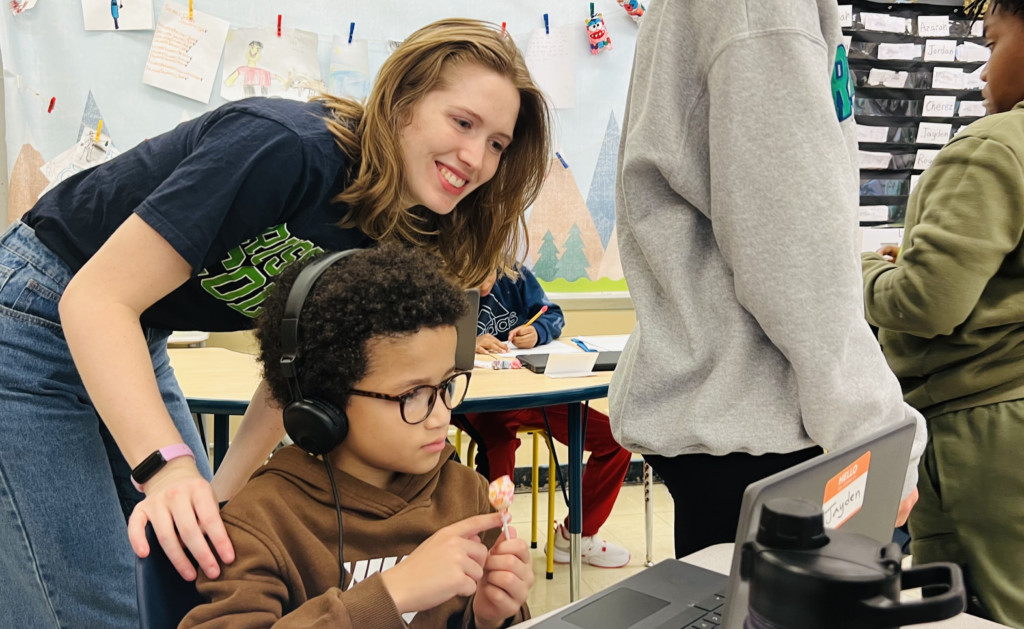
Interested in teaching students from first through sixth grade?

Please see Russell Sage College’s Childhood Education bachelor’s degree program.
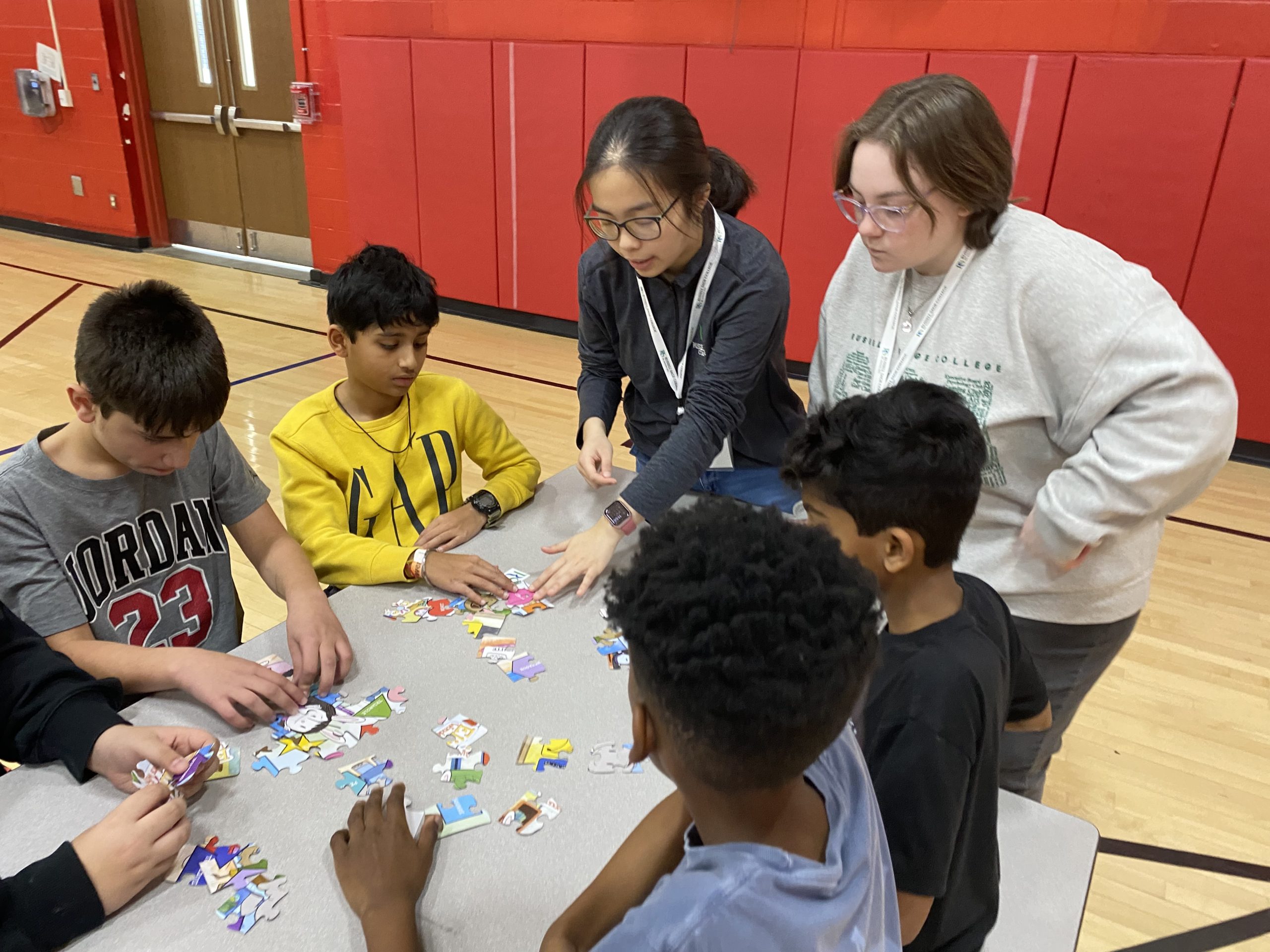
Looking to teach middle school?

Learn Through Real-World Experiences

You will not just sit in a lecture hall. You will start fieldwork early, observing and interacting with students in urban, suburban, and rural districts. This culminates in two seven week student teaching placements where you take over classroom responsibilities under the guidance of expert mentors.

Connect with the Community

Sage students live out the “Be. Know. Do.” motto through service. You might help organize literacy nights for local families or participate in the “Positive Education” professional development days that bring together teachers from across the Capital Region.

Train in High-Tech Learning Environments

Modern classrooms require tech savvy teachers. You will work with the latest educational software and classroom management tools used in New York schools today, ensuring you are ready to lead a digital native generation on your first day of work.

Enjoy Campus Life and City Living

When you want a break from the books, Sage has more than 30 clubs and intramural teams, Division III athletics, a professional theatre company, an art gallery, and fun activities every day. Both campuses are in walkable, diverse neighborhoods, with a lot to do. A free shuttle travels between the campuses every 20 minutes. 

Affordability, Admissions, and Transferring

Affording a Childhood and Early Childhood Education Degree

You are preparing for a career that changes lives. At Russell Sage, we make sure your own path forward is clear and accessible. While private education has a reputation for high costs, our financial aid makes a Sage degree as affordable as public schools, allowing you to focus on your classroom, not your debt.

  • Russell Sage prioritizes college access and affordability. We have been included on U.S. News and World Report’s Best Colleges for Social Mobility list for seven consecutive years.
  • 100% of incoming, full-time undergraduates at Russell Sage receive financial aid.
  • Transfer merit scholarships are generous compared to other colleges – starting at $20,000 to $22,000 a year.
  • In many cases, Russell Sage is more affordable than SUNY or other private schools.
  • We want to make every transfer students’ credits count, just one of the reasons we’ve been named to Phi Theta Kappa’s Transfer Honor Roll for seven straight years.

Don’t forget! You have to fill out a Free Application for Federal Student Aid — or FAFSA — to receive a complete financial aid package from any college. 
Apply to Russell Sage’s Childhood Education Program

Full application details and next steps are available through the Admissions Office.

What Can I Do with a Childhood and Early Childhood Education Degree?

Check Out Our Student and Alumni Success Stories

Explore Careers with a Bachelor’s Degree in Childhood and Early Childhood Education

Lead your own classroom and design curricula that inspire young learners.

  • Median pay is $94,600 per year in New York State (U.S. Bureau of Labor Statistics)
  • New York is a top-three state for educator compensation

Why Russell Sage helps you get there: Our heavy emphasis on fieldwork means you enter your first job with hundreds of hours of classroom experience already on your resume.

For individuals with a master’s degree and teaching experience who are seeking building and district leadership roles, an Instructional Leadership Advanced Certificate and a doctorate in Educational Leadership or a similar subject are necessary credentials

Why Russell Sage helps you get there: Russell Sage’s leadership programs for educators are designed to be convenient for working professionals: Sage’s SBL/SDL certificate program is online, while its Ed.D. program combines online coursework with occasional in-person experiences, to support flexibility and connections.

Manage the daily operations, staff, and curriculum for early childhood centers.

Career Growth: High demand for leaders who understand both the educational and emotional needs of young children.

Why Russell Sage helps you get there: Your Positive Education training is a major selling point for parents looking for high quality care that prioritizes well being.

Work with infants and toddlers who have developmental delays or disabilities to help them prepare for school.

Career Growth: This is a rapidly growing field with many opportunities in government agencies and non profit organizations.

Why Russell Sage helps you get there: Sage provides a strong foundation in developmental psychology and educational theory to help you support families.

Frequently Asked Questions

There are two common routes:

  • Bachelor’s in Education: This is a direct path. These majors include the coursework and student teaching hours needed for initial certification. You might focus on Early Childhood (Birth to Grade 2), Childhood (Grades 1 to 6), Adolescent Education (Grades 7 to 12), or Physical Education.
  • Bachelor’s in another subject: If you have a degree in a field like History or Biology, you can still become a teacher by completing a graduate education program afterward.

For most future teachers, the specific letters do not matter. Whether it is a Master of Arts in Teaching (MAT), a Master of Science (MS), or a Master of Science in Education (MSEd), they all qualify you to teach in New York. Your choice usually depends on your specific career goals, such as specializing in Literacy, Special Education, or School Health.

Studying in New York helps you meet specific state licensing requirements more easily. Being in the Capital Region is a major advantage because it is an education hub. You will have access to urban, suburban, and rural school districts for student teaching, plus proximity to the agencies that shape New York education policy.

You can begin teaching once you earn a bachelor’s degree in education and complete your student teaching requirements. To stay in the profession long term, New York requires you to earn a master’s degree within five years of receiving your initial certification. You will also need to pass state certification exams and meet other specific requirements.

Your first few years are for exploring what fits you best. If you want to move into leadership or administration later, you can pursue advanced certificates:

  • School Building Leader (SBL): Prepares you to be a principal or instructional coach.
  • School District Leader (SDL): Qualifies you for leadership at the district level.
  • School District Business Leader (SDBL): For those interested in district finance and operations.
  • Educational Leadership Doctorate (Ed.D.): For aspiring superintendents or those who want to work in educational policy.

A graduate program at Russell Sage College’s Esteves School of Education is the next step for many elementary education majors with initial certification. Our programs include:

  • Professional School Counseling (MS)
  • Art Education (MAT)
  • School Health Education (MS)
  • Special Education (MSEd)
  • Literacy Education (MSEd)
  • Literacy/Special Education (MS)

Have Questions about a Bachelor’s Degree in Childhood and Early Childhood Education?

Assistant Professor of Education
Dean of Esteves School of Education and Senior Associate Provost

Next steps?

It’s time to take the next step. Choose yours today.

Take the Next Step

It's time to take the next step. Choose yours below.