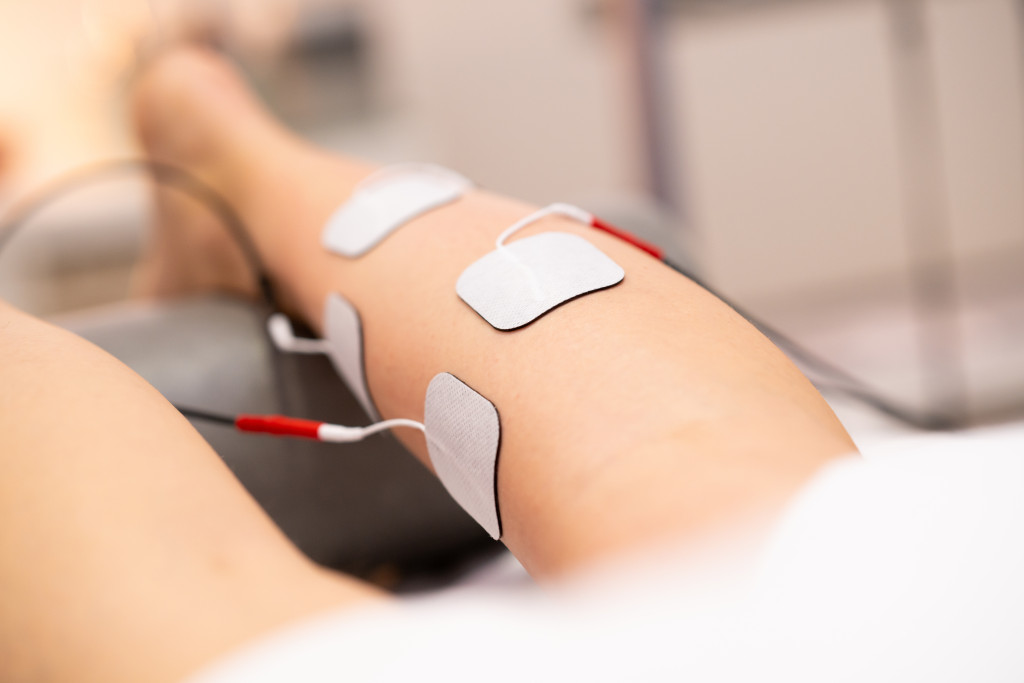

In the United States, earning a Doctor of Physical Therapy (DPT) degree is no longer a matter of extra credit. It’s an essential standard for becoming a licensed physical therapist. Today, the clinical doctoral degree known as the DPT is the mandatory entry-level degree required for licensure as a physical therapist in every state.
This important shift was designed to ensure that every new physical therapist would have the advanced diagnostic and clinical skills necessary for modern healthcare. This reflects the profession’s move toward greater autonomy and direct patient access.
This article will explore the evolution of the DPT requirement before moving on to what the DPT curriculum actually involves and how this educational requirement shapes the long-term career trajectory for physical therapists today.
What Is a Doctor of Physical Therapy (DPT)?

A DPT is a clinical doctorate specifically designed to bridge the gap between academic theory and clinical practice in physical therapy. Unlike a Ph.D., which focuses on original research and teaching, the DPT is an entry-level professional degree centered on advanced patient care and clinical decision-making. The focus on patient care and clinical practice means that those pursuing DPTs can look forward to curricula that combines classroom learning with significant hands-on clinical training.
How the DPT Became the Required Standard
The transition to requiring a DPT for the practice of physical therapy was a deliberate and decades-long evolution driven by the American Physical Therapy Association (APTA). In the early 20th century, physical therapists were able to practice with only certificates or focused diplomas. By mid-century, this began to change as a bachelor’s degree requirement (1960s) and then a master’s degree requirement (1990s) took its place.
However, it wasn’t until the dawn of the 21st century when the APTA released its “Vision 2020” goal that the DPT really came into focus. This vision stated that by 2020 all new practicing physical therapists would be required to hold doctoral degrees. In 2016, the Commission on Accreditation in Physical Therapy Education (CAPTE) further decided that the DPT would be the only degree that accredited higher education programs could offer.
One of the reasons for this change was to change the scope of practice for physical therapists. In many states, modern PTs are “direct access” providers, which means they have the ability to evaluate and treat patients without referrals from physicians. Being a direct access or first-contact provider, however, comes with increased responsibility, which is what makes the DPT a necessary element of the shift. Through DPT programs, physical therapists learn differential diagnosis, pharmacology, and imaging, which helps them effectively treat patients as well as evaluate when they need to seek help from other types of providers.
Education Requirements (Education Pathways) and Industry Trends
Earning a DPT is a rigorous multi-step journey that ensures practitioners are ready for the complexities of modern healthcare. Because the degree is tied directly to licensure eligibility, the educational pathway is standardized across the United States.
DPT Educational Pathway
Earning a DPT takes about seven years, from start to finish:
- Undergraduate degree (4 years): Although any major is technically allowed, most students choose majors in biology or health science to make sure they satisfy the prerequisites required for advanced study.
- Observation hours: DPT programs require applicants to have between 40 and 100 hours of volunteer or paid experience working with or around licensed physical therapists. This requirement helps to demonstrate a baseline understanding and commitment to the profession.
- The DPT program (3 years): This is the professional phase that consists of a combination of classroom and lab work with clinical education. Students must graduate from a program accredited by CAPTE to be eligible for the national board exam.
- Licensure: After graduation, candidates must pass the National Physical Therapy Examination (NPTE) and meet state-specific requirements to earn their licenses to legally practice physical therapy.
Industry Trends and Career Outlook for DPTs
The demand for physical therapists is surging, driven by a shift toward preventative care and an aging U.S. population. According to the U.S. Bureau of Labor Statistics, there is a projected 14% growth rate for physical therapists through 2033, which is much faster than the average for all occupations.
As far as what physical therapists will do, a constantly changing healthcare landscape offers many potential opportunities and a few specific trends. To start, because many states have granted direct access to physical therapy services without a doctor’s referral, private practice for physical therapy has surged and will continue to do so. The APTA also highlights a growing need for physical therapists in rural areas and underserved communities, which has led to a rise in demand for those willing to take on “Travel PT“ roles.
Benefits and Value of a Doctoral Degree in Physical Therapy

The DPT is more than just a step on the road to earning a license to practice physical therapy. Modern PTs are primary care experts with advanced knowledge in differential diagnosis and pharmacology. Much like physicians, they have the opportunity to specialize their practices after graduation in areas such as Orthopedics, Geriatrics, and Sports Medicine. This combination of advanced clinical knowledge and professional autonomy allows modern PTs a lot of options for career paths outside of strict clinical practice, including roles in healthcare administration and owning their own practices.
Students who are considering investing time and money into DPT programs will find that there is a lot of long-term ROI in both the stability and earnings potential of this career. With a median salary near six figures and a 14% projected job growth rate, the DPT degree offers a recession proof career path.
Beyond the numbers, the advanced knowledge that comes from earning a DPT provides graduates with the “human capital” necessary to lead clinical teams and shape patient outcomes at the highest level of the profession.
How to Prepare for a Career in Physical Therapy

Preparing for a career in physical therapy begins with a strong foundation in core sciences, such as anatomy, physiology, and physics. At the same time, students need to gain diverse clinical observation hours to make sure they understand the profession’s breadth. For those seeking a more streamlined path, Russell Sage College offers 3+3 and 4+3 accelerated DPT programs. These programs allow students to transition seamlessly from undergraduate study into the DPT program at Sage.
Ultimately, a DPT is no longer optional; it is the mandatory standard for U.S. licensure as a physical therapist. This requirement ensures that every modern physical therapist has the diagnostic authority to lead patient care in autonomous, direct-access environments. By choosing the Russell Sage DPT program, students meet this high professional bar with the help of a community dedicated to evidence-based excellence.