
What Sets Our Expressive Arts in Mental Health Degree Apart

By integrating psychology and the arts, this Expressive Arts in Mental Health degree program offers learning opportunities with people of all ages and backgrounds, helping them find and maintain mind/body solutions.

Our Expressive Arts in Mental Health degree— formerly known as Creative Arts in Therapy — focuses on art as a tool for healing. In addition to core visual arts classes, you can customize your degree with a minor in music, theatre, dance, or another field. You’ll learn to use these creative mediums to connect with people, meaning your education balances art, psychological theory, and practical helping skills.

Gain far more professional experience than the average undergrad through two distinct practicums (“mini” internships, each with a different population) and an internship.

Graduates can work right away as case managers, job coaches, or similar human services roles, or bring their highly transferable human relations and creative skills to a range of positions in education, non-profits, and the corporate world.

Additionally, this major offers seamless, direct pipelines into Russell Sage’s competitive graduate programs, including:

Recent Russell Sage graduates have been accepted to all of the affiliated Russell Sage graduate programs and have also been accepted for graduate Art Education, Art Therapy, Education, Mental Health Counseling, or Occupational Therapy at a variety of schools including Pratt Institute, School of Visual Arts, Syracuse University, Nazareth College, Drexel University, Dominican University of California, Loyola Marymount University, University at Albany, Lesley University, New York University, and Thomas Jefferson University.

A Creative Hub in The Capital Region

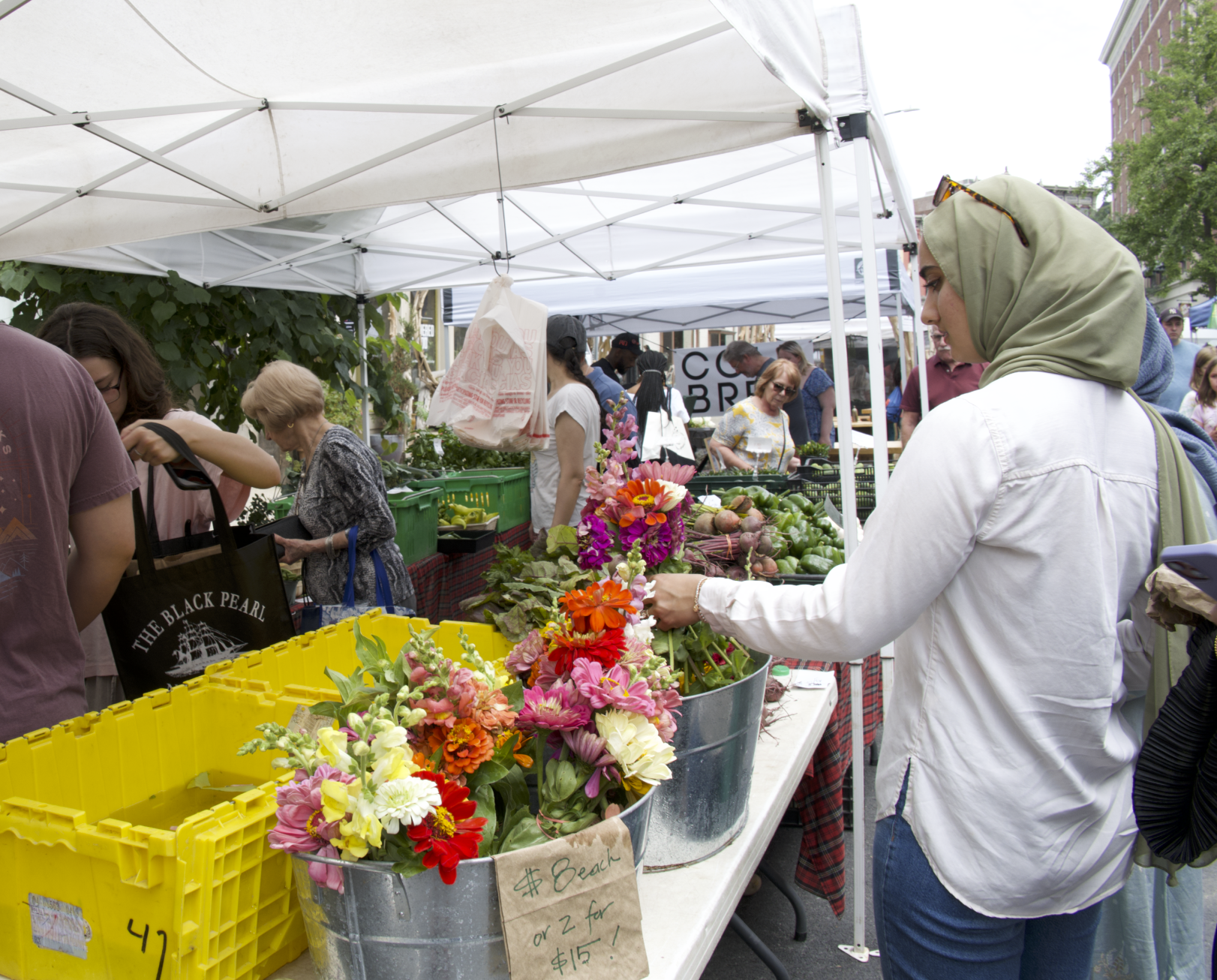
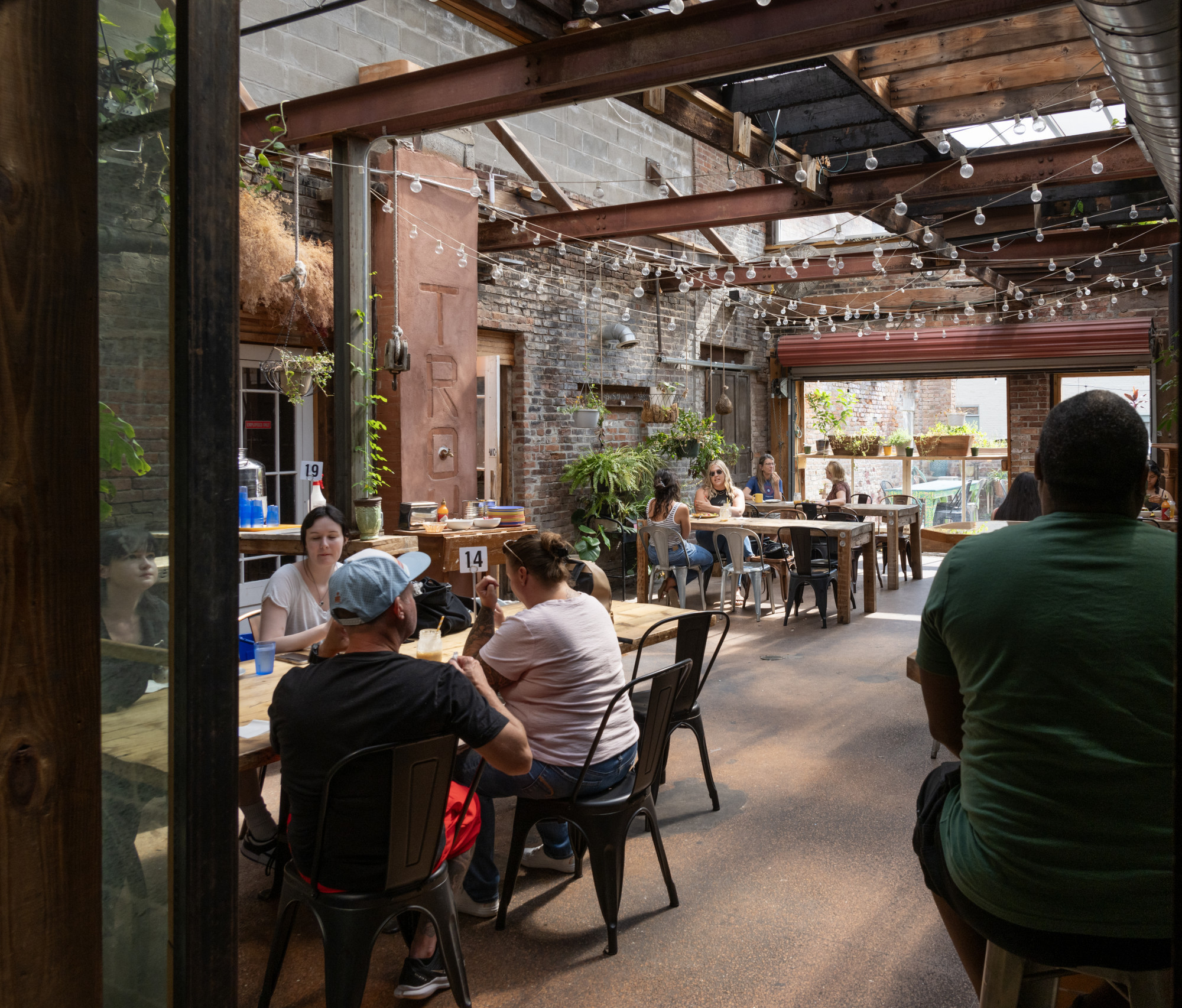
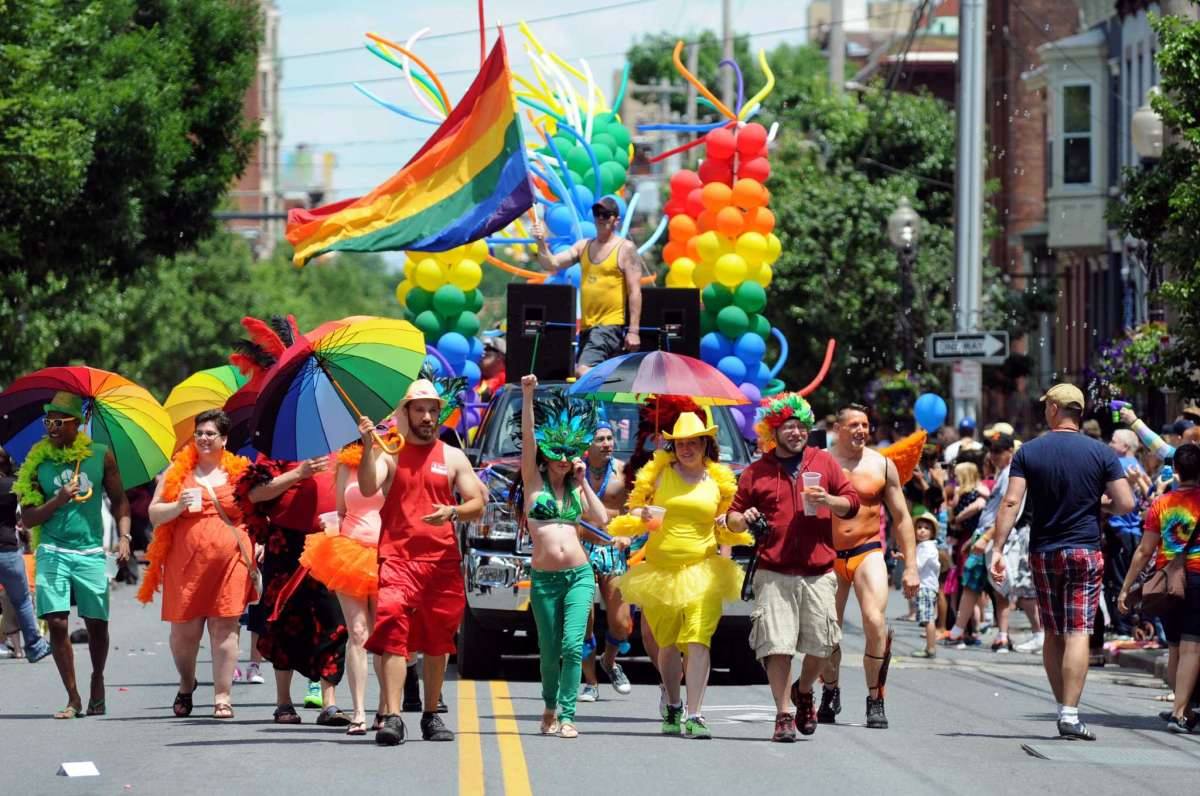
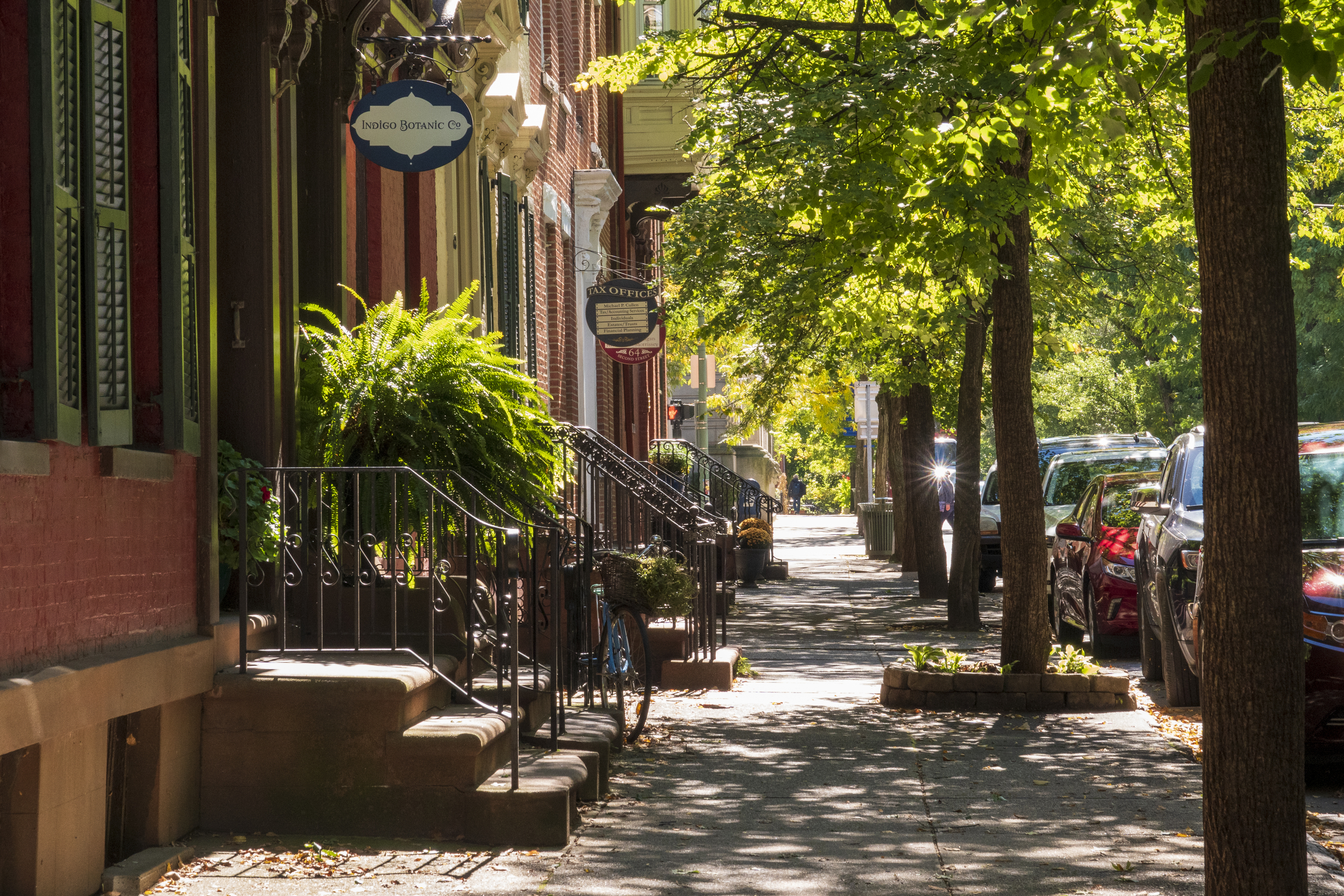
New York’s Capital Region — home to Russell Sage’s two campuses — offers a vibrant arts and design community with galleries, museums, theaters, performance venues, and cultural events.

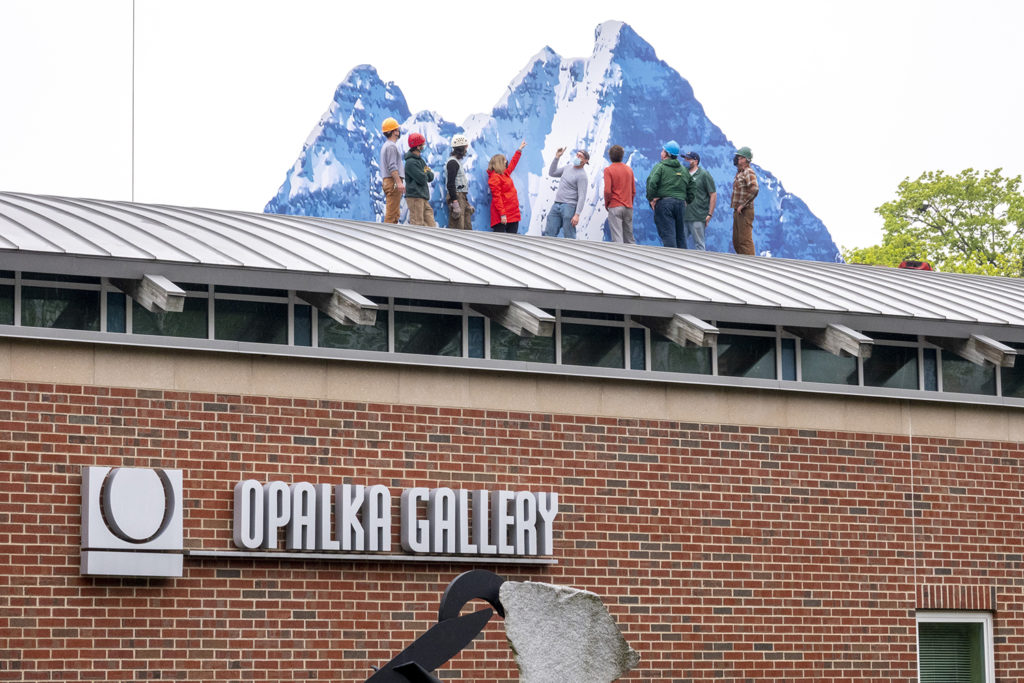
You’ll also network with Russell Sage College’s entire Art + Design department and members of Albany and Troy’s creative communities at department-sponsored Artist Lectures, Opalka Gallery programs, and other activities.

A Day in the Life at Russell Sage College

Follow Morgan as she takes us through her day as an Expressive Arts in Mental Health Major at Russell Sage College.

Affordability, Admissions, and Transferring

How to Apply

We understand that cost and value are top concerns when choosing a college. That’s why we work with every student as an individual in the admission process – whether they’re a transfer student or a student coming to us straight out of high school.
First-Year Admission

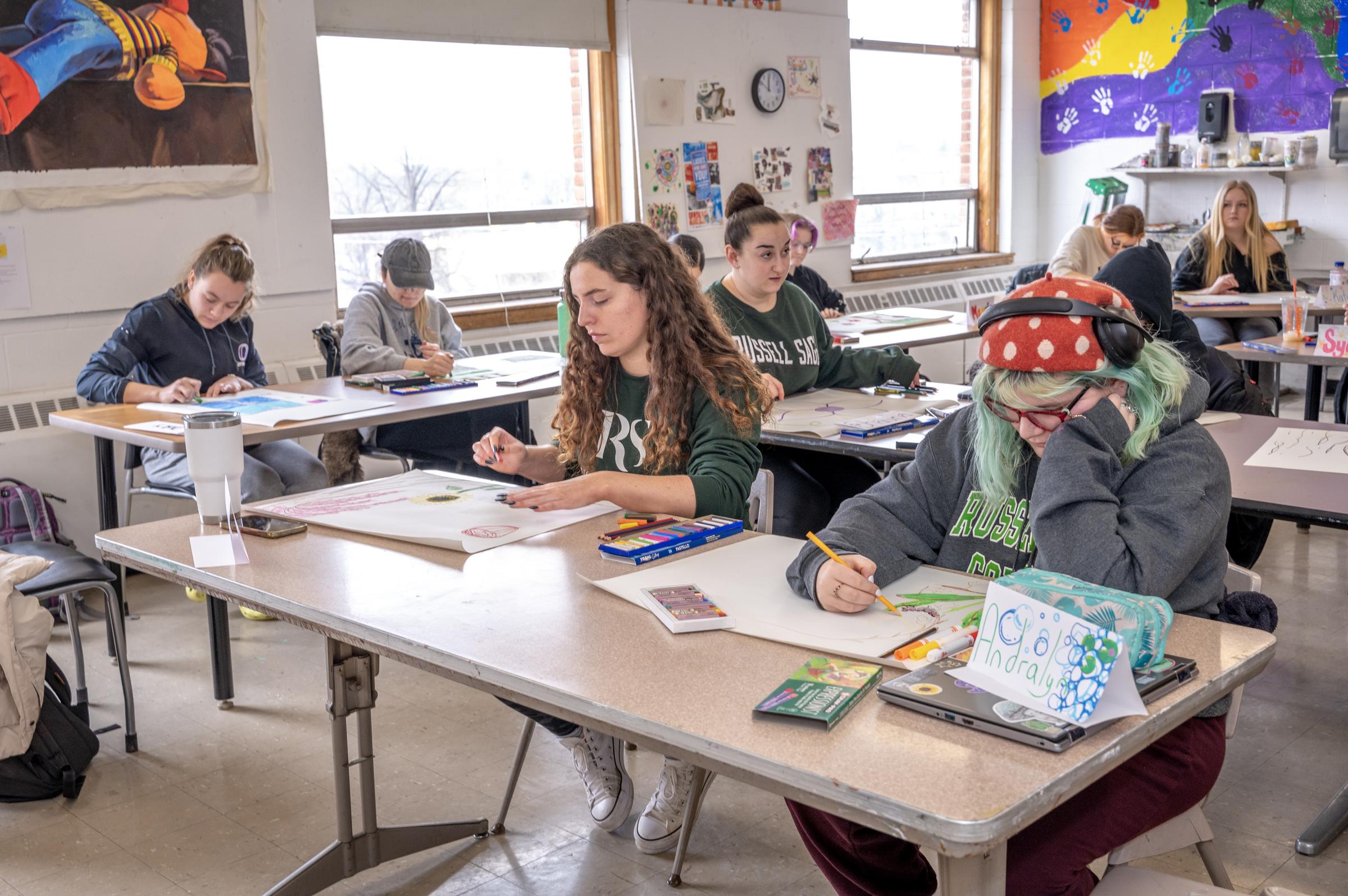
Come visit our campus, get to know our faculty and diverse student body, and even sit in on a class or two. Full application details and next steps are available through the Admissions Office.
Transfer Admission

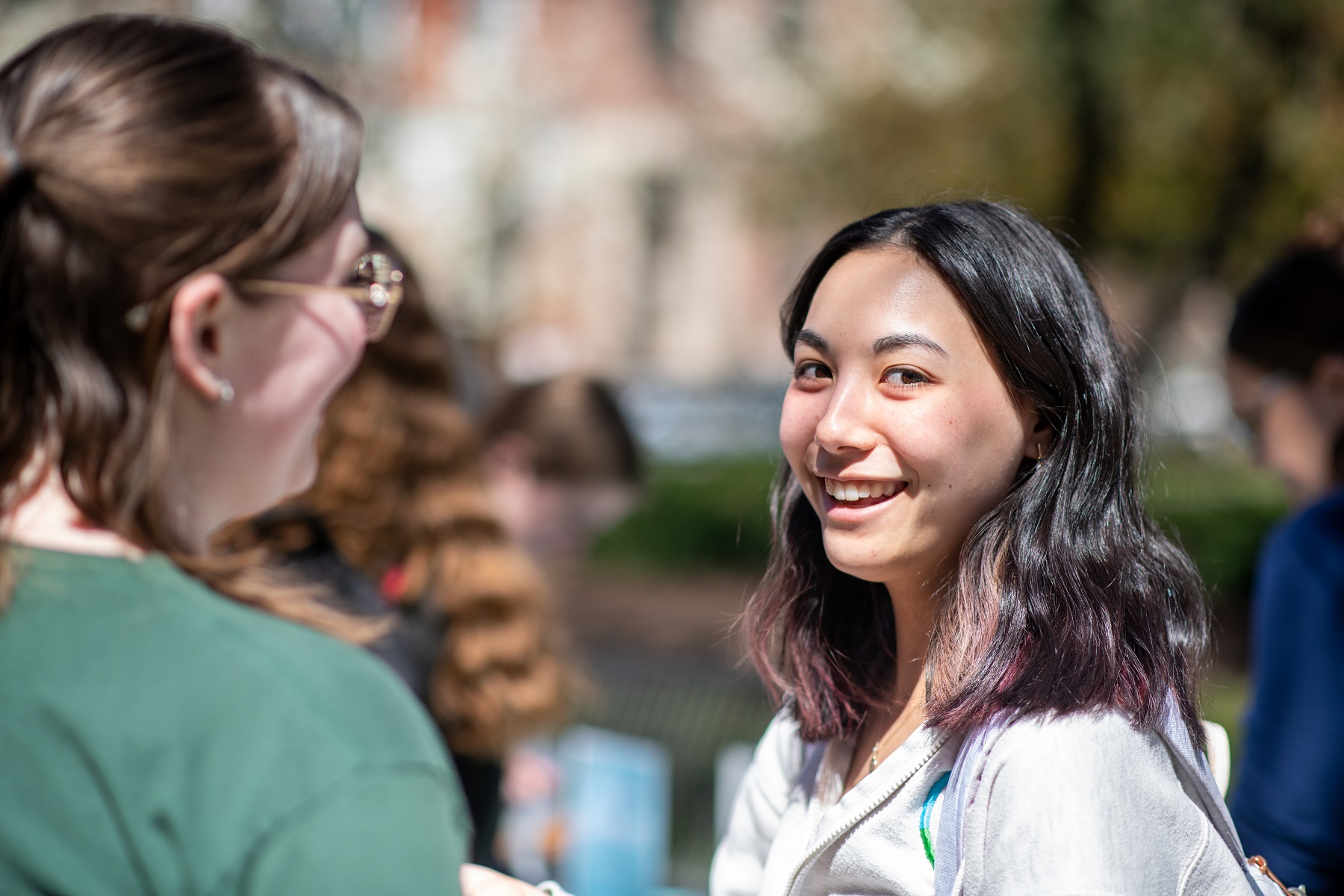
Russell Sage welcomes transfer students and provides a supportive and straightforward transfer process. We also maintain articulation agreements with community colleges to ensure your credits transfer smoothly and keep your graduation timeline on track.

What to Know about Affordability:

  • Russell Sage prioritizes college access and affordability. We have been included on U.S. News and World Report’s Best Colleges for Social Mobility list for seven consecutive years.
  • 100% of incoming, full-time undergraduates at Russell Sage receive financial aid.
  • Transfer merit scholarships are generous compared to other colleges – starting at $20,000 to $22,000 a year.
  • In many cases, Russell Sage is more affordable than SUNY or other private schools.
  • We want to make every transfer students’ credits count, just one of the reasons we’ve been named to Phi Theta Kappa’s Transfer Honor Roll for seven straight years.

Don’t forget! You have to fill out a Free Application for Federal Student Aid — or FAFSA — to receive a complete financial aid package from any college. 

What Can I Do with an Expressive Arts in Mental Health Degree?

Careers with an Expressive Arts in Mental Health Degree

A bachelor’s degree in Expressive Arts in Mental Health can lead to well-paying, high-growth career pathways where you help people use creative expression to support well-being.

Provides counseling and therapeutic support to individuals, families, or groups. Licensure requires a master’s degree and supervised clinical experience.

Demand for mental health counselors is expected to increase by 19% through 2033 (U.S. Bureau of Labor Statistics).

Why Russell Sage: Sage combines expressive arts with psychology to prepare you for the graduate study required for LMHC licensure. Sage’s M.A. in Mental Health Counseling provides a direct pathway for completing the educational requirements for LMHCs.

Use creative modalities — such as visual art, music, movement, or theatre — to support well-being. 

CareerOneStop predicts a 12% increase in opportunities for LCATs through 2034, with growing demand in hospitals, schools, rehabilitation centers, and community agencies.

Why Russell Sage: Sages’ Expressive Arts in Mental Health curriculum includes two practicums and an internship. This variety of hand-on experience introduces you to a range of career paths while you prepare for the graduate study required for licensure as a creative arts therapist.

Help people recovering from illness, injury, or disability regain skills and participate in activities that are meaningful to them. Careers require a master’s or doctoral degree in occupational therapy.

According to the U.S. Bureau of Labor Statistics, the median pay for occupational therapists is $98,340, and employment is expected to grow by 11% through 2034, much faster than average.

Why Russell Sage: You can major in Expressive Arts in Mental Health and meet the prerequisites for Sage’s master’s or doctoral programs in occupational therapy.

Facilitate creative growth for elementary, middle, or high school students.Teaching in public schools requires graduate study and state certification.

Why Russell Sage: Continue in Sage’s Master of Arts in Teaching (MAT) in Art Education, designed for students with undergraduate degrees in art or related fields. It is the only art education program in New York’s Capital Region, offering a clear educational pathway to certification.

Support individuals and families by connecting them with resources, coordinating services, and advocating for their needs.

Roles in human services and social support fields continue to show steady demand.

Why Russell Sage: Expressive Arts in Mental Health majors develop strong communication, observation, and interpersonal skills through hands-on coursework and field experiences. 

“Witnessing the role that art can play in supporting mental health has inspired me to encourage all of my clients to engage in creative expression as part of their healing process.”

Raylynne Kuhn ’24,
Anti-trafficking case manager, Safe, Inc. of Schenectady.

Alumni Career Outcomes

Meet the students and graduates building success with an Expressive Arts in Mental Health degree.

Learn from Our Experienced Faculty

Personal advising, experienced faculty

Art + Design faculty members write and illustrate books, participate in juried art exhibitions and contribute to attention-getting design projects — but you will find that they are supportive teachers, first. Russell Sage College is a small school, so your professors get to know you and your goals.

Assistant Professor, Expressive Arts in Mental Health
Lecturer of Expressive Arts in Mental Health

Frequently
Asked Questions

Yes! Russell Sage does accept transfer students to its Expressive Arts in Mental Health program, and maintains several articulation agreements with two-year colleges to guarantee admission for qualified students. Also good to know: Russell Sage is on Phi Theta Kappa honor society’s Transfer Honor Roll, listing colleges that provide an exceptionally smooth transfer experience.

If you do begin at a community college, it is helpful to choose one with articulation agreements with four-year BFA programs. These agreements can make it easier to transfer credits and stay on track with the expected course sequence.

Sage has articulation agreements with several two-year colleges to guarantee admission to the Expressive Arts in Mental Health program for qualified students. Russell Sage College has articulation agreements with:

As an Expressive Arts in Mental Health major, you’ll take a combination of expressive arts, psychology, and hands-on practicum courses. The program includes a core set of Expressive Arts in Mental Health classes focused on creative approaches to well-being, along with required psychology courses and visual arts coursework. You’ll also choose electives to explore your specific interests in visual or performing arts.

This interdisciplinary structure helps distinguish an Expressive Arts in Mental Health major from psychology, alone by pairing psychological theory with creative practice and applied experience.

Yes! You can get hired in a variety of roles with a bachelor’s in Expressive Arts in Mental Health. Recent grads from Russell Sage’s program have been hired as a job coach, corporate wellness program administrator, and nursing home activities aide.

Therapeutic, clinical, and counseling roles do require a master’s degree or higher, however.

Ready to get started?

Got questions or need a hand? Get in touch, we are happy to help!
Contact Admission

Beth Carlin
Assistant Director of Undergraduate Enrollment Management

Take the Next Step

It's time to take the next step. Choose yours below.