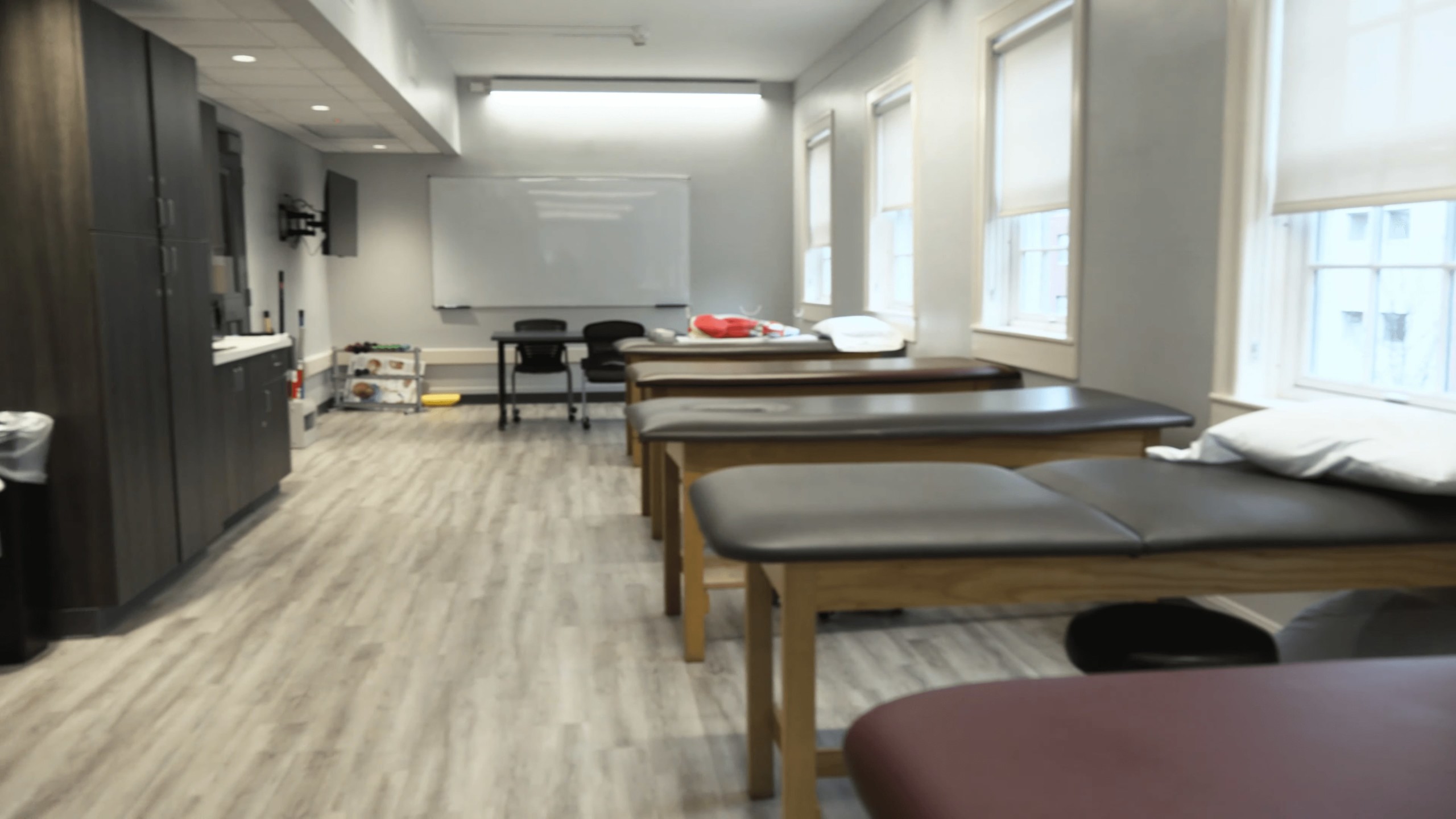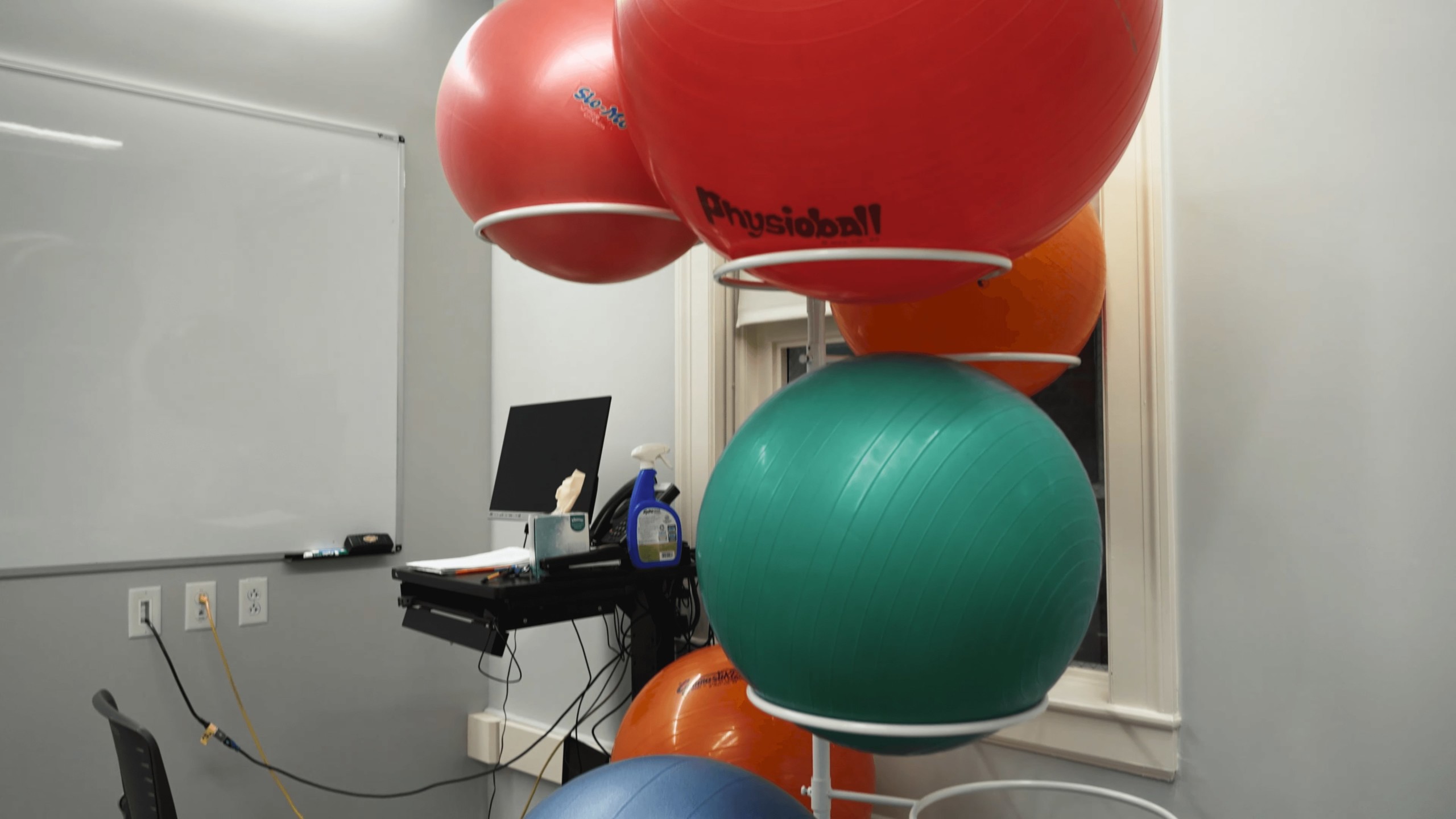

Occupational Therapy Hand Classroom

Become a doctorally-prepared licensed Occupational Therapist

Occupational therapists help individuals who are recovering from an illness or an injury to return to activities that are important to them. Individuals with a doctorate in occupational therapy have additional opportunities to take on leadership roles in health care practices and policy organizations or join the faculty of occupational therapy education programs.

Specialties in our Occupational Therapy Doctoral program

We’ve got a lot to brag about as the most comprehensive college for Health Sciences professional programs in the region, including opportunities to interact with other healthcare fields. Several professors hold advanced certification in pediatrics, neurodevelopmental treatment, physical rehabilitation, hand therapy, or other areas.

Russell Sage College’s entry-level occupational therapy doctoral degree program was the first of its kind in New York state, and it is accredited by the Accreditation Council for Occupational Therapy Education of the American Occupational Therapy Association.

We include more Level-I fieldwork than other programs, so you’ll begin making connections between courses and professional practice almost immediately.

Our academic fieldwork coordinator will help match you with fieldwork, and our low student-to-faculty ratio means professors get to know you, and serve as mentors throughout your education and even as you start your career.

In addition to working with patients, individuals with a doctorate in Occupational Therapy are prepared to eventually pursue leadership roles in healthcare practices or educational settings.

Four physical rehab courses, mental health throughout fieldwork, and two types of placements for Level-II fieldwork will help you become a highly marketable professional, with a lifespan approach to OT practice.

  • Anatomy & Physiology I and II, with labs. Note that a 3.0 average in Anatomy & Physiology I and II is required for admission.
  • Introduction to Psychology/General Psychology
  • Human Development/Lifespan Development
  • Abnormal Psychology
  • Statistics
  • 3 credits of Sociology or Anthropology
  • Medical Terminology
  • Physics recommended

  • Official transcripts from all the post-secondary institutions attended
  • Two letters of recommendation
  • A one- to two-page essay identifying your area of interest for the OTD capstone experience: We want to hear your voice. Russell Sage College values authenticity, critical thinking, and personal expression. We ask that all application essays be written solely by the applicant with only ethical use of AI technology, such as tools that support but do not generate content.
  • A current resume
  • Documentation of at least 40 hours of clinical observation under the supervision of an occupational therapist
  • Academic Standards Form
  • Prerequisite Form
  • OTD Admission: Students with a bachelor’s degree who have fulfilled the prerequisites for our OTD program should submit an RSC graduate school application and supporting materials by February 1. View OTD Admission requirements and application instructions.
  • OTD Preferred Admission: We have agreements with several undergraduate colleges, to offer preferred acceptance to qualified students who wish to pursue an OTD at Sage. Please review our articulation agreements with partner colleges to learn more about OTD preferred admissions.

Course Requirements

Credits and Completion

View the 94-credit entry-level occupational therapy doctoral degree program at Russell Sage College course details, fieldwork requirements, and doctoral capstone experience information.

The Russell Sage College entry-level occupational therapy doctoral degree program is accredited by the Accreditation Council for Occupational Therapy Education (ACOTE) of the American Occupational Therapy Association (AOTA), located at 7501 Wisconsin Avenue, Suite 510E Bethesda, MD 20814. ACOTE’s telephone number is 301-652-6611; its web address is www.acoteonline.org; and its email address is accred@aota.org. Graduates of the program will be eligible to sit for the national certification examination for the occupational therapist administered by the National Board for Certification in Occupational Therapy (NBCOT). After successful completion of this exam, the individual will be an Occupational Therapist, Registered (OTR). In addition, all states require licensure in order to practice; however, state licenses are usually based on the results of the NBCOT Certification Examination. Note that a felony conviction may affect a graduate’s ability to sit for the NBCOT certification examination or attain state licensure.  

Graduation Rate

The Occupational Therapy Doctoral Program at Russell Sage College, which is accredited by the American Occupational Therapy Association (ACOTE), has achieved a 100 percent pass rate on the National Certification Exam in all graduating classes (2022-2024), according to the National Board for Certification in Occupational Therapy. Program results from the National Board for Certification in Occupational Therapy (NBCOT) are posted online at School Performance.

Graduating cohorts of the Doctor of Occupational Therapy program are reported as a percentage of students who progressed to graduation (the number of students graduating divided by the number of students who entered the program). While the majority of students enroll in the program full-time, some choose a part-time track.*

Graduation YearStudents Entering/GraduatingGraduation Rate
20236/6100%
20247/7100%
202512/12100%
Total/Graduating25/25100%

* Some students who entered the program part-time in these years are still working toward their degrees.

The Russell Sage College Occupational Therapy program encourages students to be self-directed and engaged actively in their learning. The program provides opportunities for reflective practice and critical inquiry with vibrant problem solving. We emphasize experiential learning that builds occupation-based clinical reasoning practices explicitly linking the person, environment and occupation. Our graduates will occupy diverse workforce roles and contribute to the health and well-being of individuals, populations and society.

The occupational therapy curriculum emphasizes the person, environment and occupation relationship and incorporates an experiential approach that focuses on students engaging as active learners. Foundation and upper level clinical courses promote an understanding of the dynamic relationship between health, well-being and occupational engagement for a person’s ability to participate in valued life activities and roles. Students are immersed in learning opportunities to both promote clinical reasoning skills and develop a systemic view of health and service delivery systems.

Russell Sage College’s 94-credit doctoral program in Occupational Therapy prepares occupational therapists with advanced skills via classes, fieldwork and a capstone experience centered around the foundations of occupational therapy; therapeutic evaluations and interventions; professional identity and responsibility and leadership. The program prepares students for the certification exam administered by the National Board for Certification in Occupational Therapy (NBCOT), which leads to national certification and eligibility for state licensure as an occupational therapist.

Personal advising, experienced faculty

Our doctorate program comes with a deep, Russell Sage-level of support from an assigned faculty advisor who works with you to ensure your success.
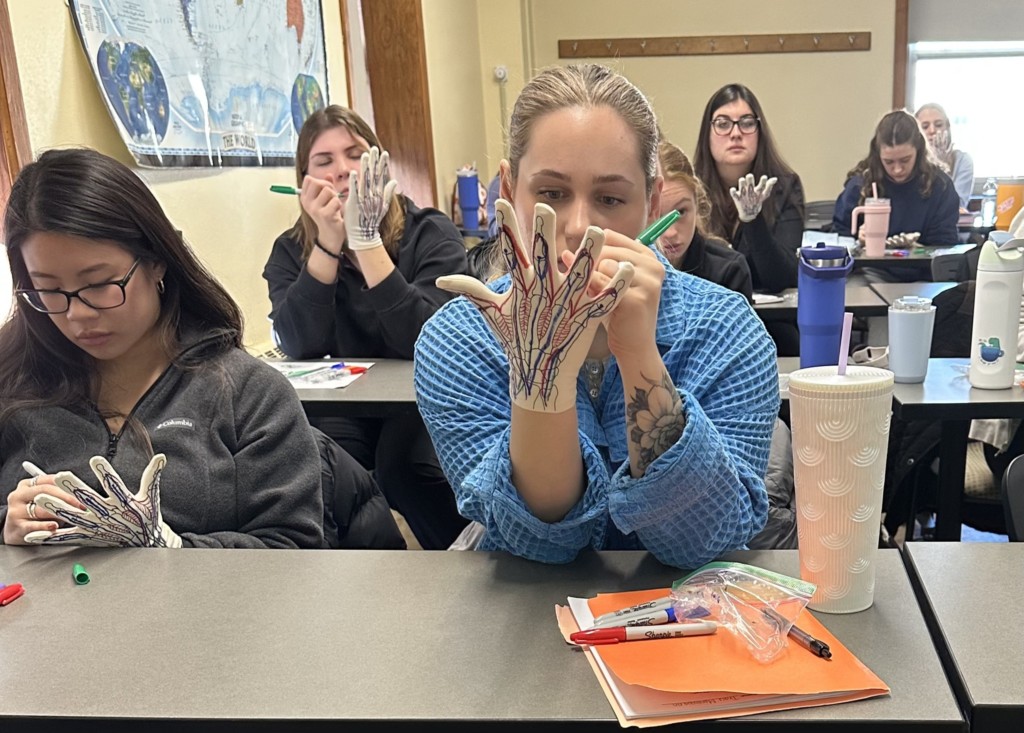
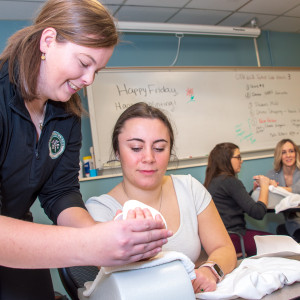
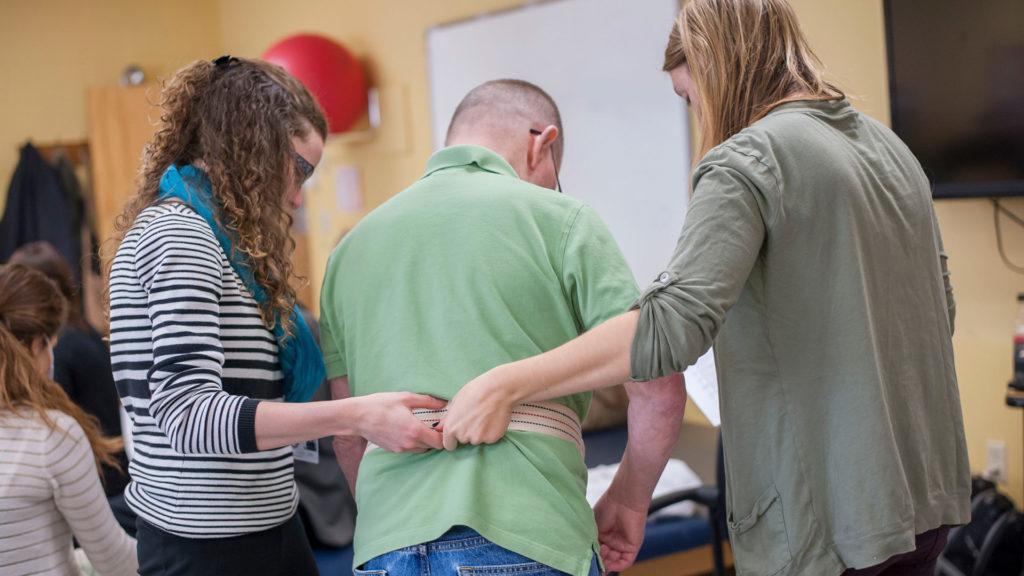
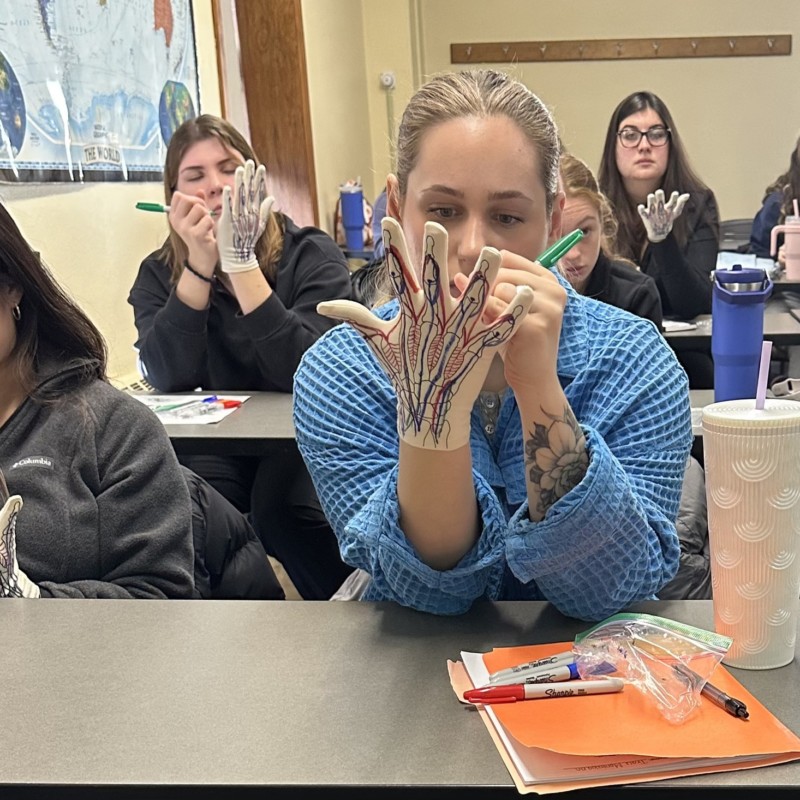
Students from Sage's graduate occupational therapy programs in an OT lab.

Your Future Career with a Doctorate in Occupational Therapy

Upon completing your Occupational Therapy doctoral degree, you’ll be eligible to take the certification exam administered by the National Board for Certification in Occupational Therapy, which leads to national certification and eligibility for state licensure.

Alumni of our Occupational Therapy graduate programs hold clinical and leadership roles in hospitals, rehabilitation centers, nursing homes, schools, private practice and community agencies across New York state and around the country. Recent employers include Albany Medical Center, St. Peter’s Health Partners, Capital District Beginnings, Anderson Center for Autism, United Health Services, and Metro Therapy.

Learning Experiences

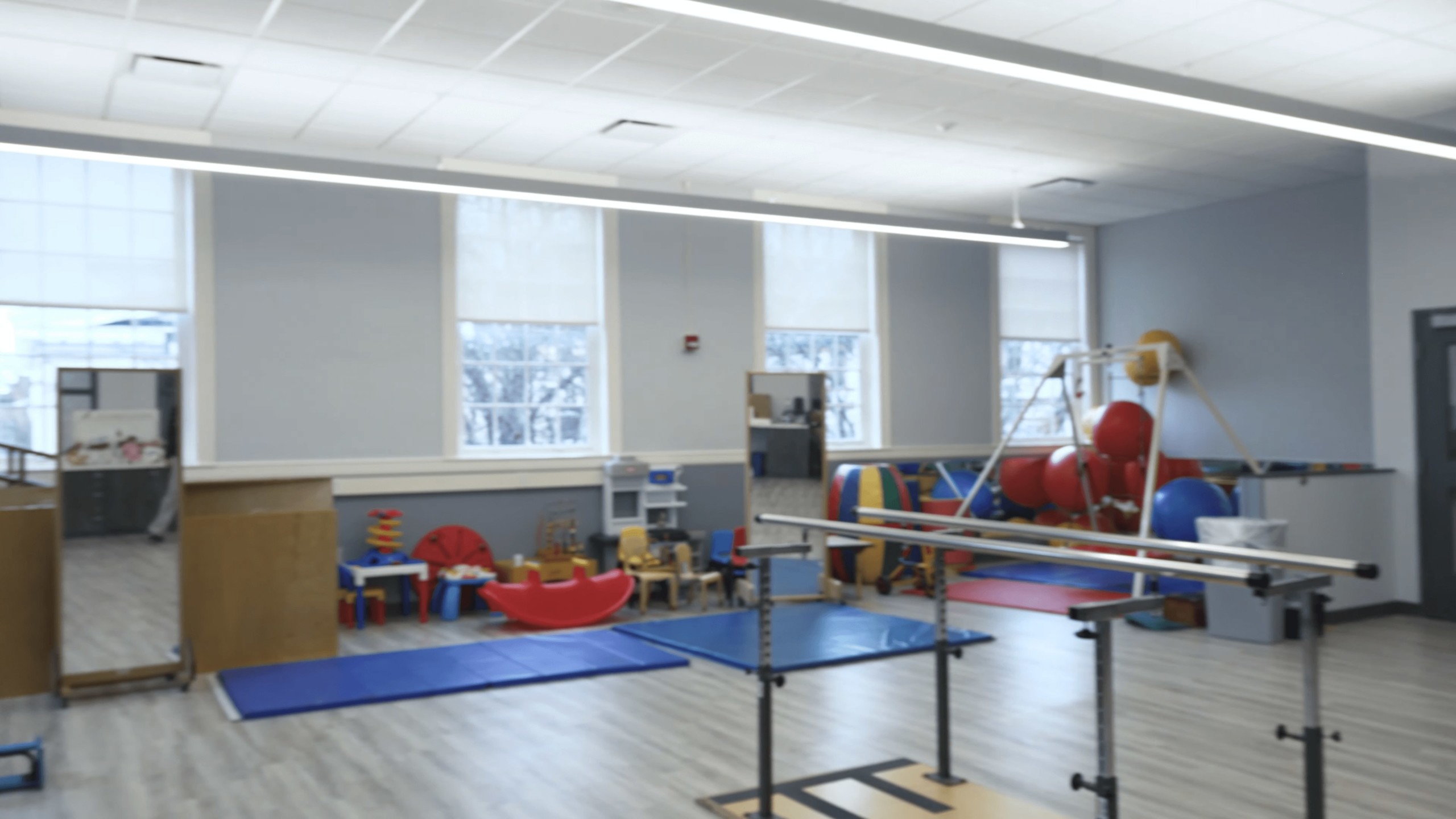
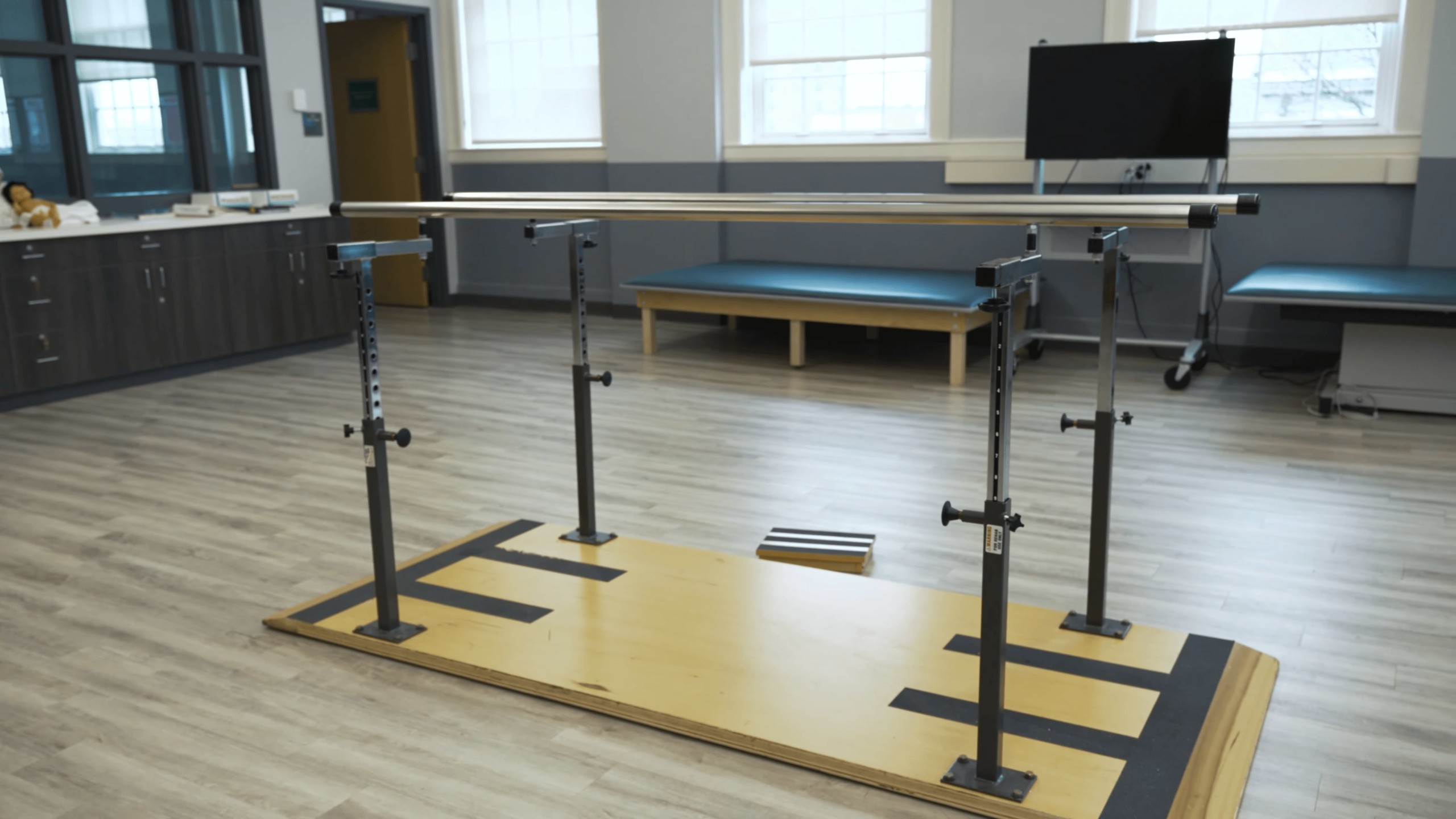
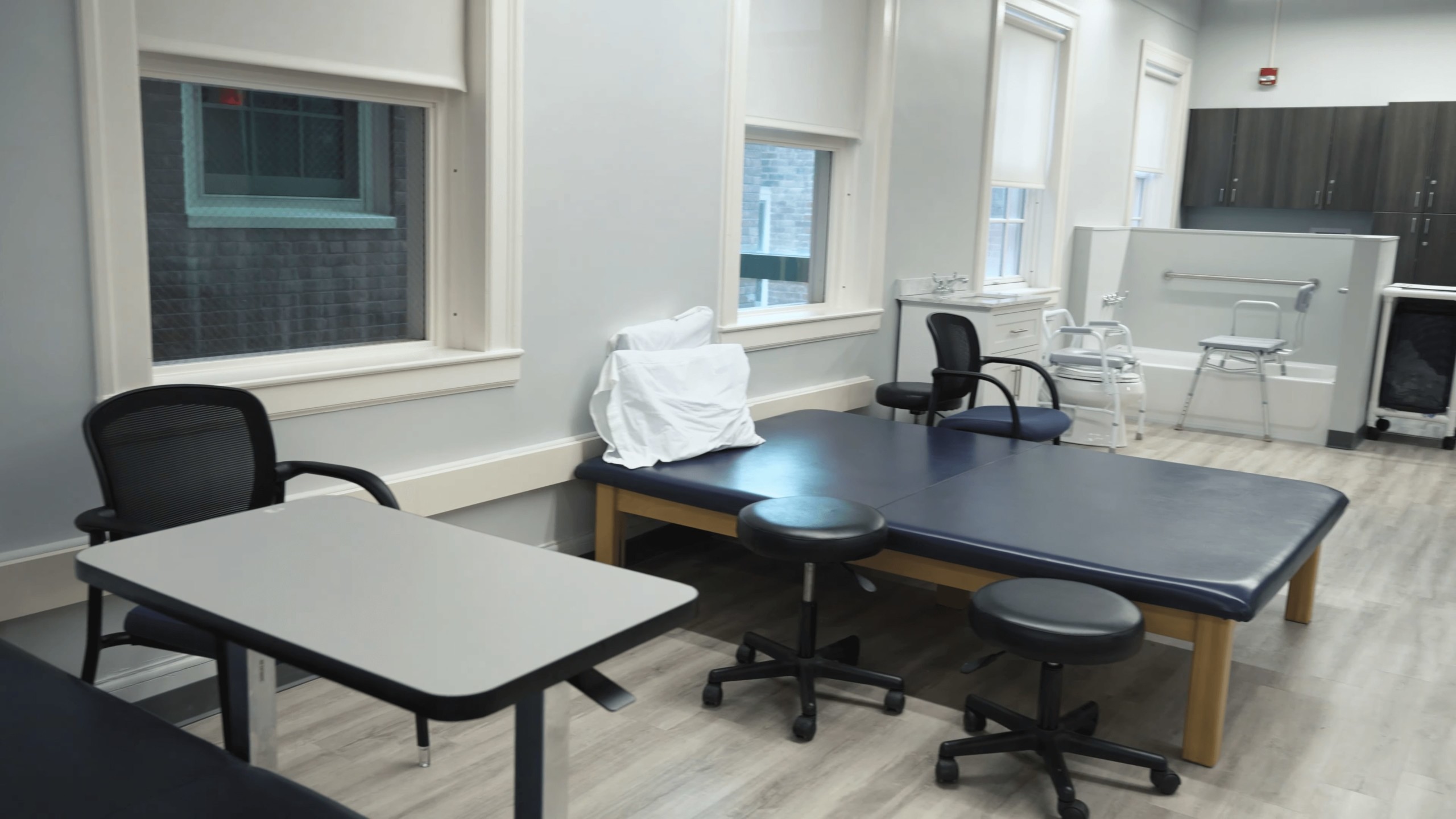
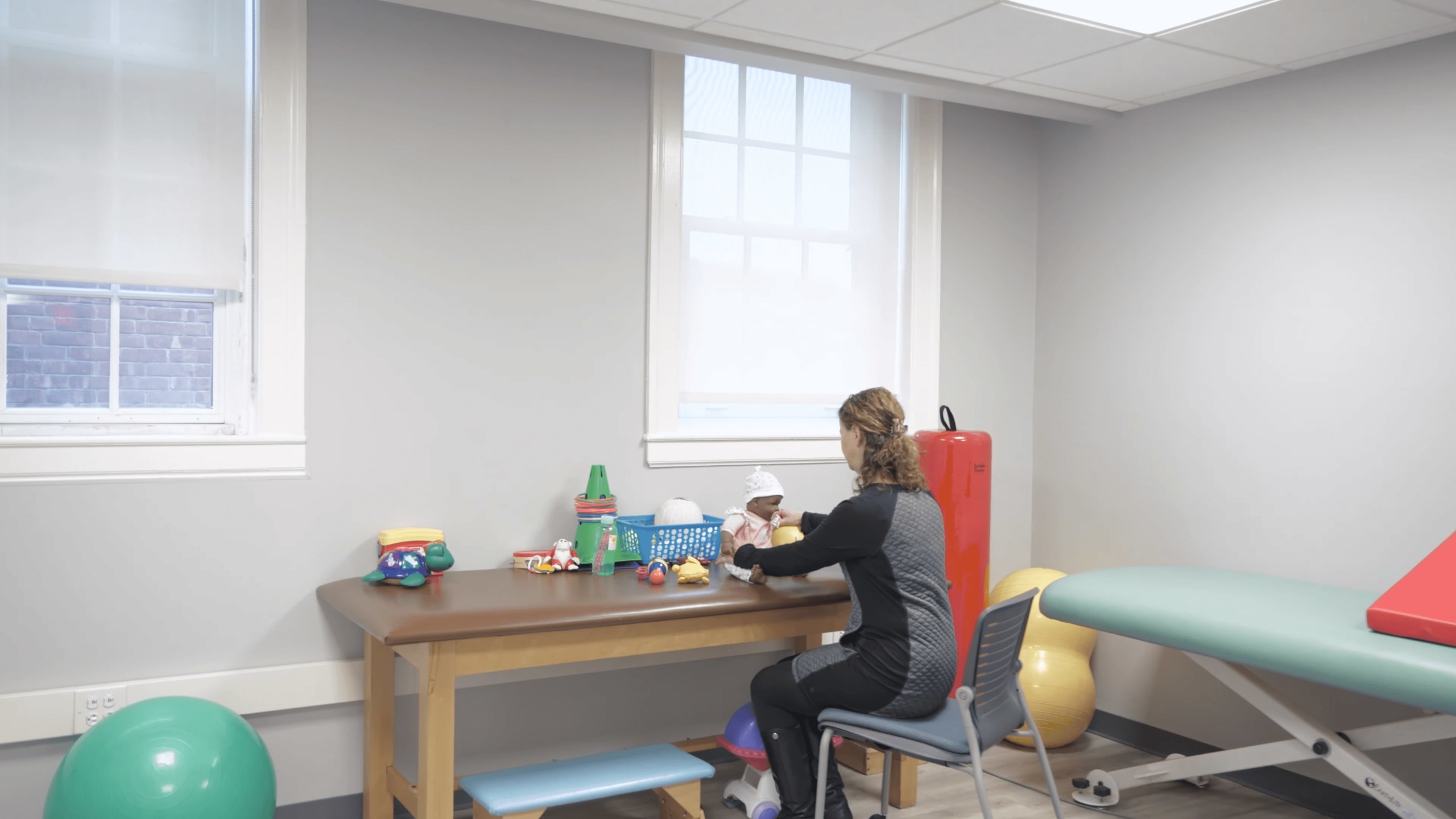
As a student in our doctorate program in Occupational Therapy, you’ll learn in well-equipped OT labs on campus, work with real people with real medical issues in the community and complete a doctoral-level capstone experience.

Fieldwork and Capstone Experience

As an Occupational Therapy doctoral degree candidate, you will work therapeutically with clients under the supervision of licensed occupational therapists during five fieldwork experiences: three multi-week placements in clinical and simulated settings connected with your first and second-year coursework, and two full-time, 12-week fieldwork experiences with responsibilities leading to those of an entry-level occupational therapist.

More than 400 clinical sites throughout the country host our Occupational Therapy students for fieldwork experiences.

You will also design and complete a 14-week doctoral capstone experience that combines experiential learning, scholarship, and professional service in one or more of the following areas: clinical practice skills, research skills, administration, leadership, program and policy development, advocacy, education or theory development.

Professional Development

Sage’s Health Sciences programs stress interprofessional education and create opportunities for future occupational and physical therapists, nurses, dietitians, mental health professionals and others to learn together, in preparation for roles on interprofessional health care teams. Our department has a leadership role in three interprofessional conferences each year, which attract hundreds of health sciences students from Sage and other colleges.

We also have an award-winning chapter of Pi Theta Epsilon, the national honor society for Occupational Therapy students.

OTD Tuition and Fees

Cost of Attendance Doctor of Occupational Therapy Program 2025-2028
Year 1Year 1 TotalYear 2Year 2 TotalYear 3Total Yr 3Program total
FallSpringSummerFallSpringSummerFallSpring
# Credits1716161595792194
Cost per semester16,66015,68032,34015,68014,7008,82039,2004,9006,8608,82020,580$92,120
Student Fees/yr850850850$2,550
Supplies & Book/yr750750750$2,250
Total Cost$33,940$40,800$22,180$96,920
*Cost of Attendance is subject to change.

Frequently Asked Questions – Doctor of Occupational Therapy (OTD) 

A Doctor of Occupational Therapy (OTD) degree is the highest-level clinical degree for new occupational therapists. You can go directly from a bachelor’s into an OT doctoral program, without earning a master’s first.

At Russell Sage, the OTD degree program includes additional training in leadership skills, opportunities for fieldwork, and the preparation and execution of a doctoral capstone project focused on one of the following:

  • Clinical practice skills
  • Research skills
  • Administration
  • Leadership
  • Program and policy development
  • Advocacy
  • Education
  • Theory development

Students who choose to earn doctoral degrees may enjoy employment advantages in the Capital Region job market. As of 2025, occupational therapists are not required to hold doctoral degrees. However, some jobs recognize and prefer the additional research and leadership skills that are developed during doctoral preparation, which can present an advantage for new OTs beginning their careers.

The OTD degree is a clinical degree that prepares graduates for licensure and employment as entry-level occupational therapists. More than half of occupational therapists work in either hospital or private clinic settings, collaborating with patients, caretakers, and other healthcare professionals in their treatment plans. Although entry-level OTs tend to work directly with patients, OTD graduates may quickly earn leadership opportunities, or they may choose to start their own practices, leveraging both clinical and entrepreneurial skills.  

The job outlook for occupational therapists in the U.S. is very strong. According to the U.S. Bureau of Labor Statistics (BLS), the demand for occupational therapists is expected to increase by 14% between 2024 and 2034, which is much faster than the average for all professions and represents more than 22,000 new jobs across the country. The state of New York employs the third most OTs of any other state, behind only California and Texas.  

Admissions to the OTD program at Sage are dependent on earning a minimum 3.0 GPA for undergraduate coursework, the completion of quantitative science courses, and fully completing the application process.  

The academic course prerequisites for the Sage OTD program include:  

  • Anatomy & Physiology I and II (with labs) 
  • Introduction to Psychology or General Psychology
  • Human Development/Lifespan Development  
  • Abnormal Psychology
  • Statistics
  • Sociology or Anthropology
  • Medical Terminology
  • Physics (not required but recommended) 

Applicants to the OTD program must submit transcripts from all post-secondary institutions they have attended, two letters of recommendation, an essay identifying an area of interest for their capstone project, a resume, and documentation supporting the completion of at least 40 hours of clinical observation under the supervision of a licensed occupational therapist. Applicants are also subject to an interview process before receiving an offer of admission to the OTD program. The program offers rolling admissions, but all accepted applicants must start the program in the fall semester.  

The Sage Occupational and Physical Therapy lab spaces in the John Paine Building opened in the fall of 2024 and offer an effective and convenient space to explore different aspects of occupational therapy practice. Specialized facilities include a pediatrics lab, an adult rehabilitation lab, an upper extremity therapy lab, and seminar and study rooms for OTD student use.  

Faculty members are a key resource for the OTD program, and many professors hold advanced OT certifications in various specializations, including pediatrics, neurodevelopmental treatments, physical rehabilitation, and hand therapy. Students in the OTD program will also have the opportunity to participate in more Level I fieldwork than comparative programs at other universities, which results in more hands-on experience to connect coursework to clinical application as soon as practical.  

In addition to providing state-of-the-art facilities and ranking as the Capital Region’s premier institution for health professions, Russell Sage offers students in the OTD program the chance to learn from and collaborate with colleagues across a broad spectrum of health professions. 

Students who graduate with an Occupational Therapy Doctorate degree are eligible to take the OT certification exam as administered by the National Board for Certification in Occupational Therapy (NBCOT), which is required for licensure in New York. The NBCOT offers an exam handbook and study materials for the certification exam, although graduates of an OTD program will already have a strong foundation to build on for the exam.  

In New York,1 occupational therapists are licensed through the New York State Education Department Office of the Professions. In addition to passing the NBCOT exam (with a minimum score of 450), applicants must be at least 21 years old, possess good moral character, and submit a licensure fee of $297.  

After practicing as an occupational therapist for at least three years, OTD graduates may choose to seek board certification from the American Occupational Therapy Association (AOTA), which offers certification in pediatrics, gerontology, and physical rehabilitation.  

Yes, there are opportunities for research and leadership development within the Sage OTD program. Students in the OTD program engage in fieldwork with patients while also developing leadership skills to pursue advanced roles in healthcare practice or education. OTD students are required to complete two professional research courses (Professional Research I and Professional Research II), which helps them learn and practice research methodologies that focus on data analysis, writing, and reporting skills.  

In addition to completing a required Advocacy, Leadership, and Education course, OTD students will also complete a capstone experience in the spring of the third year of their program. They can choose to design their experience based on one or more of the following areas, depending on their interests and career goals:  

  • Clinical practice skills 
  • Research skills 
  • Administration
  • Leadership 
  • Program and policy development
  • Advocacy  
  • Education
  • Theory development 

Graduates of the Sage OTD program are well-prepared to take on leadership roles as occupational therapists and will have a strong foundation to grow in both clinical and research positions.  

Need help?
Contact us for questions about our MSOT and OTD programs.

518-244-2266

Take the Next Step

It's time to take the next step. Choose yours below.