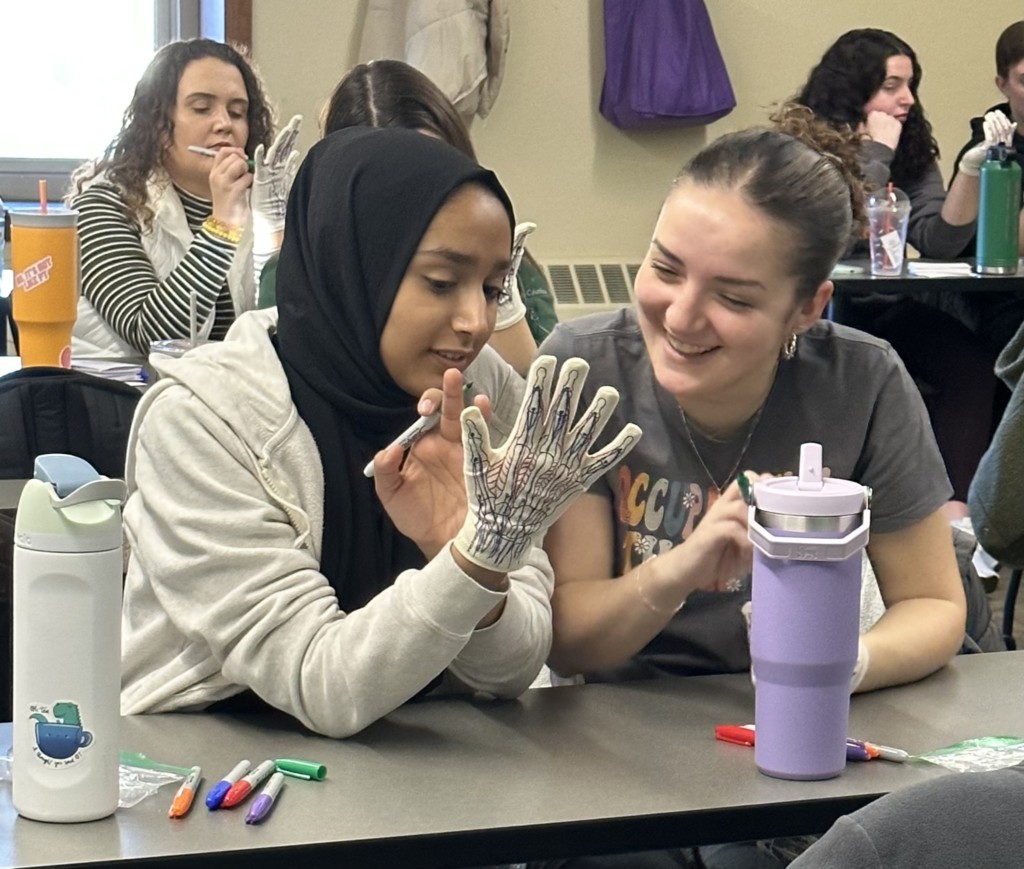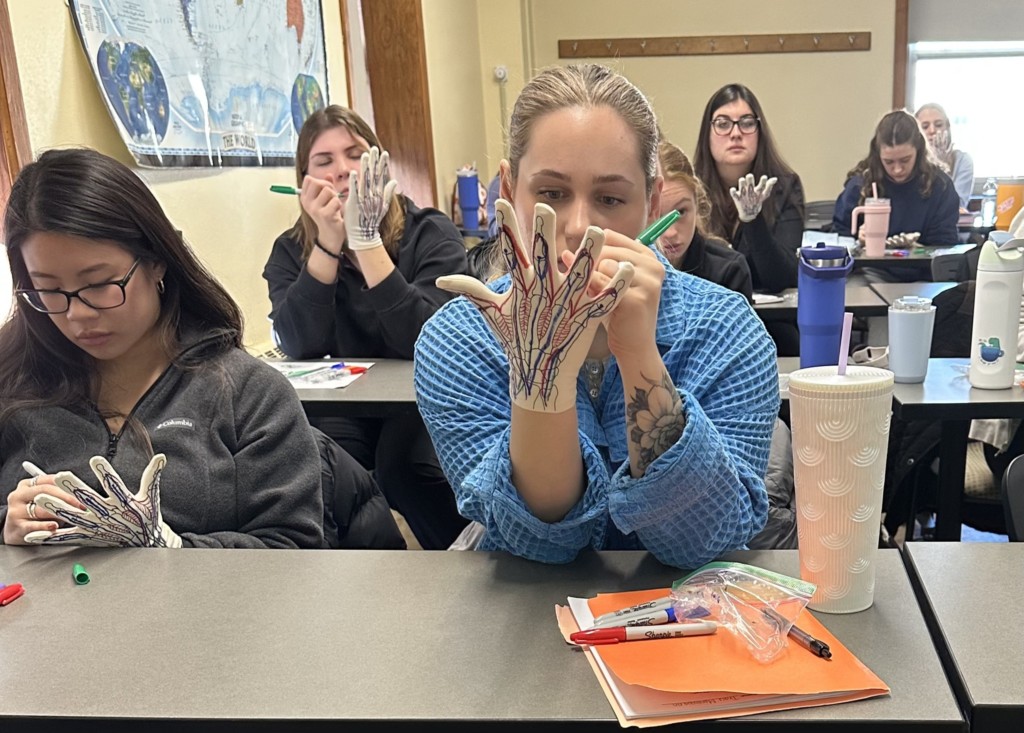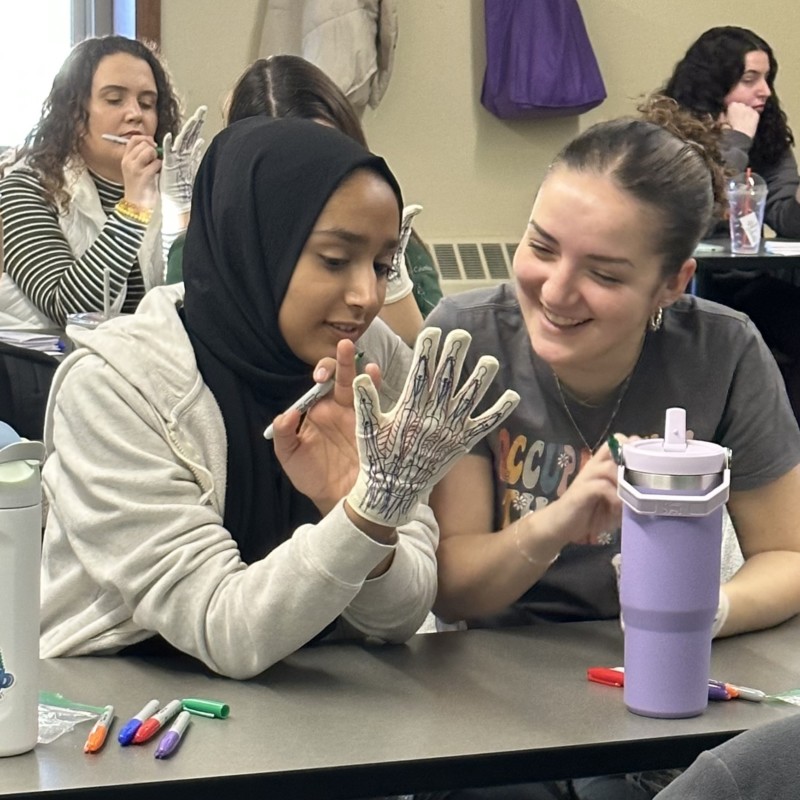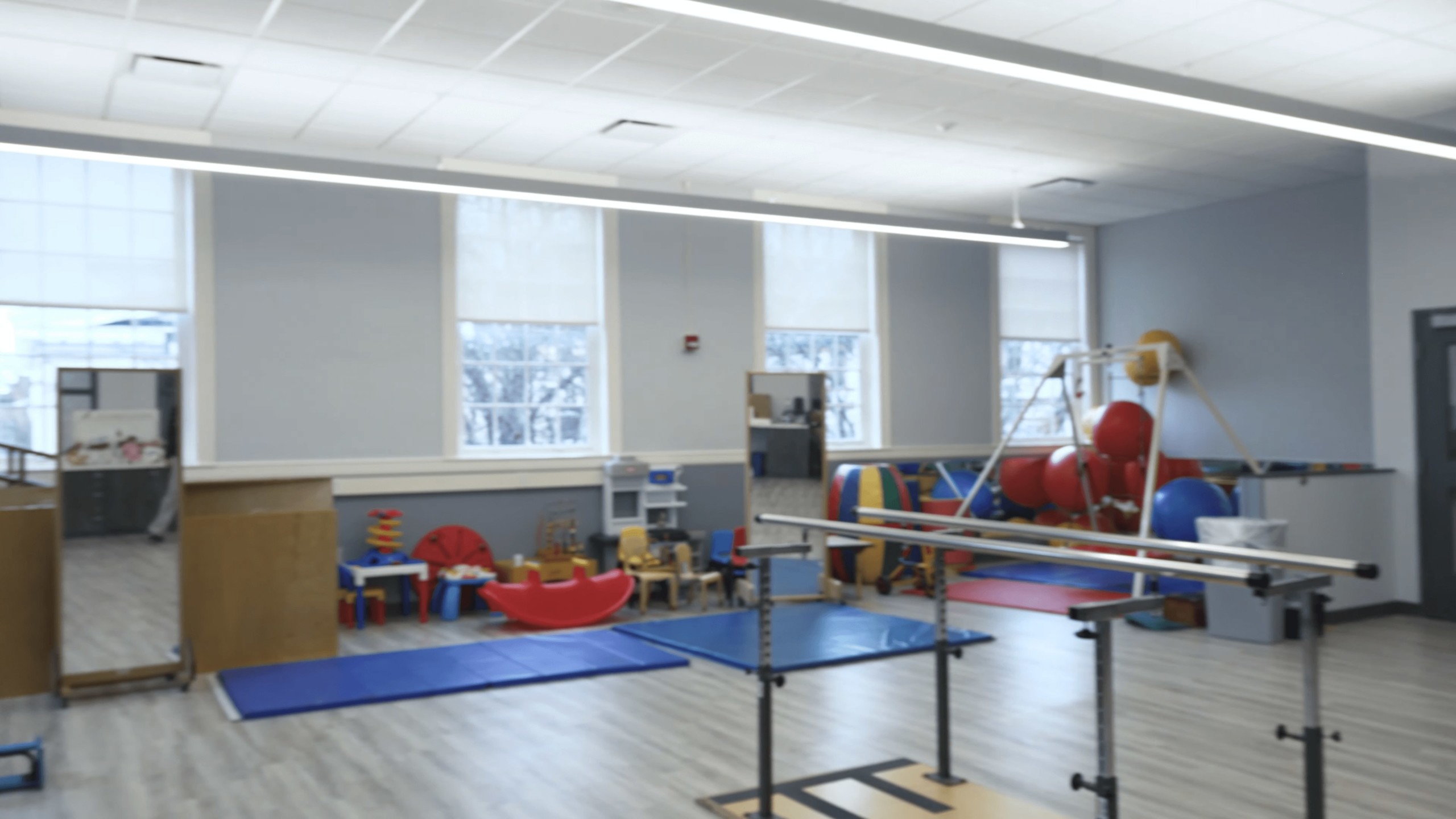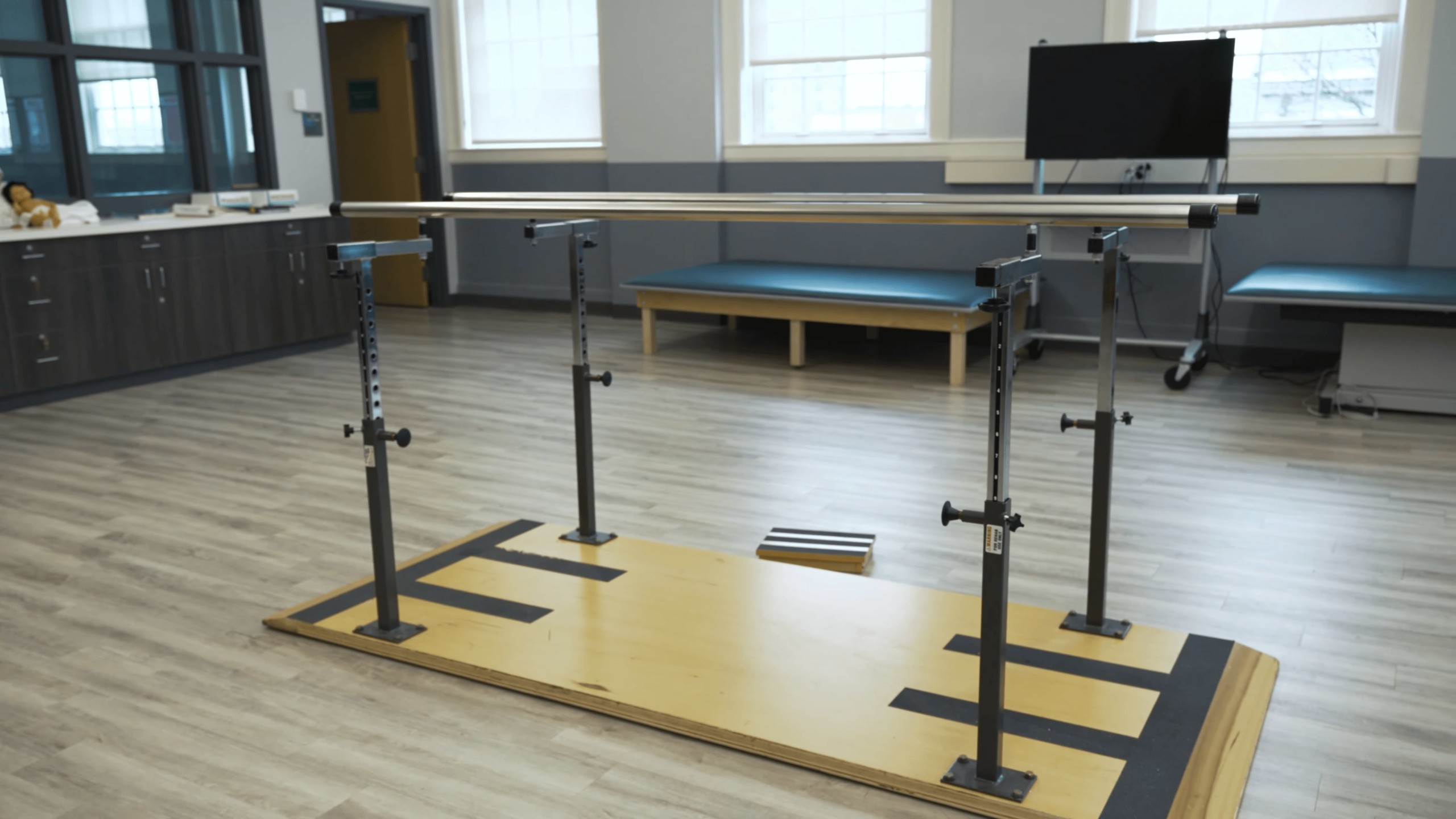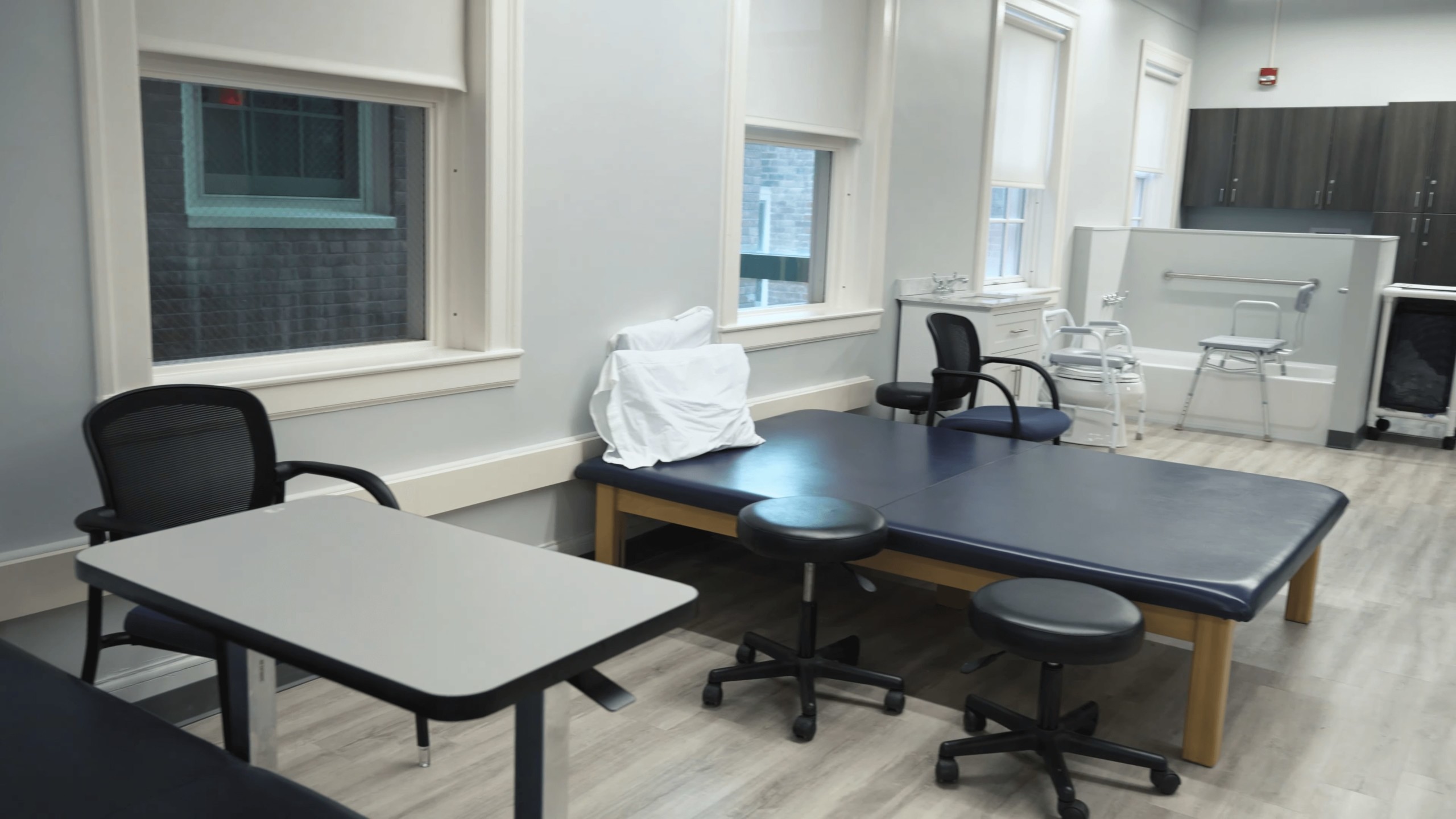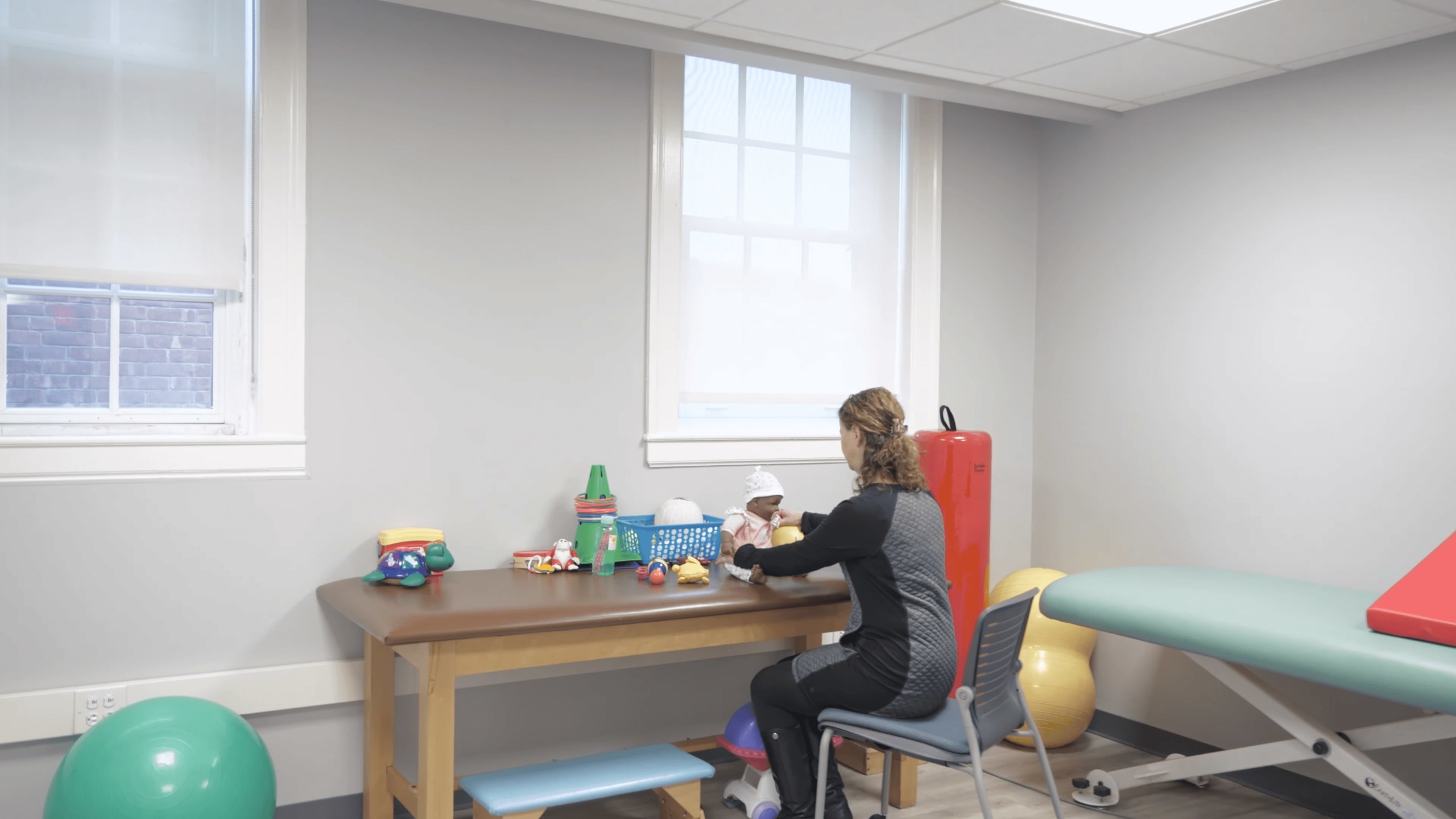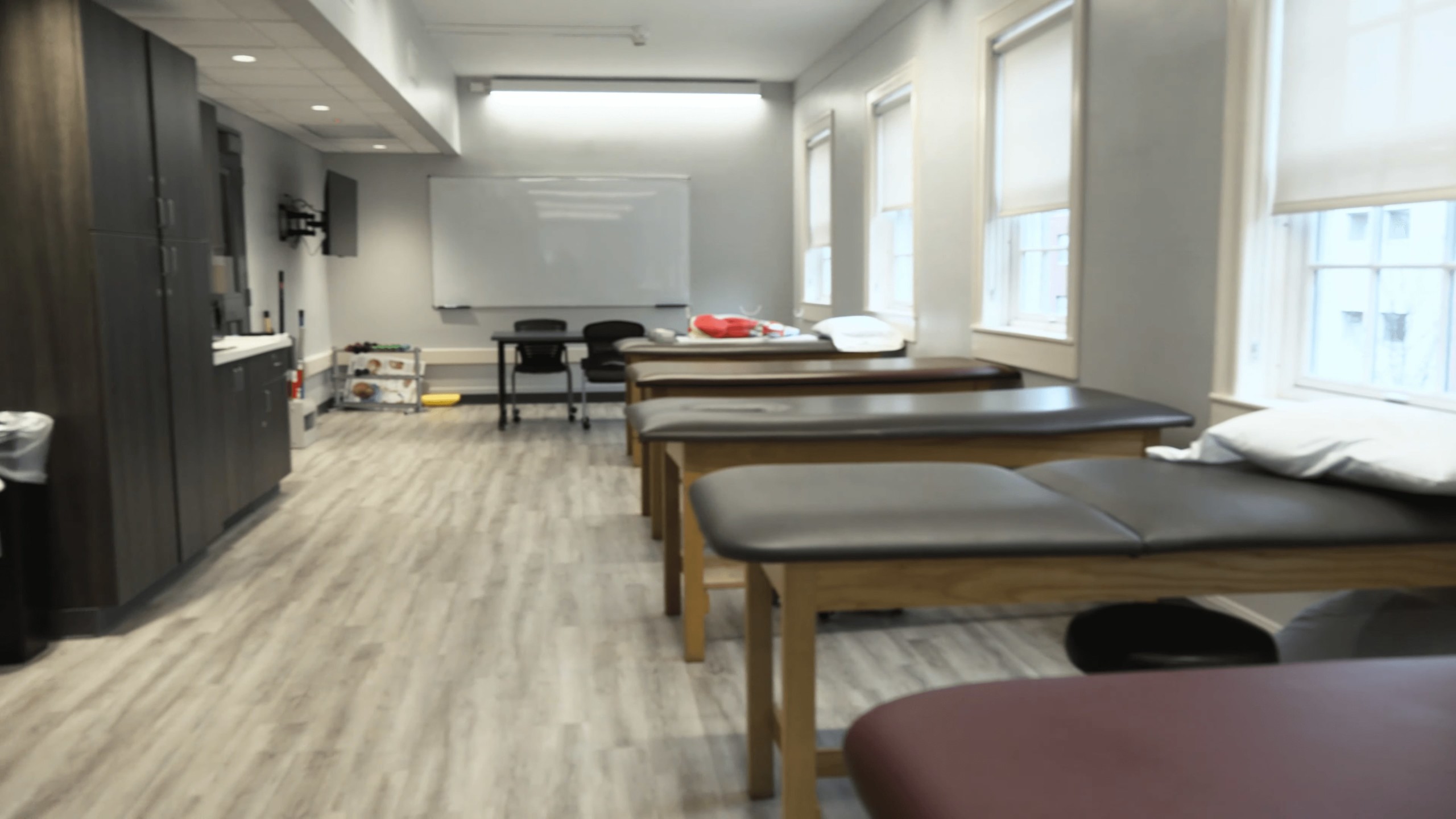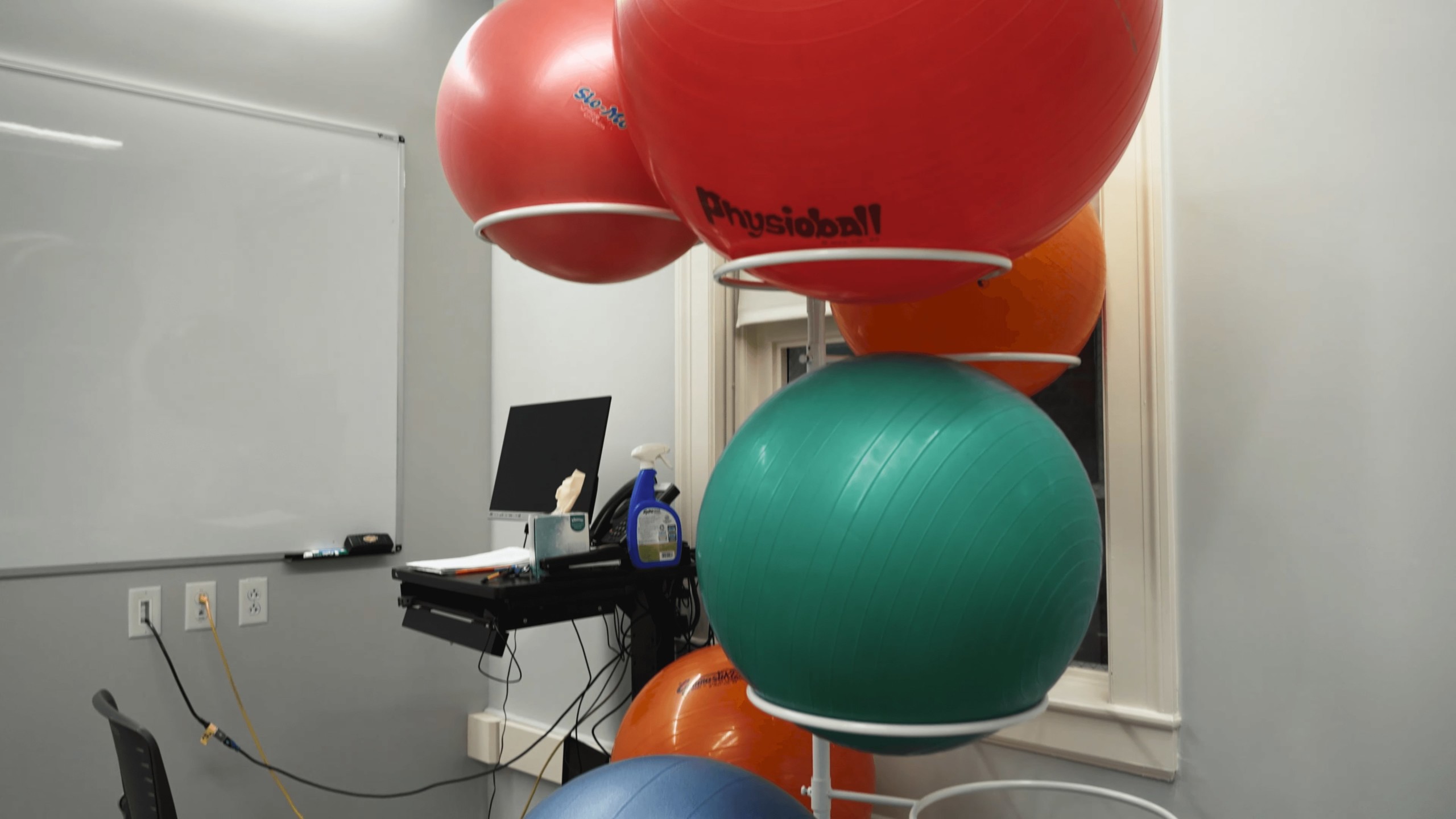

Occupational Therapy Hand Classroom Lab

Help people. Work in a variety of settings.

With a master’s in Occupational Therapy, you’ll help individuals who are recovering from an illness or an injury to return to activities that are important to them. Occupational therapists work with people of all ages, from infants to the elderly, in patients’ homes, hospitals, rehabilitation centers, nursing homes, schools, private practice and community agencies.

Specialties in our Occupational Therapy master’s program

Find all of the following distinctions at an institution recognized for its Health Sciences programs, giving you lots of interaction with other healthcare fields, which you will ultimately engage with as a professional who make a difference in your community.

We are accredited by the Accreditation Council for Occupational Therapy Education of the American Occupational Therapy Association.

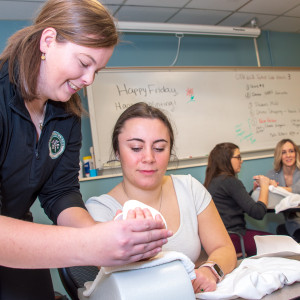
Several professors hold advanced certification in pediatrics, neurodevelopmental treatment, physical rehabilitation, hand therapy, or other areas.

Our academic fieldwork coordinator helps match you with fieldwork, and our low student-to-faculty ratio means professors get to know you, and serve as mentors throughout your education and as you start your career.

We include more Level-I fieldwork than other programs, so you’ll begin making connections between courses and professional practice almost immediately.

Four physical rehab courses, mental health embedded into fieldwork, and two types of placements for Level-II fieldwork will help you become a highly marketable professional, with a lifespan approach to OT practice.

  • Hybrid Master of Science in Occupational Therapy: Through a blend of online classes, on-campus lab immersions, and fieldwork experiences, you’ll graduate ready to sit for your occupational therapy certification exam and help patients return to the habits, routines, and roles that are important to them. Explore the hybrid program.
  • Doctor of Occupational Therapy Degree: We offer an OTD degree for individuals who would eventually like to pursue leadership roles in health care practices or educational settings.
  • 3+2 Accelerated B.S./MSOT: Eligible undergraduate students can earn a bachelor’s degree and a Master of Science in Occupational Therapy in just over five years — that’s less time than it would take to pursue the degrees separately.
  • Undergraduate Majors for Occupational Therapy: The following Russell Sage undergraduate programs are an excellent foundation for our Master or Doctor of Occupational Therapy programs: Expressive Arts in Therapy, Biology, English, Health Sciences, Psychology, Sociology. Students who wish to earn a bachelor’s degree and an MSOT at Russell Sage College should apply for undergraduate admission.

Students with a bachelor’s degree who meet the prerequisite requirements for our MSOT program should submit an RSC graduate school application and supporting materials by February 1. Find complete MSOT admission requirements and application instructions.

  • Official transcripts from all post-secondary institutions attended
  • Two letters of recommendation
  • A 1- to 2-page career goals essay: We want to hear your voice. Russell Sage College values authenticity, critical thinking, and personal expression. We ask that all application essays be written solely by the applicant with only ethical use of AI technology, such as tools that support but do not generate content.
  • A current resume
  • Documentation of at least 20 hours of clinical observation under the supervision of a licensed occupational therapist
  • Academic Standards Form
  • Prerequisite Form
  • GRE scores are not required

We have agreements with several undergraduate colleges, to offer preferred acceptance to qualified students who wish to pursue an MSOT at Sage. Please review our MSOT articulation agreements with partner colleges to learn more about MSOT preferred

Course Requirements

Credits and Completion

Students can complete the 72-credit program in just two years, including a research project and six months of full-time fieldwork. 

Russell Sage College’s Occupational Therapy program encourages students to be self-directed and engaged actively in their learning. The program provides opportunities for reflective practice and critical inquiry with vibrant problem solving. We emphasize experiential learning that builds occupation-based clinical reasoning practices explicitly linking the person, environment and occupation. Our graduates will occupy diverse workforce roles and contribute to the health and well-being of individuals, populations and society.

The Russell Sage College Master of Science in Occupational Therapy program is accredited by the Accreditation Council for Occupational Therapy Education (ACOTE) of the American Occupational Therapy Association (AOTA), located at 7501 Wisconsin Avenue, Suite 510E Bethesda, MD 20814. ACOTE’s telephone number is 301-652-6611; its web address is www.acoteonline.org; and its email address is accred@aota.org. The most recent reaccreditation was granted in December 2016. Graduates of the program will be eligible to sit for the national certification examination for the occupational therapist administered by the National Board for Certification in Occupational Therapy (NBCOT). After successful completion of this exam, the individual will be an Occupational Therapist, Registered (OTR). In addition, all states require licensure in order to practice; however, state licenses are usually based on the results of the NBCOT Certification Examination. Note that a felony conviction may affect a graduate’s ability to sit for the NBCOT certification examination or attain state licensure.

Program results from the National Board for Certification in Occupational Therapy (NBCOT) are online at  https://www.nbcot.org/Educators-Folder/SchoolPerformance

Graduation Rate

For the 3 most recent graduating cohorts (2023-2025), 74 students (89%) progressed to graduation within the typical program timeframe. While the majority of students enroll in the program full time, some choose a part-time track. Additionally, some students change to part-time after starting full-time. Some who began in the MSOT Program moved to the OTD Program, reducing the number of “students entering.”

Graduation YearStudents EnteringStudents who withdrew, or did
not graduate with the entering
cohort, for reasons other than
academic performance
Students GraduatingGraduation Rate
202534*03191%
202423*21991%
202328*02485%
Total85*27489%
* Includes students who entered or transitioned to part-time status. Graduation rates are calculated only for students who completed the program full-time; some part-time students remain enrolled and are progressing toward degree completion.

The occupational therapy curriculum emphasizes the person, environment and occupation relationship and incorporates an experiential approach that focuses on students engaging as active learners. Foundation and upper level clinical courses promote an understanding of the dynamic relationship between health, well-being and occupational engagement for a person’s ability to participate in valued life activities and roles. Students are immersed in learning opportunities to both promote clinical reasoning skills and develop a systemic view of health and service delivery systems.

Russell Sage College’s 72-credit master’s program in Occupational Therapy includes classes, research experiences and field placements centered around the foundations of occupational therapy; therapeutic evaluations and interventions; and professional identity and responsibility. The program prepares students for the certification exam administered by the National Board for Certification in Occupational Therapy (NBCOT), which leads to national certification and eligibility for state licensure as an occupational therapist.

Personal advising, experienced faculty

Our occupational therapy master’s comes with a deep, Russell Sage-level of support from an assigned faculty advisor who works with you to ensure your success.
Your Future Career with a Master’s in Occupational Therapy

Upon completing your Occupational Therapy graduate program, you’ll be eligible to take the certification exam administered by the National Board for Certification in Occupational Therapy, which leads to national certification and eligibility for state licensure.

Sage graduates work in hospitals, rehabilitation centers, nursing homes, schools, private practice and community agencies across New York state and around the country.

Recent employers include Albany Medical Center, St. Peter’s Health Partners, Capital District Beginnings, Anderson Center for Autism, United Health Services, and Metro Therapy.

$98,340

median annual wage in May 2024

14%

growth in employment opportunities expected from 2024 to 2034 above the average for all occupations

Learning Experience

As an OT master’s degree candidate, you will work therapeutically with clients under the supervision of licensed occupational therapists during five fieldwork experiences: three multi-week placements in clinical and simulated settings connected with your first- and second-year coursework, and two full-time, 12-week experiences with responsibilities leading to those of an entry-level occupational therapist.

More than 400 clinical sites throughout the country host students from our OT graduate program for fieldwork experiences.

You will also conduct original research under a faculty mentor and may be eligible for research funding from Sage’s Broughton Graduate Fellowship. Recent Broughton Fellows have investigated 3D hand modeling for splinting scleroderma patients, women’s maternal health, the impact of integrated play interventions on social skills, and recommended sensory room features for an agency serving people with disabilities. Students have presented their research at American Occupational Therapy Association and New York State OT Association conferences and Sage’s Graduate Research symposium.

Sage’s Health Sciences programs stress interprofessional education and create opportunities for future occupational and physical therapists, nurses, dieticians, mental health professionals, and others to learn together, in preparation for roles on interprofessional health care teams.

The Occupational Therapy program has a leadership role in annual interprofessional conferences, which attract hundreds of health sciences students from Russell Sage and other colleges.

We also have an award-winning chapter of Pi Theta Epsilon, the national honor society for Occupational Therapy students.

MSOT Tuition and Fees

Cost of Attendance Master of Science in Occupational Therapy Program 2025-2027
Year 1Total Yr 1Year 2Total Yr 2Year 3Program total
FallSpringSummerFallSpringSummer
# Credits171614155572
Cost per semester16,66015,68032,34013,72014,7004,90033,3204,900$70,560
Student Fees/yr850850$1,700
Supplies & Book/yr750750$1,500
Total Cost$33,940$34,920$4,900$73,760
*Cost of Attendance is subject to change

Frequently Asked Questions – Master of Occupational Therapy

Nationally, employment of occupational therapists is projected to grow by about 11% between 2023 and 2033, adding nearly 10,000 jobs each year. This demand is driven by an aging population, increased need for rehabilitation after stroke or injury, and greater recognition of developmental and autism-related conditions in children. In New York’s Capital Region, opportunities span hospitals, rehabilitation centers, schools, home-health agencies, and community clinics. Telehealth and mental health services are expanding roles further, while school districts continue to hire therapists to support students with sensory and developmental challenges. Overall, graduates can expect strong job prospects and diverse practice settings across upstate New York.

To practice as an occupational therapist in New York, students must earn a graduate degree from a program accredited by the Accreditation Council for Occupational Therapy Education (ACOTE). Admission to these programs generally requires a bachelor’s degree and completion of prerequisite courses in biology, psychology, sociology, and anatomy. Many applicants also complete observation hours or submit letters of recommendation to demonstrate commitment to the profession. Master’s programs typically span two to three years and combine courses in kinesiology, neuroscience, occupational science, and evidence‑based practice with hands‑on labs. Fieldwork experiences are integral; students rotate through hospitals, schools, rehabilitation centers, and community settings to apply classroom knowledge.

Upon graduation, candidates must sit for the National Board for Certification in Occupational Therapy exam and achieve a passing score to become registered occupational therapists. The exam covers professional practice, patient assessment, intervention planning and ethical standards. After certification, graduates apply for a state license through the New York State Education Department and must submit transcripts and proof of completion of the NBCOT examination. Licenses must be renewed periodically; therapists are required to complete continuing education hours to maintain both national certification and state licensure.

Occupational therapists enjoy competitive salaries that reflect their specialized training and demand. The national median annual wage for occupational therapists was about $98,340 in May 2024. Earnings vary by work setting; therapists employed in nursing care facilities earned around $103,210, those in home‑health services earned $103,010, and those in hospitals earned $100,770. Offices of physical, occupational, and speech therapists offered salaries around $96,380, while educational services averaged $83,890. Therapists working in upstate New York often earn slightly above the national median due to regional cost‑of‑living adjustments and strong demand. Early‑career therapists may start at lower salaries but benefit from steady increases with experience and specialization. Board certifications or managerial responsibilities can increase earning potential significantly.

Occupational therapists work with individuals who face challenges performing daily activities due to injury, illness, or disability. They evaluate clients’ physical, cognitive, and psychosocial abilities to identify barriers to independence. Based on assessments, therapists develop individualized treatment plans and help clients relearn activities of daily living, such as dressing, bathing, cooking, and returning to work or school. Therapists demonstrate exercises to improve range of motion, strength, and coordination and teach techniques to reduce pain and fatigue. They assess home, work or school environments and recommend adaptive equipment like wheelchairs, splints, grab bars, or specialized utensils to enhance safety and independence. Educating family members and caregivers about proper use of assistive devices and modifications is also part of their role. Documentation and goal tracking ensure that interventions are evidence‑based and client‑centered.

In the Capital Region, occupational therapists practice in acute‑care hospitals, inpatient rehabilitation units, outpatient clinics, school districts, and community mental health programs. Many provide home‑based services, traveling to clients’ residences to implement strategies in real‑world environments. Therapists in mental health settings help individuals with developmental disabilities or substance use disorders develop time management, social skills, coping strategies, and self‑care routines. Early‑intervention programs employ therapists to support young children with developmental delays and collaborate with parents and educators. Collaboration with physicians, nurses, physical therapists, speech language pathologists, social workers, and psychologists is essential for comprehensive care.

Success in occupational therapy depends on a strong foundation of both clinical expertise and interpersonal skill. Effective therapists are adaptable, able to adjust treatment plans as clients’ needs and goals change. They communicate clearly, motivating clients through complex therapeutic activities while collaborating seamlessly with colleagues. Compassion and patience are essential when supporting individuals who may feel discouraged by illness, injury, or disability, while keen observation skills allow therapists to identify subtle changes in performance and refine interventions accordingly.

Creativity and problem solving are equally important, enabling therapists to design activities that are engaging and tailored to each client’s daily life. Strong organizational abilities ensure caseloads are managed effectively, documentation remains accurate, and care is well coordinated. Beyond direct treatment, therapists often advocate for clients in healthcare systems, schools, and community programs, requiring confidence, strong communication, and effective negotiation skills. Graduate programs such as Russell Sage’s MSOT cultivate these qualities through coursework, mentorship, and fieldwork in diverse settings, preparing graduates to succeed in a range of clinical and community environments.

Occupational therapy provides multiple avenues for specialization and advanced credentials. After gaining clinical experience, therapists may pursue board certification through the American Occupational Therapy Association in areas such as pediatrics, geriatrics, mental health, and physical rehabilitation. These credentials demonstrate advanced competence and can support career advancement into leadership, program development, or higher-level clinical roles. Earning and maintaining certification requires a combination of continuing education, documented practice hours, and periodic renewal.

Additional credentialing opportunities include becoming a Certified Hand Therapist (CHT), Assistive Technology Professional (ATP), or Low Vision Therapist. Post-professional certificates in areas such as sensory integration, neurorehabilitation, or school-based practice also allow therapists to deepen their expertise. For those interested in research, teaching, or administration, advanced study through a Doctor of Occupational Therapy (OTD) or a Ph.D. in rehabilitation science offers preparation for academic, leadership, and policy-focused positions (Note: You can enter an OTD program directly from a bachelor’s program, without completing an MSOT first.)

At Russell Sage College, students benefit from faculty who hold advanced certifications in areas like pediatrics, neurological rehabilitation, sensory integration, and hand therapy, giving graduates valuable insight into the pathways available for future specialization. Through ongoing professional development, occupational therapists remain responsive to evolving technologies, shifting healthcare needs, and diverse client populations.

Need help?
Contact us for questions about our MSOT and OTD programs.

518-244-2266

Take the Next Step

It's time to take the next step. Choose yours below.