

Information for
Helpful Links
College closures have disproportionately impacted private colleges across the country, and it may leave students and families wondering if private colleges are a good choice. Not all private colleges are facing financial hardship, and there are ways to check a college’s health.
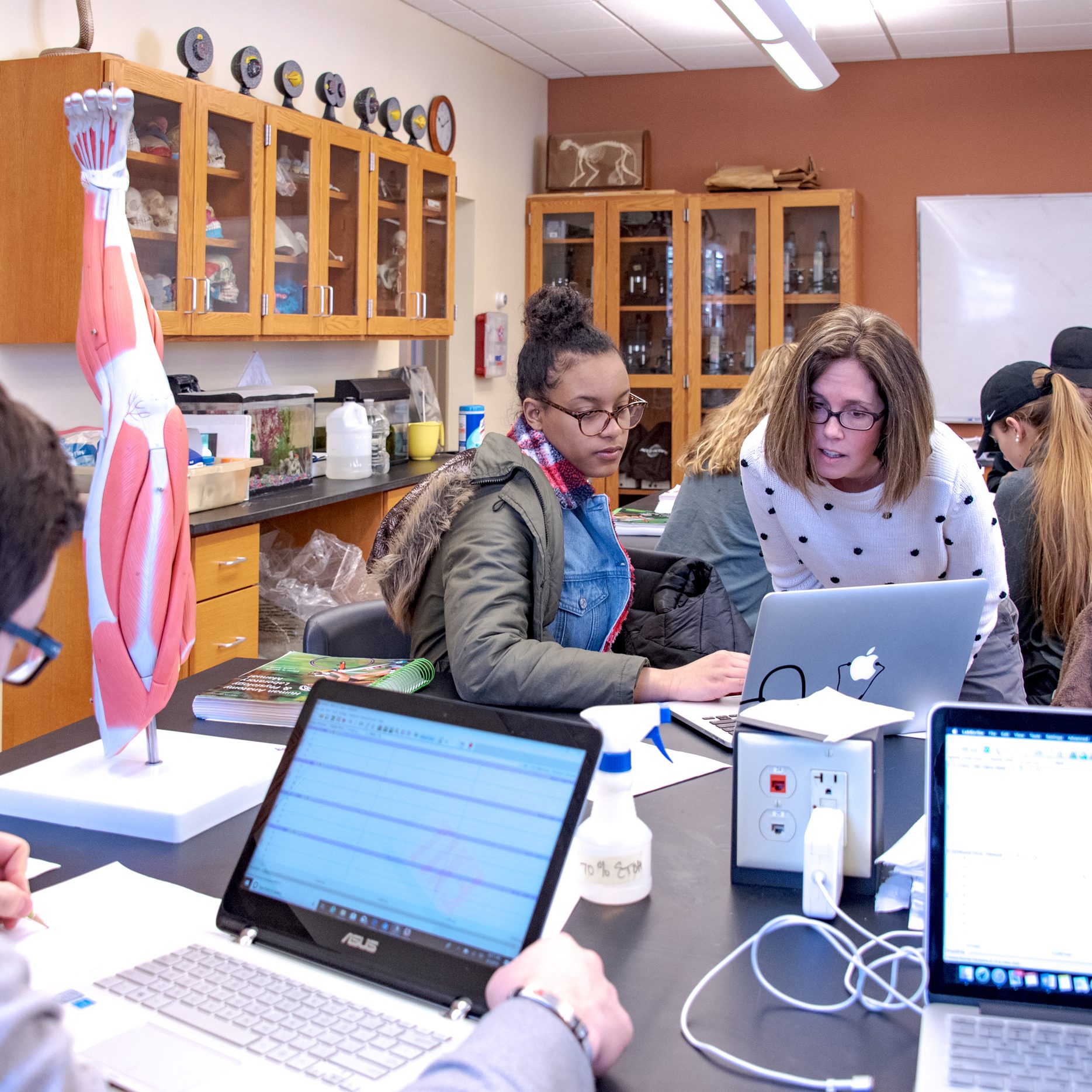
Russell Sage has run a budget surplus for six straight years, and its board of trustees has been committed to balanced budgets. You can read about our financial success in this news article about the legacy left by our former president, Christopher Ames.
Enrollment trends can also be a helpful indicator. This year, we’re celebrating our largest enrollment in college history, with more than 3,100 undergraduate and graduate students.

But taking on too much debt has been a common denominator for many of the institutions that have ultimately closed. Russell Sage College’s board of trustees has been prudent about debt load, and the college has been fortunate to benefit from philanthropy that has offset the cost of many of its recent renovations.

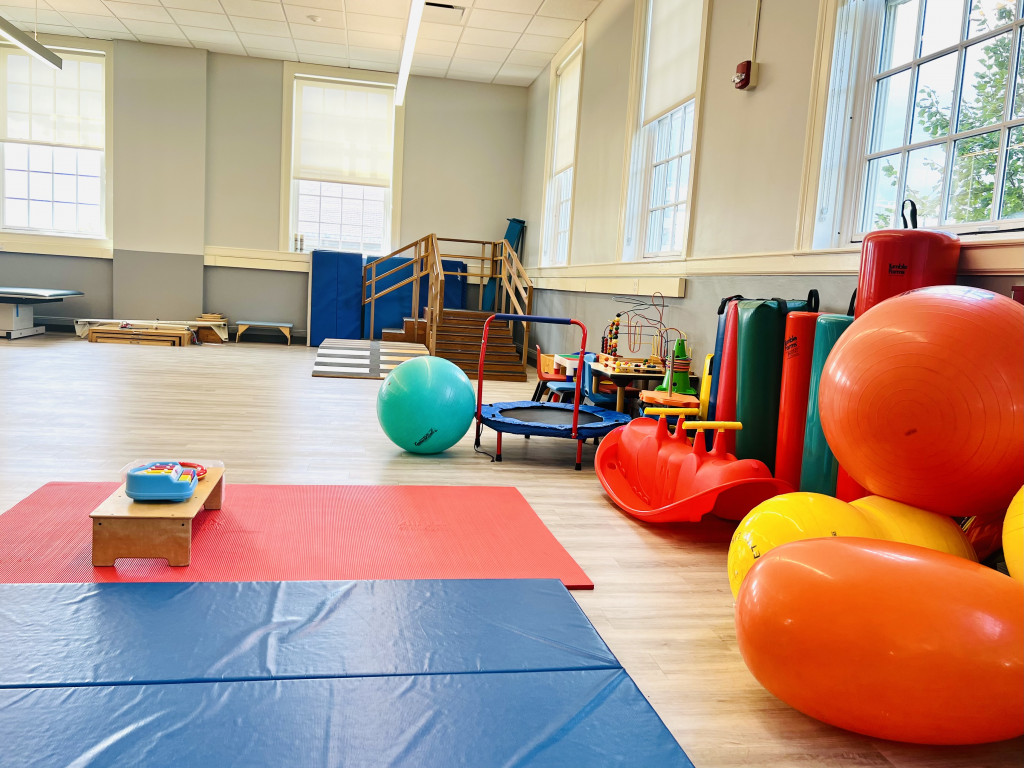

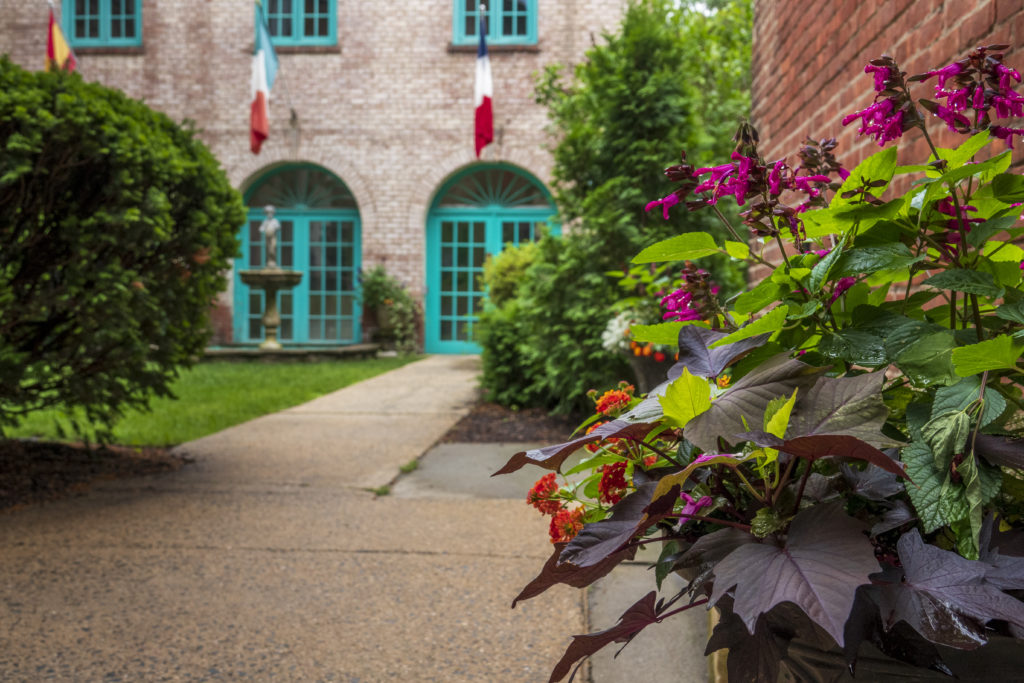
Current renovation projects at Russell Sage include a full-scale renovation of Sage Hall, a residence hall on campus; a 21st century classroom for education majors to practice their hands-on skills; and renovations to classrooms in Schacht Fine Arts Center.
Recent renovations include Esteves House, an all-women residence hall, which was supported by donor and alumnae Donna Robinson Esteves, and new physical therapy and occupational therapy lab spaces in John Paine Hall.
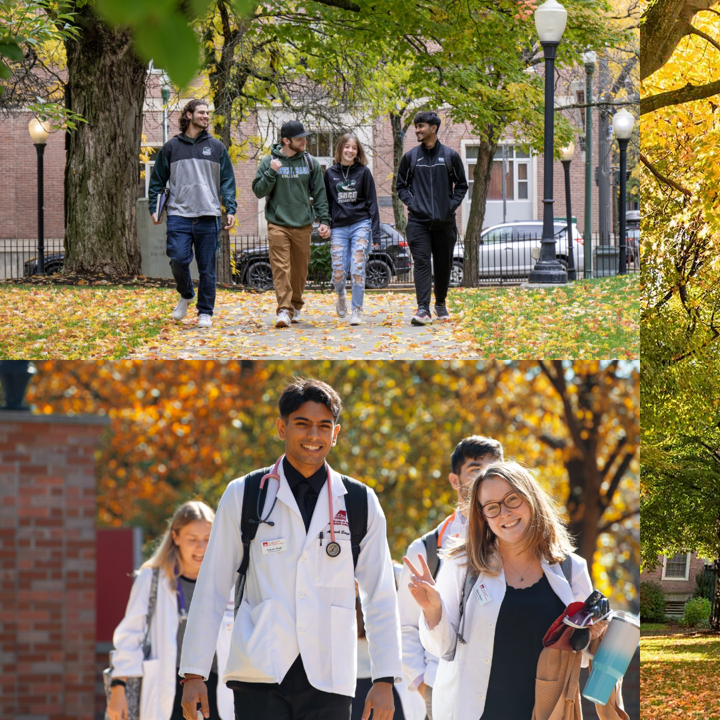
In April 2025, Russell Sage and Albany College of Pharmacy and Health Sciences, whose campuses border each other in Albany, announced plans for a strategic merger. Pending regulatory approvals, and with an anticipated completion date of fall 2027, the merger will create a comprehensive institution – to be known as Russell Sage University – with an estimated 4,000 students across the campuses in Albany and Troy, New York, and online.
Russell Sage and ACPHS have been sharing services for years, including wellness services, security, and athletics spaces. This merger was smart because it combines two colleges with similar missions to create one of the largest comprehensive private institutions in the region – with the broadest catalog of programs in the health professions, biomedical sciences, and pharmacy, as well as strong programs in education, business, the social sciences, and the arts. And because it makes efficient use of resources on two campuses that neighbor each other, that leaves more dollars for students.
The new institution will result in a unified institution with combined assets of approximately $246 million, including $115 million in endowment investments, based on current figures.

Tell us a little about yourself and your academic interests and we'll be sure to follow-up with you shortly. Thank you for your interest in Russell Sage College!
Tell us a little about yourself and your academic interests and we'll be sure to follow-up with you shortly. Thank you for your interest in Russell Sage College!
Tell us a little about yourself and your academic interests and we'll be sure to follow-up with you shortly. Thank you for your interest in Russell Sage College!