
Information for
Helpful Links

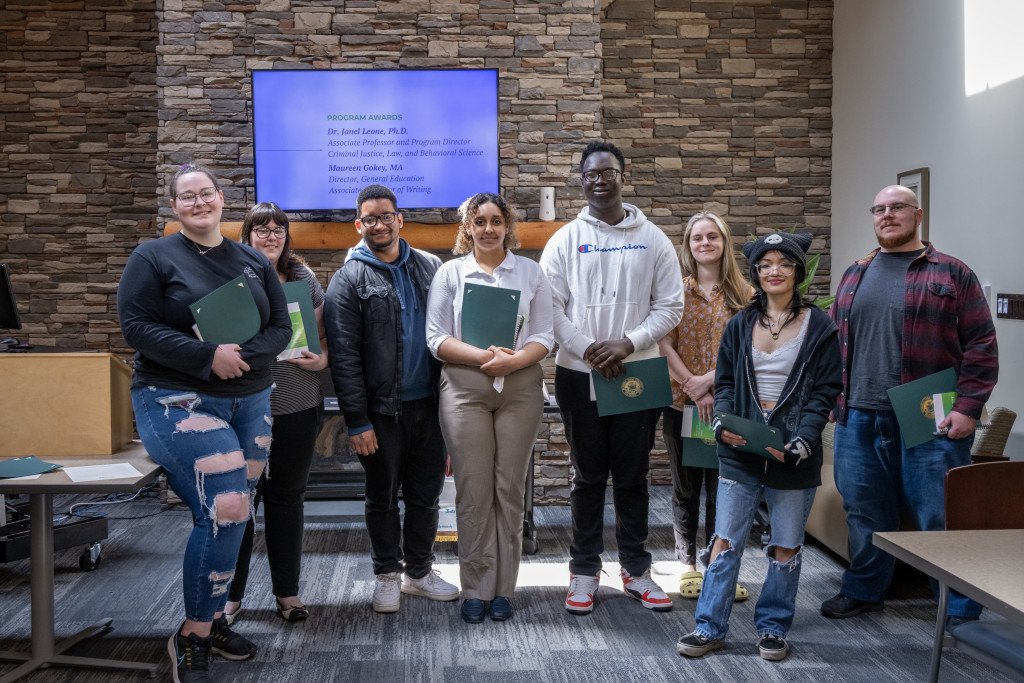
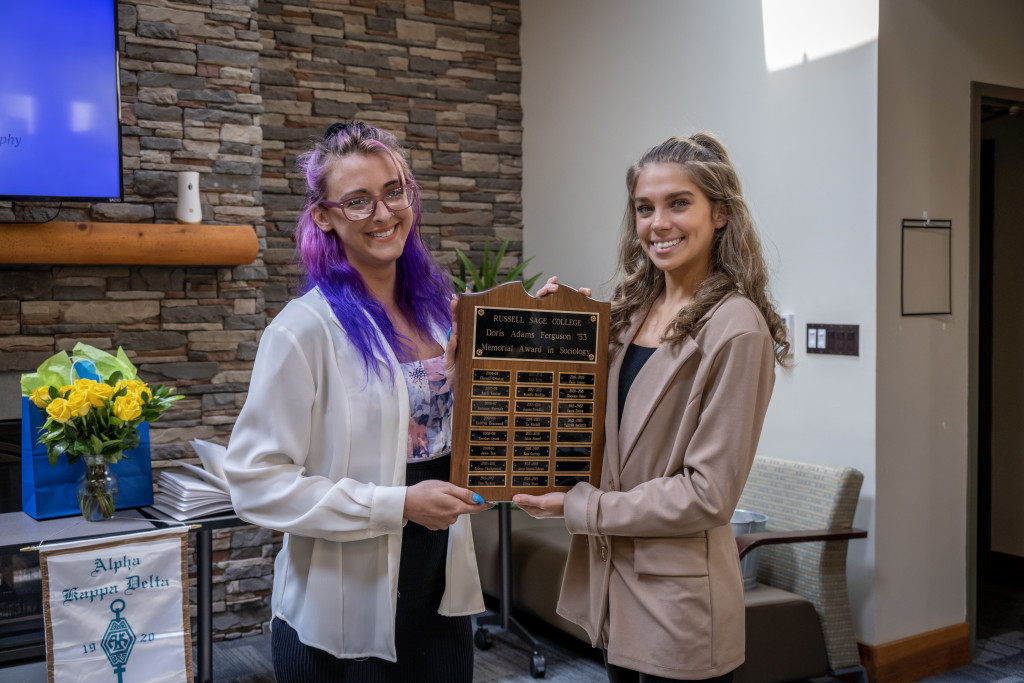
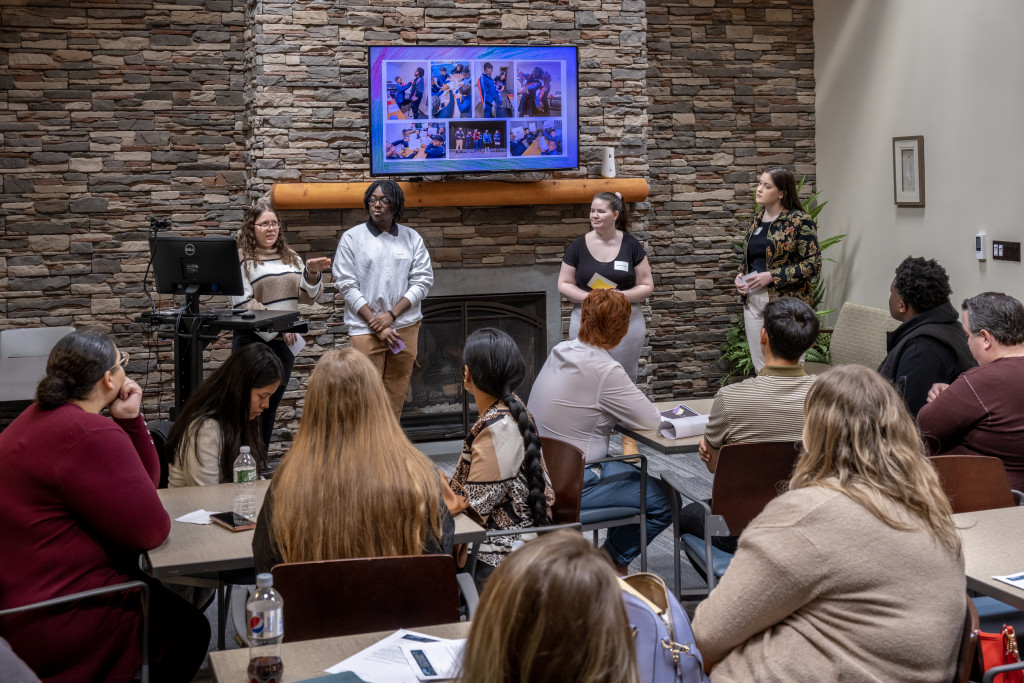
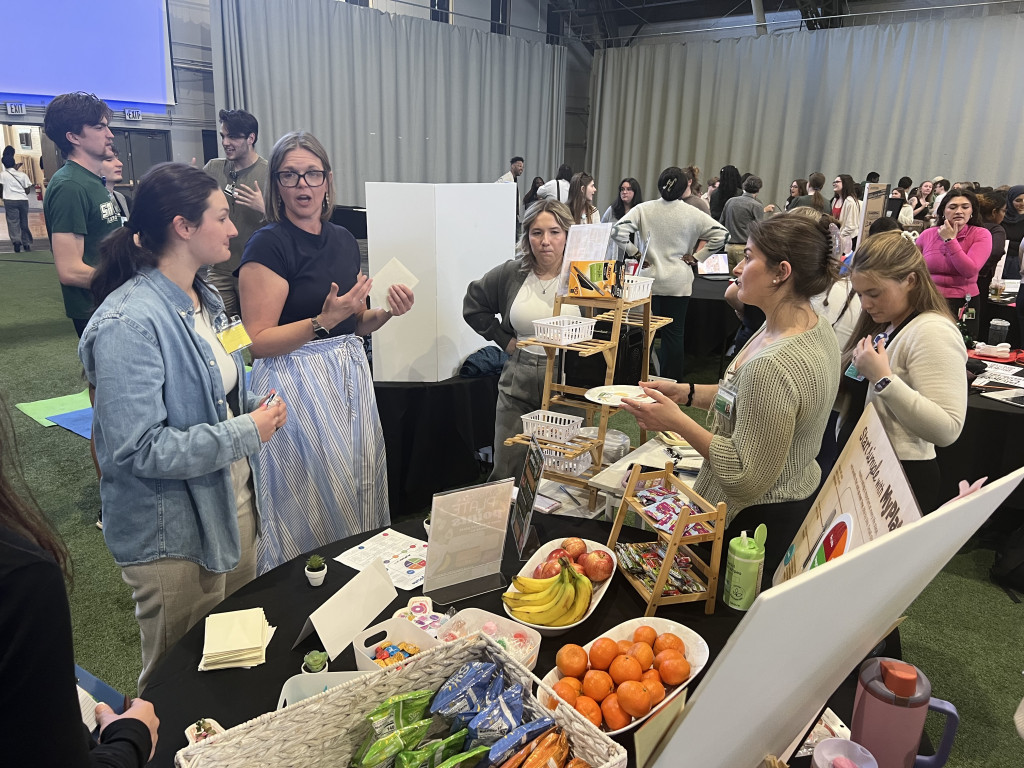
Welcome to the very first New York Capital Honors Exchange (NYCHE) Symposium. It’s truly a pleasure to see Honors students from across the Capital Region gathered in one place to share the work you’ve put your time, thought, effort, and passion into.
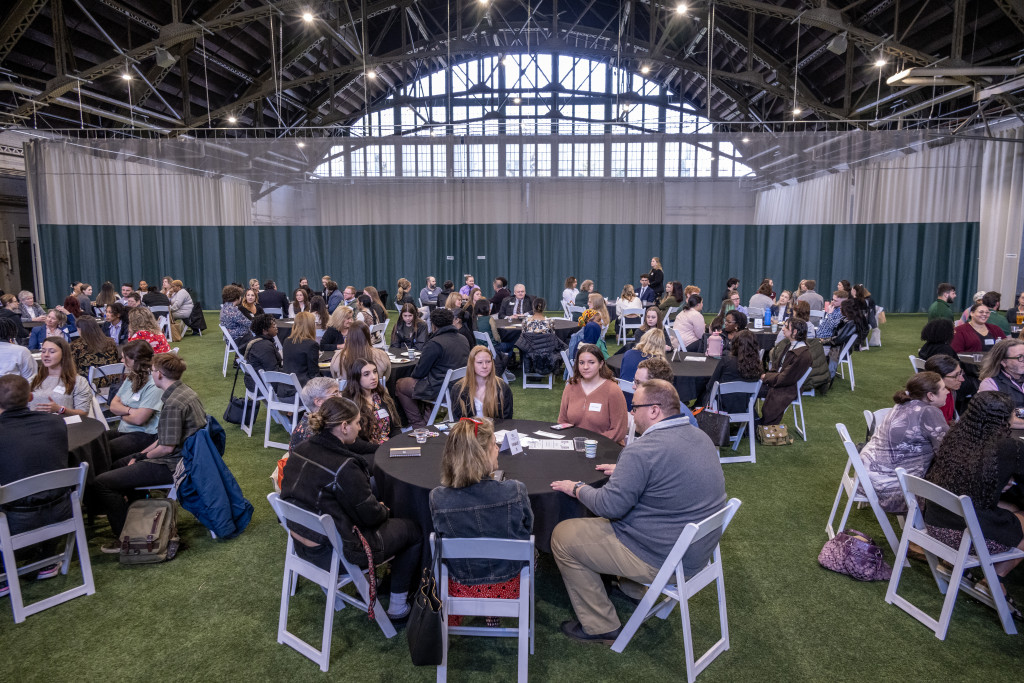
Our theme this year is “Find Your NYCHE.” It is an invitation to discover new ideas, to engage in thoughtful conversation, and to recognize the many ways Honors education encourages us to ask meaningful questions. Today is not only about presenting research; it’s about learning from each other and building connections that extend beyond our own campuses.
Founded by Hudson Valley Community College, Russell Sage College, and University at Albany, NYCHE reflects a shared belief in the power of collaborative, student-driven scholarship.
Thank you for being part of this inaugural gathering! We look forward to seeing you next year.
| Presentation Details |
|---|
| Lorraine Affigne University at Albany Overcoming Hesitancy Toward The COVID-19 Vaccine: A Policy and Communication Response PlanVaccine hesitancy is a major public health challenge, reducing immunization rates and increasing the risk of preventable disease outbreaks. This project focuses on addressing hesitancy surrounding the COVID-19 vaccine, developing a structured response plan to improve vaccine acceptance and uptake. This approach combines policy interventions and communication strategies to mitigate hesitancy. The proposed interventions include structural changes (on-site vaccination and reminder and recall systems), individual conversations with health care providers (motivational interviewing and empathetic refutational interviewing), and mass communication campaigning (communicating collective benefit) designed to strengthen public trust, preserve freedom of choice and support informed decision-making. To reach hesitant individuals and parents, the communication strategy employs emotive anecdotes and emotive imagery, ensuring messages are tailored to address specific concerns and fostering connection among the community and with health care providers. Information will be delivered through social media platforms in video format via mass communication campaigns led by health care providers and community members as well as individualized appointments with health care providers, maximizing reach/engagement and fostering trusting patient-physician dynamics. Part of this strategy involves teaching health care providers how to best communicate with hesitant people to create humanity in conversation. By integrating evidence-based regulatory measures with messaging, this response plan provides a strategic and individualized framework to counter misinformation, address barriers, and promote vaccine confidence. |
| Zain Ahmad Albany College of Pharmacy & Health Sciences Investigating Influenza Vaccination Coverage among Pre-Kindergarteners Before and After the Repeal of Nonmedical Exemptions in ConnecticutIntroduction: Influenza is an acute respiratory illness that is easily transmissible in group settings, with younger children at higher risk of severe disease. In the United States, Connecticut (CT) is one of six jurisdictions that require influenza vaccination for childcare, pre-school, or pre-kindergarten (pre-K) entry. In 2021, CT passed Public Act 21-6, which removed religious exemption options for school-required immunizations, including influenza. Our objective was to analyze the impact of the law on influenza vaccination coverage among pre-K students in CT schools. Method: Publicly available pre-K influenza vaccination data for CT schools were obtained from the CT Department of Public Health website. Mean county-level pre-K influenza vaccine coverage was compared in the school years before (2012-13 to 2019-20) versus after (2022-23 to 2023-24) the law passed; 2020-21 and 2021-22 school years were excluded due to the COVID-19 pandemic. Results: From the 2012-13 through 2019-2020 school years, average county-level influenza pre-K vaccination coverage was 86.8% (95% CI: 85.6%, 88.0%). After the passage of the law, mean county-level coverage was 93.1% (95% CI: 91.0%, 95.3%), representing an increase of 6.2% (95% CI: 5.0%, 7.4%). Conclusion: These data suggest that the passage of CT Public Act 21-6 successfully increased the average county-level influenza vaccine coverage among pre-K students. Additional analyses to examine the spatial effects of the law are forthcoming. |
| Summer Atchley Russell Sage College Animal Versus Plant Protein: Comparing Performance and Functionality in Nutrition and CookingProteins from both animal and plant sources play critical roles in supporting health and physical performance, but they differ in amino acid composition, digestibility, and functional food properties. This poster looks at 5 scientific studies to compare the bioavailability, physiological outcomes, and cooking performance of animal and plant proteins. While animal proteins such as meat and eggs contain all 9 essential amino acids and are easily digested, most plant sources lack a complete amino acid profile and aren’t as easily digested. However, evidence shows that some sources, like soy, do contain all 9 essential amino acids, and other plant proteins can be combined in order to make a complete protein. Research demonstrates that plant-based proteins can promote comparable gains in body composition and strength when consumed in equivalent doses to whey protein. Furthermore, innovations in aquafaba and plant-based egg substitutes reveal expanding applications for food manufacturing and egg-free alternatives. Overall, these findings suggest that plant proteins, when properly combined and processed, can be an effective and adequate substitute for animal protein. |
| Fatjon Banushllari Hudson Valley Community College Promoting the Latino Community in the Capital Region Through DanceThere is a growing need in the Capital Region to promote cultural awareness and engagement with the Latino community. One way that this can be achieved is through dance. The Baila Albany Dance Studio in Latham is a new business that seeks to do just that. The goal of this project is to find creative and cost-effective ways to provide cultural awareness, physical activity, and community engagement via Latin dance programming. The studio brings high-energy, accessible salsa and other Latin dance styles right into local schools, where students are provided with the opportunity to engage with the rhythm, history, and creativity of Latin dance within an interactive and fun environment. This program is accompanied by dance workshops and performance demonstrations where students are encouraged to explore new forms of artistic expression as a way to celebrate Latino heritage. In this project with Baila Albany Dance Studio, there is an emphasis on supporting the organization and management of resources to facilitate these school-based programs. This entails assisting with budgeting, scheduling school visits, coordinating outreach, and helping manage the logistics required for each event. This project seeks to enhance cultural connection and student engagement by providing high-caliber Latin dance programming accessible to the community. By partnering with local schools, the initiative promotes physical activity, creativity, and cultural appreciation while also supporting the studio’s efforts to expand its reach and improve its operational processes. The learning outcomes from this project include gaining real-life skills in the areas of financial planning and organization, communication, and teamwork. Working with a community-focused arts program provides a chance to see how a small business functions, balance multiple responsibilities, and work toward worthwhile goals to make a difference. Thanks, |
| Katlyn Bell Russell Sage College Different Minds, Different Languages: Neurodiversity as a Path to Inclusive Bilingual LearningMy goal is to work with students that are between the grades of K-5 and also English Language Learners (ELL). I have always been interested in creating a better education not only for students who know one language but also for two or more and or have a disability. For my study, I am doing research on identifying and supporting neurodivergent bilingual students that is focusing on the challenges and needs of the bilingual students with disabilities such as Autism, ADHD, or both. I also want to focus on developing effective support strategies for these students as well. ELL with disabilities are misunderstood because their behaviors, communication styles and learning patterns are interpreted differently because of the neurotypical and monolingual norms that we have in today’s society. As future teachers/educators we must create strategies for all of our students including these students. One strategy that can help with this is using multimodal and inclusive teaching, for example incorporating visual aides. It has been found that students that have disabilities learn the best when they are looking at what is being taught. |
| Samantha Borja Russell Sage College Mental Health Benefits Coming From Having a PetFor this research paper, I explored how dogs can have a positive impact on mental health. I chose this topic because I have personally experienced the emotional benefits of owning a dog and wanted to see if research supported my own experiences. My hypothesis was that dogs improve overall mental health by reducing stress, anxiety, and loneliness while increasing happiness and emotional support. To test this, I analyzed three different studies that focused on pet ownership and well-being. The first study, by Esquillo et al. (2022), examined college students during the COVID-19 pandemic and found that owning pets helped reduce loneliness and improve overall happiness. The second study, by Hui Gan et al. (2020), focused on older adults and showed that pets provided comfort, structure, and companionship, which helped with feelings of anxiety and isolation. The third study, by Raina et al. (2022), looked at older adults over a one-year period and found that pet owners were more active and had better daily living habits, even though the mental health improvements were not as significant. Based on these findings, I concluded that dogs have a generally positive impact on mental health by offering emotional support, increasing physical activity, and promoting routine and social interaction. Overall, both research evidence and personal experience show that dogs can play an important role in improving mental well-being and quality of life. |
| Marcus Brem Union College Investigating the Associations of Parenting Styles with Parent-Child GaslightingThe present preregistered study aims to investigate the relationship between three common parenting styles (authoritative, authoritarian, and permissive) and parent-child gaslighting. A large sample of parents (N = 494) was recruited from CloudResearch Connect–an on-demand data collection platform. They first completed the 10-item Parent-Child Gaslighting Questionnaire, which assesses a parent’s acceptance of gaslighting directed toward children. They next completed the 32-item short-form of the Parenting Styles and Dimensions Questionnaire, which assesses a parent’s use of authoritative, authoritarian, and permissive parenting. After all of the data was collected, three correlational analyses were run, testing the association of each parenting style with parent-child gaslighting. The results suggest that parents who have an authoritative parenting style are much less likely to find parent-child gaslighting acceptable. In contrast, parents who have an authoritarian parenting style are much more likely to find parent-child gaslighting acceptable. Finally, parents who have a permissive parenting style are moderately more likely to find parent-child gaslighting acceptable. These findings further our understanding of the behaviors authoritative, authoritarian, and permissive parents engage in, and indicate that one potential determinant of parent-child gaslighting is one’s parenting style. |
| Joanna Chan Russell Sage College Reimagining Education: How Bilingual Education can Change the FutureThroughout time, numerous individuals have strived for their children to learn multiple languages at a young age. However, is there truly a benefit to that? This research will be exploring and understanding more about bilingual education and how this specific form of education can not only benefit the students but also can help increase the number of languages to be taught in schools around the world. Using multiple theories such as the Common Underlying Proficiency (CUP) Theory and the Threshold Theory will give us an approach to how bilingualism can benefit the students and then how creating a bilingual program in schools, where students are approached with learning academic content in two different languages can enhance the knowledge and well-being of students. Additionally, this research will also help us to determine the ups and downs to bilingual education, what are the troubleshooting steps, and how to lead to a more promising future if implemented. This research will show us a better understanding of bilingualism and how crucial it is for students at a young age to grasp more than one language and having bilingual education can help with that. As many schools are having their students take on a second language as a subject, students aren’t benefiting from that. Changing that mindset and that narrative from a subject every other day to a language every day in the classroom can help students thrive in the classroom. This initiative will bring awareness to the underlying problem in schools and how learning a second language can be beneficial for not only students but the world as a whole |
| Maya Corridore Union College Camera trapping stream-side fauna: A biodiversity survey across a pollution gradientHuman disturbance and pollution are known to have cascading effects on ecosystem health and the ecological interactions therein. To determine fauna biodiversity across a gradient of sites varying in human activity and stream pollution, twelve trail cameras were set up across eight different streams near Schenectady, NY, USA. Cameras were active from May 2 to November 2 for a total of 161–190 observation nights. This effort resulted in 75,206 photographs, with the most common sightings being chipmunks (Tamias striatus), squirrels (Sciurus carolinensis), deer (Odocoileus virginianus), and raccoons (Procyon lotor). Image processing and data analysis are ongoing, but preliminary results suggest that cameras at sites with greater human disturbance captured lower species richness. Human activity may be a stronger predictor for reduced biodiversity than stream pollution in this study. For example, the Chuctanunda stream and Lisha kill have similar levels of moderate pollution, but the former recorded zero human visitation where the latter showed frequent foot traffic from creekers. Their respective biodiversity reflect this gradient in human disturbance: cameras at Chuctanunda recorded deer, various waterfowl, a coyote (Canis latrans), and a muskrat (Ondatra zibethicus), where those at Lisha kill only captured deer and herons (Ardea herodias). These surveys will be continued in 2026, where cameras will be placed far from trails to minimize photos of humans. This data will provide important information on biodiversity across sites, and insights into predator and herbivore interactions that will be applied to data on chronic stress in dietary specialist and generalist species of rodents. |
| Madina Cowder Russell Sage Colle Housing InsecurityHousing inequality is a problem that affects a large number of Americans and all nations on an international scale. The aim of this research is to investigate how hosting platforms, which encourage multiple property ownership without using the dwellings as primary residence, has impacted housing accessibility for first time home buyers in the U.S. The community of Taos, NM will be the subject of this study, selected for its participation in the Habitat for Humanity program, and the large amount of tourism associated with the area, due to the Adobe world heritage site. This research plans to use a mixed-methodology approach incorporating elements of quantitative analysis within this case study. The study will conduct in-depth interviews with the local Habitat for Humanity program directors, volunteers, and locals. Quantitative and quantitative analytical approaches will be used to study the data associated with local municipal policies affecting local economy, property value, and social welfare. A quantitative analysis of factors indicative of housing accessibility within the geographical region will consider relevant factors such as, rates of property value, sales going to citizens of different states (i.e. non-resident owners), income and socioeconomic status (SES) indicators, rates of application for affordable housing and public assistance programs (income and wealth inequality/affordability) in the area, increases to local economy during tourism seasons, and through property taxes paid on properties to fund local programs and education of residence to see how much money is being reinvested into the community. Information gathered directly from popular hosting platforms will also be analyzed, focusing on the rental properties listed, including property type (whether it is a primary residence, such as only offering a room, a multi property estate, or multi-family home) and price. I believe that these indicators will show a substantial rise in price, value, and non-residential competition that correlates with the prevalence of usage of hosting platforms, worsening issues of housing inequality and affordability for residents and first time home owners. Specific regions of high tourism should be studied to monitor the implications of adopting hosting services in the hospitality and travel industry of hosting platforms may have in increasing the socioeconomic disparity among classes of Americans, and worsening the issue of inaccessibility to stable housing of the most vulnerable of our population. Further research is needed in this area to better inform possible policy regulations on the business practices of hosting apps/platforms or by providing counter incentives like tax or preferential financing options to those who sell to state resident first time home buyers. |
| Alex Danieli Union College Criticizing The Juvenile Justice System Through Psychological, Sociological And Philosophical LensesMy research assesses the juvenile justice system in the United States and examines its failure in reducing youth crime. I discuss shifting the system to a rehabilitative model through three perspectives: psychological, sociological, and – the most unique – philosophical. Psychologically, adolescents differ from adults in impulse control, decision-making, and emotional regulation – making a punitive approach ineffective and harmful. Additionally, juvenile offenders exhibit higher rates of mental-health diagnoses, challenging the inadequate mental-health treatment within incarceration facilities; but when treatment fails, youth end up with long-term developmental damage. Sociologically, factors such as poverty, unstable family environments, social exclusion, and community disadvantage play a major role in offending, yet are often not taken into consideration during the judicial process. Moreover, detention centers offer limited social-development, educational, or vocational opportunities, leaving youth struggling to reintegrate upon release. These conditions contribute to cycles of social-disadvantage, stigmatization, and high recidivism rates. In the philosophical section, I apply existing theories to issues within the juvenile system, such as Rawls’s theory of justice to argue against transferring youth to adult prisons, Aristotle’s virtue ethics to discuss adolescent moral development, and Rousseau’s social contract theory to explain why society is obligated to support at-risk youth by addressing social risk factors. Overall, my project proposes reforms grounded in rehabilitation and early intervention. Key aspects are community-based alternatives to incarceration, trauma-informed and mental-health-focused treatment, stronger educational and vocational programs, and restorative-justice practices. These reforms can reduce delinquency, promoting a healthier society. |
| Layla Davis Russell Sage College A Contextual Analysis of F. Scott Fitzgerald s ‘ The Offshore Pirate’Using a range of contextual documents, we analyzed the ‘Offshore Pirate’ by F. Scott Fitzgerald. Through these documents we were able to gain a deeper understanding of the story, the author and the time in which it was written. Through this assignment we were better able to understand Fitzgerald and the way that he weaved his own interests and inspirations throughout his story. Looking at the way the story was received by critics and the public along with the author’s own feelings, we were able to get a read that was closer to the read the public would have had at the time it was printed. We focused on the connections between one of Fitzgerald’s must read books “The Revolt of the Angels” by Anatole France. After reading this story we were able to see all of the connections and layering within Fitzgerald’s own story. Reading a book that so clearly inspired the author in his own works adds a much richer understanding to the story and allows us to gain a deeper understanding and appreciation of both the story and the author. Through this presentation we aim to extend our understanding and appreciation to those who attend. Having a contextual understanding of a story brings you as close as possible to reading it as if you were able to travel back in time and read it when it first came out. |
| Dahlia Doeg Hudson Valley Community College Keeping the Troy Community Clean, One Cup at a TimeThe focus of this project was to raise awareness and promote keeping the Troy Community clean. The idea of doing so “one cup at a time” came about by realizing how much trash was in the city, and how easy it was to recognize a cup being in the street rather than in the trash. To help raise awareness about the importance of keeping the community clean, posters were put around the HVCC campus. On one poster for example, was a reminder to recycle a cup and included glueing on a large plastic cup and putting information about the positive consequences from recycling it. To help promote the action of keeping the community clean, clean-up events were held on the HVCC campus. This may seem like small ways of helping, however, on a more consistent level, small action can certainly go a long way. That is the goal, to help those realize that small action is any action. The purpose of this project was to bring more understanding and appreciation of how even one person can make an impact and inspire others to do so as well. The project not only focused on encouraging people to consume less waste, but it also provided guidance on different ways to help keep the community clean. |
| Amanda Doukoure Russell Sage College Mandatory vs. Discretionary: Which Police Response Strategy Works BestIn this paper, I examine the ethical question of how police officers should respond to possible cases of domestic child abuse. Specifically, I ask which police response policy, mandatory separation or discretionary freedom, most effectively fulfills the long-term objective of improving child safety in the United States, and I contend that mandatory separation is the most effective policy for ensuring such protection. I begin in Section 1 by clarifying that my question solely pertains to cases of child abuse, including physical, sexual, and emotional abuse. In section 2, I provide relevant historical context regarding police responses to child abuse and related cases involving children. In section 3, I argue that mandatory separation is the most effective means of ensuring long-term protection for children within the United States because mandatory separation compels police to intervene in cases involving children. Mandatory separation not only protects children but also guards against bias and errors of judgment, creates a safety net, highlights child safety, and prevents informal resolutions that might harm a child. In Section 4, I address objections to my position, including the claims that discretionary freedom enables case-by-case evaluations, minimizes the trauma associated with separation, and fosters effective collaboration between Child Protective Services and law enforcement. While these objections present valid points for consideration, I ultimately argue they fail because of the risks of law enforcement making biased judgments, because the trauma from abuse often outweighs the trauma from separation, and because discretionary freedom actually hinders cooperation between Child Protective Services and law enforcement. Additionally, I describe the correct method for implementing mandatory separation. I conclude in Section 5 with a summary of my arguments. Tuesday, November 25, 2025 Mandatory vs. Discretionary: Which Police Response Strategy Works Best In this paper, I examine the ethical question of how police officers should respond to possible cases of domestic child abuse. Specifically, I ask which police response policy, mandatory separation or discretionary freedom, most effectively fulfills the long-term objective of improving child safety in the United States, and I contend that mandatory separation is the most effective policy for ensuring such protection. I begin in Section 1 by clarifying that my question solely pertains to cases of child abuse, including physical, sexual, and emotional abuse. In section 2, I provide relevant historical context regarding police responses to child abuse and related cases involving children. In section 3, I argue that mandatory separation is the most effective means of ensuring long-term protection for children within the United States because mandatory separation compels police to intervene in cases involving children. Mandatory separation not only protects children but also guards against bias and errors of judgment, creates a safety net, highlights child safety, and prevents informal resolutions that might harm a child. In Section 4, I address objections to my position, including the claims that discretionary freedom enables case-by-case evaluations, minimizes the trauma associated with separation, and fosters effective collaboration between Child Protective Services and law enforcement. While these objections present valid points for consideration, I ultimately argue they fail because of the risks of law enforcement making biased judgments, because the trauma from abuse often outweighs the trauma from separation, and because discretionary freedom actually hinders cooperation between Child Protective Services and law enforcement. Additionally, I describe the correct method for implementing mandatory separation. I conclude in Section 5 with a summary of my arguments. |
| Lilianna Fujita University at Albany Radioactive Artifacts: Material Culture, Scientific Authority, and Everyday Life in the Mid-Twentieth Century“This research proposes an anthropological investigation of material culture by examining objects such as Geiger counters, radium watches, uranium glass, dosimeters, and laboratory equipment. These artifacts, emblematic of the atomic age, offer a distinctive perspective on how technology and science influenced everyday life during the mid-twentieth century. The study seeks to determine what these objects reveal about modern identity, the formation of scientific authority, and the negotiation of daily experience amid rapid technological transformation. The study aims to advance understanding of how material culture shapes and reflects social values, anxieties, and aspirations during periods of significant technological transformation. By examining the everyday engagement with scientific objects, this project will contribute to scholarly discussions on materiality, expertise, and the lived experience of modernity within the field of anthropology.” |
| Cheyna Fusco Union College ICE Melts Under ResistanceMy research has culminated in a 40 x 40 inch oil painting that discusses the impact Immigration and Customs Enforcement, or ICE, has on the people of the United States, and also its conflict with the intrinsic American principles of due process, equal protection, and the protections of one’s civil liberties. The painting, titled ICE Melts Under Resistance, features an ice cube with the U.S flag trapped in the center, along with the faces of several people trapped in ice, out of the actual hundreds of thousands that ICE has persecuted in the last year alone. This piece delves into the impact that ICE has on the people and culture it brutalizes through jarring visual symbolism that represents the bind ICE has on American liberties. The title is a frequently featured statement in the national protests resisting ICE raids and their presence in communities. ICE raids shatter families, fosters mistrust and fear in our neighborhoods, and breaks the binding of communities by defining what it means to be American under an exclusionary, nationalist and racist separatist notion. The cruelty conducted by ICE is anti-America, a nation built on intersectionality and the promise of liberty for all people. The title of this work assists in the interpretation of the work as it calls into attention that while ICE feels like an all consuming post-democratic threat against the most marginalized communities within the U.S, nothing can survive the heat of continued community action and resistance for our neighbors. |
| Julia Gorevich Russell Sage College Enhancing Push-in support for students with IEP’s and 504 plans GorevichInclusive education has become an important focus in schools, especially for students with IEP and 504 plans. While the district is committed to supporting all learners, staffing shortages are creating hardships for individual instruction. Understanding how push and support can improve educational outcomes is essential for increasing access and student success. The purpose of this project was to understand how hiring additional push in teachers could improve learning conditions for students with IEPs and 504 plans. Our research asked how would expanding push in support impact academic success in classroom experiences? We explored this question with teacher feedback, and research about inclusive education. We reviewed some sources on staffing shortages, federal funding, special education enrollment, and push in support benefits. We also included teachers from Guilderland schools to understand challenges and needs. We found that push in support leads to higher academic achievement, class engagement, and increased social emotional development. Teachers also report that push in staff allows for routine directions, improved collaboration, and allows individualized instruction throughout the full school day. Expanding push in services is essential for improving the education of students with IEPs and 504 plans. The solution strengthens inclusive practices and benefits all students, not only those with disabilities. Adding more support staff means students have equitable opportunities to succeed and creates a more effective and supportive school environment. |
| Garvita Goyal University at Albany Manufactured: Bodies and CommoditiesThis painting is a visual exploration of the intersections between eugenics, shopping and consumer culture, and the societal obsession with appearance, perfection, and consumption. The canvas is divided into four stitched sections, a deliberate reference to Frankenstein, emphasizing how distinct elements like body, culture, commerce etc. are artificially joined together to form modern ideas of value, normalcy, and desirability. Each fragment presents a symbolic representation of these themes. The first section features a zombie with half of its brain exposed, conjuring both horror/uncanny imagery and the concept of the “monstrous” in eugenics conversation, as discussed in Building a Better Race. The zombie metaphorically represents consumers as mindless participants in capitalist systems, echoing our class discussions on the ways marketing, media and advertisements turn desire into habitual and instinctual behaviour, as seen in the movie Dawn of the Dead. In the second section, a blonde woman applies makeup, yet her face is replaced by a large dollar sign and adorned with pearls. This section references the connection of beauty, wealth, and social status explored in the shopping and consumption course. It simultaneously critiques the global beauty industry, which profits from insecurities tied to skin tone, age, and gender, echoing themes from Fair & Lovely advertisements. This also parallels the obsession with fair skin and youth in eugenics, where certain individuals were encouraged to reproduce because of “desirable” traits often including blond hair, white skin, blue eyes etc. The third section depicts a snowman wearing a Santa hat in front of the resurrection cross, linking themes of overconsumption during holidays (particularly Christmas) with ideas of rebirth and renewal, which connects both to the shopping course and eugenics concepts of “improving” the human population. The snowman, a momentary figure, shows the recurrent nature of consumer desire, while the cross refers to resurrection, linking back to concepts of rebirth, legacy, and cultural ideals of purity. Finally, the fourth section shows a shopping cart filled with mushrooms, a key figure from Mexican Gothic, all identical except for one. This visual metaphor draws directly from eugenic obsession with uniformity and exclusion of “undesirable” bodies as well as consumer culture behaviour for mass-produced products. The unique mushroom can be interpreted two ways: rotten and alienated as the only different looking item, or an individual resisting the idea to adapt to societal ideals of appearance and value. Across the canvas, the stitched divisions emphasize the artificial and constructed nature of these beliefs, visually echoing Frankenstein’s themes of human modification and unnatural construction. The colour scheme varies across quadrants to reflect tone: eerie greens and yellow for the zombie; purple and red for the beauty section; bright whites and reds for the snowman; and earthy brown/grey and subtle green for the mushrooms, reinforcing both the thematic and symbolic distinctions while tying the composition together through a grey background. Through this piece, I aim to explore how historical eugenics concepts continue to be relevant in today’s world and how it can be connected to consumer culture, particularly how society defines beauty, value, and desirability. By looking at these visual motifs, the painting encourages viewers to critically consider the social, cultural, and commercial forces that shape our perceptions of the body, consumption, and normalcy. |
| Molly Graiff Hudson Valley Community College Helping Hands Hinder Hunger: The Adopt A Shelf ProgramThe Adopt A Shelf program creates a platform for collaboration among academic departments to support basic needs, including food insecurity, on the HVCC campus . Through weekly donations collected within each department, HVCC students have an increased access to consistent choices in food and personal care items in the on-campus food pantry, the Viking Cupboard. The Adopt A Shelf program has 8 departments involved who have collected a total of over 1,600 items. The Student Activities office hosts a contest among departments called the Viking Cup where the winner receives the annual trophy. All Adopt A Shelf items count towards the Viking Cup competition. Students are incentivized through 2 programs funded by college organizations. Pasta to Pencils through the Education Club, disperses raffle tickets to students who donate pasta, and those tickets go towards a Teacher Treasure Basket. The Honors College at HVCC has championed Snacks to Service raffling off an Honors Swag Bag to students who contribute. Student response to the donations has been positive with many students saying they’ve appreciated the variety offered. The project was inspired by the increased need of food pantry staples observed while serving in the Empire State Services Corps. Additionally, personal care items became in high demand, and AmeriCorps funding was used to purchase 500 Personal Care Packs for students. These packs contained trial size items that can easily be stored by students, especially the unhoused population. After receiving support from students with the personal care packs, more cleaning necessities were funded including dish soap, sponges, and can openers. This project demonstrates the tremendous impact bringing the college community together has to support the basic needs of college students. |
| Fallon Greenaway Hudson Valley Community College Building Financial Literacy on the College CampusA lot of students come to college without anyone ever teaching them how to manage money, how credit works, what interest really means, or why starting to invest young matters. This lack of knowledge affects students every day: stress, debt, and feeling like finances are something you “figure out later.” This project was designed to change that by making financial literacy more approachable and more visible on the HVCC campus. This was accomplished by creating a financial literacy initiative that mixes events and informative writing. This included posting a recurring column in The Hudsonian (the college newspaper) that breaks down real-world money topics in a way students can actually use. For the events, there was a “Women in Finance” panel that brought local professionals onto campus, and workshops that covered essential topics like budgeting, building credit, emergency funds, student loans, and beginner investing. Everything was built around giving students simple steps that they can take right away to feel more in control of their financial lives. The focus was to help students feel confident, informed, and supported rather than overwhelmed. The objectives included increasing awareness of core financial topics, connecting students with professionals they can learn from, and creating reliable resources that students can come back to throughout the year. The project was aimed at the general HVCC student body, especially first-generation students, and anyone juggling school and work. Ultimately, the goal of this project was to make financial literacy a normal, accessible part of campus life, something to talk about openly and learn together, instead of something students are left to figure out on their own. |
| Sage Grennon Russell Sage College Architecture, Harmony, and Healing: Interpreting Gaudí’s La Sagrada FamiliaThis research examines how Antoni Gaudí’s La Sagrada Familia embodies themes found across global healing traditions by uniting natural form, geometric precision, and spiritual symbolism. Drawing on earlier histories explored in HST 238: History of Healthcare and Medicine, this study considers Mesopotamian, Ayurvedic, Traditional Chinese, Egyptian, and Greco-Roman approaches to harmony, balance, and integrative healing. It interprets Gaudí’s architecture as a continuation of historical efforts to connect the body, the environment, and the divine. Using scholarship by Eaude, Roe and Noetinger, and archival drawings from the Digital Memory of Catalonia, this study analyzes how Gaudí’s use of organic geometry, light, color, and structural symbolism reflects earlier medical worldviews that linked wellness to proportion, natural order, and spiritual alignment. |
| Jacob Kagan Rusell Sage College Building Resilience Through NeuroplasticityCommunication is essential to human identity and engagement in society. For individuals with aphasia, a language disorder affecting approximately two million Americans, expressing thoughts can be severely challenging, limiting both self-expression and community involvement. This presentation explores the regenerative potential of creative and humanities-based approaches, and similar tools used in second language learning, in supporting language recovery and helping individuals reconnect with society. Instead of looking at lost abilities, recovery needs to be adjusted to what the individual can do, and activities such as storytelling, writing, and visual or musical expression provide alternative ways to communicate and express emotions. Based on my research from volunteer work at an Aphasia Center and coursework in creative methods, I explain how these methods support neuroplasticity, helping people’s brains form new pathways so they can find new ways to express themselves, and eventually heal. Research shows that using stories and arts-based activities can boost confidence and help people feel more like themselves. Looking at aphasia through a neurodiversity perspective, this approach emphasizes that individuals with aphasia have unique ways of processing and using language. By supporting these differences, creative methods can help the brain form new pathways, enabling recovery and communication. Just like students in a language class benefit from different methods adjusted to help them learn, individuals with aphasia can use various creative approaches adjusted to support their recovery |
| Daniel Kagan Russell Sage College Epilepsy in Latin America: Prevalence, Risk Factors, and Emerging Genetic InsightsWhile epilepsy is often broadly associated with global neurological disease trends, its significant impact in Latin America highlights an urgent need for region-specific resources, awareness, and research. Recent findings indicate that epilepsy prevalence in several Latin American countries ranges from approximately 1.0% to 3.0%, placing the region among those with some of the highest reported rates worldwide (various regional epidemiological surveys). With incidence continuing to rise due to factors such as limited access to preventive healthcare, higher rates of traumatic brain injury, and persistent infectious causes, an understanding of what residents can do requires analysis. Furthermore, social stigma and misconceptions surrounding epilepsy remain widespread in many Latin American communities, often leading to underdiagnosis, treatment delays, and reduced quality of life. Emerging studies on genetic predispositions and population-specific epilepsy syndromes have also begun to reshape the understanding of how the disorder manifests in Latin American populations, revealing distinct patterns compared to European and North American cohorts. This poster will examine epilepsy in Latin America by addressing risk factors, healthcare access and treatment gaps, cultural perceptions and stigma, and the implications of new genetic research. These are all factors that highlight the need for greater awareness, improved intervention strategies, and strengthened public health infrastructures. |
| Lilliana Langdon Russell Sage College Measuring What Matters: Evaluating Accessible Alternatives to BMIThe purpose of this study is to evaluate and compare the accuracy and feasibility of low-cost body composition assessment methods, including skinfold calipers, bioelectrical impedance analysis (BIA), and circumference-based ratios (waist-to-hip ratio and waist-to-height ratio), in comparison to Body Mass Index (BMI) for assessing body mass and obesity. While BMI is widely used due to its simplicity, relying on only height and weight, it often misclassifies individuals’ body composition and associated health risks. Factors such as age, race-ethnicity, gender, fitness, and body morphology, including muscle mass, fat distribution, and skeletal frame, can significantly affect BMI’s accuracy (Jeong et al., 2023; Khanna et al., 2022; Zierle-Gosh & Jan, 2023). Although BMI is commonly used to estimate risk for chronic conditions such as hypertension, diabetes, and cancer, evidence indicates that it is less effective at predicting cardiovascular and metabolic risk than other body composition measures, including waist circumference, waist-to-hip ratio, and waist-to-height ratio (Khanna et al., 2022). In addition to these circumference-based ratios, this study will assess the accuracy of skinfold calipers and BIA as accessible, low-cost methods for estimating body composition in field settings. The study will also examine whether biological sex influences measurement accuracy, as differences in fat distribution and muscle mass may affect outcomes. It is hypothesized that circumference-based ratios, along with skinfold and BIA measurements, will provide more accurate estimates of body composition and health risk than BMI alone. |
| Micah Martin Hudson Valley Community College Modernizing Community Connections: Transforming the Rensselaer Chamber of Commerce DirectoryThis project focuses on improving how local businesses in the Capital Region connect, collaborate, and share information through the Rensselaer County Regional Chamber of Commerce (RCC). The Chamber’s previous membership directory contained outdated and incomplete information about member businesses, limiting opportunities for engagement and community collaboration. In partnership with NYSTEC, the project involved building RCC a new, dynamic, map-based directory for everyday use, using the platform Proxi. The new system allows users to explore local businesses by category, location, and other tags, creating a more interactive and user-friendly experience. To ensure data integrity, each member’s information is now being verified and updated by staff regularly, with help from a new manual created. The primary goal of the project is to strengthen community and business connections by improving the accessibility and accuracy of local business information. By modernizing RCC’s digital presence, this initiative supports regional economic development, fosters collaboration among small businesses, and demonstrates how technology-driven solutions can enhance community engagement. |
| Lexi Morello SUNY- University At Albany Measuring Food and Alcohol Disturbance Among College students in the USFood and alcohol disturbance (FAD) is a term used to describe the relationship between disordered eating and alcohol use. FAD behaviors are characterized by disordered eating behaviors such as food restriction, binging, and purging paired with alcohol abuse. FAD serves to increase the effects of alcohol consumption while minimizing changes to shape and/or weight from calorie consumption. Prevalence estimates are largely inconsistent (range: 5.6% – 88.7%;) (Berry, Choquette, Looby, & Rancourt, 2024) necessitating further research examining the frequency in which these behaviors are present. College-aged students are particularly vulnerable to FAD behaviors (Kozak, A. T., Garber, N., & Uhley, V. (2024).) as well as disordered eating (Eguren-García, I., Sumalla-Cano, S., Conde-González, S., Vila-Martí, A., Briones-Urbano, M., Martínez-Díaz, R., & Elío, I. (2024)) and alcohol misuse/abuse (Krieger, H., Young, C. M., Anthenien, A. M., & Neighbors, C. (2018). Previous studies have identified important factors that contribute to frequency and severity of FAD, including gender and BMI (Barry, D., & Petry, N. M. (2009)). College athletes and members of Greek life report significantly more episodes of binge drinking and general alcohol use (Nelson & Wechsler, 2001; Barry, 2010). However, no studies to date have examined how university group membership (i.e., athletic teams, Greek life, etc.) contribute to increasing or decreasing FAD. The primary goal of the current study is to identify the prevalence of Food and Alcohol Disturbance (FAD) within a medium sized university. This study will further investigate the influence of group membership on FAD and quantify the direction of this impact. An exploratory aim of the study is to examine the correlation of mood and anxiety symptoms with FAD. |
| Kelly Nguyen Hudson Valley Community College Enhancing Food Access at HVCC with an Online Pantry Web PlatformThis project focuses on improving food access at Hudson Valley Community College by making it easier for students to use the pantry through a digital platform. Any student who feels the need to use the pantry or rely on it for their daily necessities may face barriers that may limit access. Such barriers include scheduling conflicts, limited time, embarrassment, or even discomfort in staying in the room for an extended amount of time to get their items due to anxiety. Overall, the existing process for the food pantry has its obstacles: limited hours, physical barriers, and a desire for privacy. This work centers on developing an accessible online ordering system built with web accessibility standards, clean backend functionality, and reliable communication features. The platform is being created through PHP code, an accessible interface design, and communication features such as emails. These are roughly and mostly written in PHP, HTML, and CSS. The platform, GitHub , is used for version control and Docker is utilized to ensure a consistent development environment. The end goal is to create an inclusive, user-friendly tool that is intuitive to students as they navigate the way to getting the resources they need from the food pantry. Student benefits from the ability to place orders online for pick up. It’s quick and efficient, as they only need to pick up their order. In this way, students experiencing food or necessity insecurities can get aid in an efficient manner. |
| Sai Sravani Nimishakavi University At Albany Role of domains in Muscleblind-like 1 RNA-Binding Protein in Alternative Splicing RegulationAlternative splicing (AS) is a cellular process that selects for the coding and non-coding regions to be included in mature mRNA, generating isoforms from a single pre-mRNA. This process is tightly regulated by various RNA-binding proteins (RBPs). Muscleblind-like 1 (MBNL1) is one such RBP, when disrupted leads to a multisystemic genetic disorder called Myotonic dystrophy type 1 (DM1). In DM1, a repeated stretch of CTG trinucleotides in the DMPK gene leads to the production of toxic CUG repeat-containing RNA. This RNA sequesters MBNL1, disrupting its normal function and resulting in widespread splicing defects that contribute to the symptoms of DM1. MBNL1 contains four zinc finger (ZF) motifs arranged into two domains (ZF1-2 and ZF3-4), separated by a 76 amino acid containing linker region. While the ZF domains are known to mediate RNA binding, the functional role of the linker region in splicing regulation remains poorly understood. This project aims to investigate how the linker influences MBNL1’s ability to regulate. To address this, I will compare the splicing activity of wild-type MBNL1 with MBNL1 containing modifications in the linker region, in a concentration gradient. These constructs will be transfected into HEK293 cells, and splicing outcomes will be measured using percent spliced-in (PSI) values. The project aims to determine the contribution of linker in splicing regulation and to identify specific regions or amino acids in the linker that are functionally important. These findings will provide new insights into MBNL1’s domain functions and contribute to future therapeutic strategies for DM1. |
| Leah Olaifa University at Albany SUNY Global Anthropology Throughout HistoryThis article takes a deeper dive into adaptability for survival. This also explores the pattern in contemporary anthropological research: that humans are constantly evolving around the world, and evolution will continue to happen through natural selection and favorable or unfavorable environmental conditions. Essentially, the anthropological perspective will be expanded by focusing on underserved communities and their generational phenotypes based on their ability to obtain food, the impacts of their environments on adaptability, and the biological and environmental impacts on their lifespans due to stressors like lacking the ability to obtain proper nutrients to survive. Individuals to highlight will be specific groups in Africa, disadvantaged parts of America, Japan, and more. These bring up the questions: How were they able to survive?, or How will these individuals be affected if conditions become unfavorable? Biological Anthropology is the framework for understanding the biological roots of behavior for adaptation and survival. Consequently, it represents a straightforward jump from the past to the present for determining factors for living today. We will be examining the trends from the time periods 2008 to 2015. Essentially, we will keep narrowing down our search and narrowing down these communities in order to focus on the evolution and the genetic factors that had to be present in order for these very specific communities to keep surviving, reproducing, and passing on genes to their offspring. After all, the goal for us mammals is to be able to survive and reproduce. |
| Molly Oravsky Russell Sage College Location-Based ProductivityThis study is using various tests to look at the differences in attention and thereby productivity in simulated working from home versus working in person conditions. The focal test is the Bells test, but many other tasks are used such as the Stroop Task and Raven’s Matrices to develop a comprehensive look at how attention declines or stays the same in the two conditions. |
| Olivia Peter Russell Sage College Counting Zzz’s: Promoting Healthy Sleep Habits in ChildrenThe purpose of this review is to examine how insufficient sleep affects the physical and emotional well being of school aged children and to identify gaps that limit effective school based interventions. Sleep difficulties are common and contribute to health complications, behavioral issues, and reduced academic success. A review of current literature and demographic reports related to sleep in school aged children was conducted. Sources discussing sleep patterns, contributing social factors, health outcomes, and school based nursing interventions were analyzed to identify consistent trends and areas in need of further research. Findings show that approximately 27 percent of school aged children experience inadequate sleep, and nearly 29 percent struggle with morning awakenings. Poor sleep is connected to obesity, metabolic issues, cardiovascular risks, anxiety, depression, emotional distress, and increased absenteeism. Family influences, including financial stress, irregular routines, and conflict within the home, were also found to affect sleep patterns. Sleep health is a key component of child development. School nurses play an essential role in early identification of sleep issues by using screening tools, providing guidance, and supporting families through education and collaboration. Current gaps include the need for consistent school based sleep screening practices and age appropriate sleep education. Addressing these concerns can improve the overall wellness and academic performance of school aged children. |
| CJ Pittz Hudson Valley Community College Keeping It Real: The Foster Care ExperienceThere is a stigma around foster care. This stigma grows every day and will continue to grow unless action is taken to stop it. Like many issues in this world, one of the best ways to break through the stigma of foster care is to teach people about what the issues really are. The foster care system is something that many people “know of” but few understand how it works and the struggles that are all involved with the system experience. The goal of this project was to make students in the foster care system feel welcomed and recognized in the college environment and to better educate the community about the system. By starting the conversation of foster care at HVCC, the hope was to inspire others to speak out and share their own experiences. A panel discussion was presented to the college community with panelists offering different perspectives and experiences with the foster care system. In the 2020 article “Academic Achievement Among a Sample of Youth in Foster Care: The Role of School Connectedness” published in the journal, Psychology in the Schools, the authors identify that children who are in the foster care system are more likely to struggle in college. (https://pmc.ncbi.nlm.nih.gov/articles/PMC7942201/). By being open about the problems that people experience, we can better accommodate foster children. The purpose of the panel wasn’t just to help foster children; it was also to help educate the community about the different realms of the system. Those working in the system were able to shed light on the concerns they have and offer practical solutions. This type of openness allows foster care organizations to obtain more insight on what problems should be the focus and how to move forward. This open discussion also allows for fostering better change in the system and promotes the tremendous work that foster organizations do. There is always a need for more foster parents, so it is important to teach the community more about it and to keep it real in terms of what the experience is really like from various perspectives. |
| Ozias Pollydore Hudson Valley Community College Changing Mindsets: The Impact of Mentorship on Boys at Myers Middle School“While many students attend Myers Middle School in Albany, NY, they are typically exposed to very limited numbers of different career and educational options, which can lead to limiting views of what it means to be successful. It was found that boys who attended Myers were more likely to believe that there are only a couple of options for them to become successful, with either being a professional athlete or musician as viable options for careers. The way that students develop these ideas about what it means to be successful is based on how much they have beenmentored, how much they know about the community where they live, and whether or not they have seen people working in a variety of careers while growing up. Research has shown that the relationship between the availability of mentors/role models impacts the level of motivation that children from low-income families demonstrate. Additionally, there is evidence that having access to mentors/positive role models influences the long-term aspirations of young people from underserved communities. This study provided students from Myers Middle School with a new source of mentors and opportunities to explore potential future professions. Students participated in structured activities that include visiting colleges, participating in workshops that focus on exploring potential careers, and engaging in “”a day in the life”” experiences with professionals from a wide variety of career fields, including healthcare, technology, and education. In addition to exposing the students to professionals from various careers, mentors served as positive role models and shared their personal experiences with the students and offer support, encouragement and real-world advice. The goal of this study was to give young students the ability to see themselves as capable of achieving a wider array of possible futures and to challenge the idea that success is defined by a small number of career choices. More specifically, the purpose of the study was to (1) change students’ minds about what types of careers are accessible to them, (2) increase students’ interest in pursuing higher education, and (3) build students’ self-efficacy through sustained mentoring and exposure. A secondary objective of the study was to identify how mentoring impacts students’ reported motivation, career interests, and confidence in the short term. The researchers collected data using pre- and post-survey questions to determine if students’ attitudes and engagement changed as a result of the program. While the study will benefit individual students who participate in the study, the study will contribute to a larger community goal of increasing educational development, social empowerment and long-term possibilities for children attending Myers Middle School.” |
| Jonathan Reese Russell Sage College Elfish to Eldritch: The Slow Creation of Lovecraftian HorrorWhen reading through S.T. Colerdige’s “Rime of the Ancyent Marinere” this semester, I saw the word “eldritch” used in reference to the deck of the mariner’s ship in Act 4. Tracing the etymology of eldritch, the term comes up as “elf + adj.” In act 5 the term elfish is used to describe the water snakes beyond the shadow of the ship, and though both words have the same origin, they depict vastly different ideas. The objective of this research is to see how the early English meaning of “eldritch” evolved over time and into the contemporary period in genres such as HP Lovecraft’s cosmic horror and Herman Melville’s Moby Dick. I also seek to use this evolution as a lens to understand what works contain eldritch themes such as Moby-Dick, and how they may have influenced the contemporary horror sphere. I plan to do this by close-reading texts such as Rime of the Ancient Mariner along with using the OED as a history of publications to guide my research. My goal is to produce a timeline that traces the evolution of the term while creating a list of works that reflect eldritch inspirations as examples of the definition’s slow change over time so that Lovecraftian horror can concretely establish itself as a subgenre of horror within mainstream writing. establish itself as a subgenre of horror within mainstream writing. |
| Noah Renzi Hudson Valley Community College Understanding Type 1 Diabetes: Innovations in Technology, Prevention of Mismanagement, and Impact on Young AdultsType 1 Diabetes (T1D) affects about 2 million people worldwide, and there is much confusion between Type 1 and Type 2. In the peer reviewed 2019 article “Beyond Genetics- What Causes Type 1 Diabetes” published in the journal Frontiers in Endocrinology, the authors clarify the clinical definition of Type 1 diabetes as “an autoimmune disease resulting from T cell-mediated β cell destruction in the pancreas of genetically susceptible individuals. Extensive familial and population genetic studies have uncovered the strong linkage and association between HLA gene variants and T1D.” As Type 1 Diabetes is linked to both environmental and genetic factors, it is important to know family history. T1D is also currently incurable, so those who have the disease may struggle to regulate blood sugar effectively every day. Testing for A1C is used as a benchmark to indicate general control over blood sugars (lower than 7% is ideal for diabetics). Thankfully, new technology such as the insulin pump and continuous glucose monitoring systems are vital to help reduce A1C levels and blood glucose levels while aiming for steadiness within blood glucose target ranges (typically 70-180mg/dl). Unfortunately, non- compliance or poor management of blood sugars can lead to several fatalities. DKA (diabetic ketoacidosis), seizures, medical comas, diabetic retinopathy, and non-life-threatening amputations are just a few consequences of long periods of mistreatment. Eating less carbs, giving insulin before meals, and treating high and low blood sugar levels are extremely important for everyday life as a Type 1 Diabetic. These fundamentals cannot be substituted by new technology; recognizing the dangers of misuse and having the knowledge to act remain essential. |
| Jacqueline Rock-Perez Russell Sage College Painting a Brighter Tomorrow: Education and Art in Cienfuegos, Dominican Republic/Importance of a strong foundational education for breaking the cycles of poverty and fostering community developmentThis research project is grounded in four months of service learning at Primaria Rafael Ramos Mercado, a Kindergarten–6th grade school located in Cienfuegos, Santiago, Dominican Republic. Its primary goal is to explore the realities of the country’s public education system and examine the ways in which poverty impacts children’s learning experiences. The project also seeks to develop sustainable strategies that can contribute to a brighter future for current and future generations of students. As part of the study, volunteers conducted interviews with students aged 10–13 to gather information on their demographics, personal experiences, family dynamics, and peer relationships. Additional interviews with teachers and community members were carried out to gain broader insights and help identify practical steps toward implementing an effective resolution plan. Teachers explained that students need parent involvement to succeed to their best ability at school, communication between faculty and staff is key to creating a positive educational environment, trust between schools and families is crucial to ensure students’ needs are being met, and the promotion of student independence in early years of children’ s lives helps to set them up for success as they continue to grow. To initiate the implementation of these ideas, staff and student volunteers from Futuro Lleno de Esperanza decided to create an after-school program based on art to promote student autonomy, independence, and creativity, allowing the students to engage in artistic activities and finish the program by creating a community mural project. Over the four months, arts and crafts sessions were held with approximately 30 student participants each week, aged 7-13 years old, for about two hours. The students were introduced to specific artistic concepts and famous artists, creating small projects based on the related lesson. Implementing the mural project in a developing community like Cienfuegos has many benefits that extend beyond aesthetic improvement of the city. This project is the first step in building the foundation of overall sustainable development in education and the community. |
| Benjamin Rounds Albany College of Pharmacy and Health Sciences Assembly, Calibration, and Validation of a 1L Bench-Scale Bioreactor Using High-Cell-Density E. coli as a Performance ModelIndustrial biotechnology is the use of living cellular systems and their biological processes to develop value added products, including life-saving medicines (e.g. insulin). Bioreactors are engineered controlled vessels used in commercial production of value-added-products by providing precise controls over environmental growth parameters. Precision is critical for successful High Cell Density (HCD) E. coli fermentation and is automated and managed by PID (Proportional-Integral-Derivative) controls. PID controls are tuned to execute automated rapid and stable changes, such as temperature shift from 37ºC to a lower temperature during recombinant protein production. It is an important goal in industrial biotechnology to develop safe and efficacious products; To achieve this, all equipment must be validated and qualified to ensure a contaminant-free and optimal environment for production. Our lab recently acquired a 1L Sartorius bioreactor for research and education. Proper qualification and validation of the bioreactor will ensure that the data it produces is reliable, allowing students to be trained on a trustworthy system and enabling them to conduct individual research projects. The aim of the research project was to correctly assemble the bioreactor, tune the PID temperature loop to demonstrate operational stability at two set-points and the accurate execution of the transition between these two set-points, and to validate the bioreactor performance to support cell growth of E. coli and achieve HCD fermentation (≥OD600 of 50) Our results demonstrated that the bioreactor successfully achieved HCD E. coli fermentation (harvest OD600 68) and validating that the system operated correctly under fermentation conditions. |
| Dua Sadiq Russell Sage College CRISPR Gene Editing and the Current Political ClimateCRISPR is a gene-editing technology, allowing for DNA to be precisely cut and modified. Following its introduction in 2013 CRISPR’s applications have been widespread, including somatic and germline cell treatments, and in-utero treatments. Somatic treatments include editing genes in non-reproductive cells, while germline involves sperm or egg cells, or embryos, which can cause alterations in genes inherited by children. CRISPR’s debut and the recent political climate brings concerns about the efficacy and ethics behind this treatment, especially in its use for treating infantile diseases. This study employed modified meta-analysis techniques to examine the general public’s opinions about CRISPR treatments. CRISPR treatment experiments were also analyzed to determine if they have any promise for the future. Recent events like the COVID-19 pandemic and politically fueled economic conditions have led to significant shifts in attitudes towards medicine and scientific advancements, contributing to increased political polarization. Opinion surveys of the general public comparing religious commitments, political affiliation, sexes, and educational backgrounds were compared. Findings indicated that very religious people thought the treatment was going too far against natural events. The sex-based opinions followed unexpected results among women, with many who did not trust the gene-editing (Funk et al., 2016; Rainie et al., 2022). In the US 44% of adults preferred that companies had more control over setting the standards for how gene-editing is used, but Republicans thought the government would go too far (Funk et al., 2016; Rainie et al., 2022). Distrust of CRISPR is prevalent, but overall this treatment is practical. |
| Skye Scacchetti Russell Sage College A Contextual Analysis of F. Scott Fitzgerald s ‘ The Offshore Pirate’Using a range of contextual documents, we analyzed the ‘Offshore Pirate’ by F. Scott Fitzgerald. Through these documents we were able to gain a deeper understanding of the story, the author and the time in which it was written. Through this assignment we were better able to understand Fitzgerald and the way that he weaved his own interests and inspirations throughout his story. Looking at the way the story was received by critics and the public along with the author’s own feelings, we were able to get a read that was closer to the read the public would have had at the time it was printed. We focused on the connections between one of Fitzgerald’s must read books “The Revolt of the Angels” by Anatole France. After reading this story we were able to see all of the connections and layering within Fitzgerald’s own story. Reading a book that so clearly inspired the author in his own works adds a much richer understanding to the story and allows us to gain a deeper understanding and appreciation of both the story and the author. Through this presentation we aim to extend our understanding and appreciation to those who attend. Having a contextual understanding of a story brings you as close as possible to reading it as if you were able to travel back in time and read it when it first came out. |
| Rebecca Schnefel Russell Sage College The spotlight on the history of BroadwayThe history of Broadway represents a transformation from its origins as a Native American pathway to its current status as the epicenter of American theater, influenced by the evolution of performance styles such as vaudeville and musical theater. Significant milestones encompass the advent of electric lighting, which led to its moniker “”The Great White Way,”” as well as the emergence of the American musical during the “”Golden Age”” in the mid-20th century. In contemporary times, Broadway persists in mirroring and shaping culture through productions that are both technologically advanced and varied. The evolution of American musical theater is a melting pot of genres. In its early years, Broadway was an entertainment mecca for vaudeville, burlesque, and nightclubs, serving as a crucible for ragtime and jazz. Birth of the American musical: The form of the American musical theater developed on Broadway, with shows like Show Boat in the 1920s and the works of Rodgers and Hammerstein in the “”Golden Age”” (1940s-1950s) pushing creative boundaries. Periods of decline and resurgence: Broadway experienced ups and downs, including a decline in the 1970s, but was revived in the 1980s and 1990s with mega-productions like Cats and The Phantom of the Opera. From street to entertainment hub Early roots: Broadway began as a Native American trail that evolved into a Dutch and then British road in New York City, becoming a center for commerce before theater arrived Emergence of theater. |
| Delaney Schoenfeldt Russell Sage College There’s Something In The Water: Cholera’s Impact on Low-Income New Yorkers (1800-1900)Low-income areas have been linked to high rates of transmissible diseases partly because of systemic and societal inequality. While the bacteria Vibrio cholerae was prevalent across Manhattan in the nineteenth century, the highest mortality rates were observed in low-income neighborhoods. My research examines how the disease impacted low-income housing, green spaces in the city, public space sanitation, and the development of public health regulations. During this time of mass cholera epidemics, public health shifts, and changing cultural views, these neighborhoods experienced periods of intense change. From clean water sources to housing laws, the wave of change that cholera started cannot be underestimated. By analyzing the changes in low-income areas in response to cholera, we can begin to see the beginnings of public health initiatives and social reform. |
| Natalie Specht University at Albany Expanding Access to Higher Education: An Evaluation of Free College Application PoliciesCollege application fees can act as financial barriers for many students, especially those from low- and middle-income families. In 2022, New York State launched SUNY Free Application Week, a new initiative allowing students to apply to up to five SUNY (State University of New York) campuses at no cost during a two-week period. The goal of this policy was to make applying to college more accessible and to encourage more students to consider public higher education. This study evaluates whether eliminating application fees can increase not only the number of applicants to public colleges and universities, but also the number of students who actually choose to enroll. The analysis uses publicly available data to compare application and enrollment trends at SUNY schools before and after the program was introduced. Additionally, trends in neighboring states without free application programs are examined as a point of comparison. Because application fees disproportionately affect low-income students, the study also incorporates data on the proportion of first-time students receiving Pell Grants to assess whether the initiative successfully influenced enrollment among lower-income populations. By analyzing the early impacts of SUNY Free Application Week, this project seeks to add to a broader understanding of how policy interventions and reduced financial barriers can alleviate educational inequities. |
| Hannah Spong Albany College of Pharmacy & Health Sciences Investigating Influenza Vaccination Coverage among Pre-Kindergarteners Before and After the Repeal of Nonmedical Exemptions in ConnecticutIntroduction: Influenza is an acute respiratory illness that is easily transmissible in group settings, with younger children at higher risk of severe disease. In the United States, Connecticut (CT) is one of six jurisdictions that require influenza vaccination for childcare, pre-school, or pre-kindergarten (pre-K) entry. In 2021, CT passed Public Act 21-6, which removed religious exemption options for school-required immunizations, including influenza. Our objective was to analyze the impact of the law on influenza vaccination coverage among pre-K students in CT schools. Method: Publicly available pre-K influenza vaccination data for CT schools were obtained from the CT Department of Public Health website. Mean county-level pre-K influenza vaccine coverage was compared in the school years before (2012-13 to 2019-20) versus after (2022-23 to 2023-24) the law passed; 2020-21 and 2021-22 school years were excluded due to the COVID-19 pandemic. Results: From the 2012-13 through 2019-2020 school years, average county-level influenza pre-K vaccination coverage was 86.8% (95% CI: 85.6%, 88.0%). After the passage of the law, mean county-level coverage was 93.1% (95% CI: 91.0%, 95.3%), representing an increase of 6.2% (95% CI: 5.0%, 7.4%). Conclusion: These data suggest that the passage of CT Public Act 21-6 successfully increased the average county-level influenza vaccine coverage among pre-K students. Additional analyses to examine the spatial effects of the law are forthcoming. |
| Juliana Strobeck Russell Sage College Understanding Voting and InvolvmentDuring my presentation of “Voting and Involvement”, I’ll be answering the research question of “What motivates and influences voters to be politically active?” Subtopics of this question include why people vote, the different factors that can affect participation in politics, and the effects different psychological conditions have on voting. I am investigating this research question because I am interested in how politics and people’s feelings towards voting have changed in recent years especially since the pandemic. This research will be conducted through numerous online deep dive searches. Upon conducting this research, results suggest that people vote because of the many different areas of life politics and voting decisions can make ranging from the criminal justice system to even how much your own individual vote matters(Rinfret). Factors that influence people’s participation in politics can range in variety but mostly stems from an individual having a strong social network and civic engagement(“Key Factors Influencing Political Participation • PolSci Institute”). And, finally tying psychology with voting, I found that politics can lead to stress in many people especially after the pandemic election and even can lead to “political anxiety”(Abrams and Ford). In the future, I would like to conduct my own research with people around me, preferably college students to see what affects and influences their participation in politics. |
| Bridelle Toumani Russell Sage College Race and Its Significance on Healthcare QualityMy topic for my research is on the systemic and systematic discrimination people of color face within the healthcare sector. This topic recently piqued my interest when I watched a recent viral video of a Black woman who was evidently in labor, while a triage nurse delayed her proper care and used the critical, crucial time of early excruciating labor to handle hospital paperwork. The expectant mother went through extreme amounts of pain and suffering (the contractions were about two minutes apart) with very little assistance nor empathy from healthcare professionals at the hospital due to the color of her skin. She eventually made her way to Labor and Delivery about 30 minutes after her arrival at the hospital— where the nurses were already greeted by the baby’s head. Her son was born 6 minutes after being taken to L&D. My main question is “Does race play a significant role in treatment quality in healthcare?” Most of the findings/conclusions supported the notion that yes, race plays a significant role in treatment quality. In a 2010 study, African Americans are more likely to report discrimination than White (42% vs 6%). IN a 2011 study, the conclusion was that “significant associations were found between self-reported healthcare discrimination” . From studies, hopefully, people of color will advocate for themselves if they ever find themselves at the need for services at a hospital, clinic, etc. |
| Vanessa Velazquez Roblero Hudson Valley Community College Exploring Cognitive and Sensory Development in Children through Playdough ActivityEarly childhood is a crucial period for developing social, creative, and physical skills that shape a child’s independence. The goal of this project was to promote independence and fine motor skills in pre-schooled aged children through playdough activities that utilized play-based learning. Most notably, the process of making and then using the playdough simultaneously served as an educational and creative process to develop fine motor skills and social interactions with children. It also encouraged teachers to incorporate playdough time in the classroom as a simple, sensory-based activity that supports early learning and creativity. The project was possible due to the collaborative effort of the HVCC Viking Child Care Center and the HVCC campus community. It started with a campaign to collect the ingredients to make playdough by posting a sign-up sheet across the campus and promoting it in the Campus Chronicle. Students from the HVCC Honors College also volunteered to help with working with the children. This project had a two-fold impact. It brought the HVCC campus community together to support the daycare, and it showcased the impact of hands-on activities to promote children’s learning and sense of independence. It also addressed the need for accessible learning resources that support children’s development. Playdough is a simple yet powerful learning tool. It allows children to explore textures and imaginative play while strengthening coordination and problem-solving skills. Children can observe how its shape and texture change based on their movements and can see immediate results when they press, roll, or make shapes, further enhancing their independence and learning through exploration. |
| Handy Wang Hudson Valley Community College Supporting the Growth and Development of a Professional Baseball Team in an Independent LeagueThe purpose of this project was to support the growth and long-term stability of a professional baseball team in an independent league by analyzing its operations and community engagement strategies. The Tri-City ValleyCats, based in Troy, NY, face the challenges of maintaining financial profit, attracting and retaining new fans, and competing with other teams in the area. To address these challenges, the project focused on evaluating the team’s offerings, analyzing other teams and competing businesses in the area, gaining a perspective on sales and understanding food and beverage services at the ballpark to enhance fan experience. Through this work, both the Tri-City ValleyCats and the surrounding community can benefit from improved game day experiences, stronger community engagement, and a more sustainable business operation for the team. |
| Kyra Weatherwax Russell Sage College Exploring whether epistemic curiosity predicts self-regulated learning behavior and academic honesty with generative artificial intelligence in among college studentsThis project investigates whether a component of intrinsic motivation, epistemic curiosity, can predict how students use generative artificial intelligence in their academic pursuits. Using reliable measures of epistemic curiosity, self-regulated learning with AI, and academic dishonesty with AI scales, students at Russell Sage College enrolled in PSY101 will be anonymously surveyed using an encrypted platform. It is predicted that higher self-reported epistemic curiosity will correlate more strongly with self-regulated learning and lower with academic dishonesty. Given that generative artificial intelligence is evolving at a rapid pace, it is important to understand what motivational elements may have a relationship with more adaptive behaviors while using it. |
| Ashley Williams University At Albany Intersectionality: Impact Higher Mathematics EducationAs society takes a deeper look at marginalized identities, the concept of intersectionality becomes increasingly important to consider when teaching students and supporting interactions among individuals. Intersectionality acknowledges that people may hold multiple, overlapping marginalized identities that shape their lived experiences. When educators recognize and affirm these intersecting identities, they help foster a strong sense of belonging, an essential component for meaningful engagement and academic success. In recent years, it has become clear that the field of mathematics lacks diverse representation among teachers, professors, and professional mathematicians. This underrepresentation raises important questions about equity and inclusion. One question that interests me is: How do students with intersecting marginalized identities experience classroom dynamics in advanced mathematics, particularly regarding their sense of belonging? To explore this, I plan to collect personal narratives from students, along with reviewing published research addressing these topics. Together, these insights can highlight where current practices are falling short and demonstrate the need for more inclusive approaches within advanced mathematics education. |
| Gavin Wright Union College Solar Microflare EnergeticsSolar flares release energy when magnetic field lines on the Sun reconnect, accelerating nonthermal electrons that produce bright regions called flare ribbons. While previous studies have shown no clear relationship between nonthermal electron flux and flare strength in large flares, the behavior of smaller events remains less understood. This project investigates whether such a relationship exists in smaller A- and B-class microflares. Using data from the Spectrometer/Telescope for Imaging X-rays (STIX) aboard Solar Orbiter and the Atmospheric Imaging Assembly (AIA) on the Solar Dynamics Observatory, I analyzed 37 microflares with strong hard X-ray signatures. For each event, I measured flare ribbon areas across several ultraviolet wavelengths and combined these with STIX electron flux measurements to calculate the total energy flux. This analysis helps reveal how the energetics of small-scale solar activity differ from those of larger flares, offering insights into the processes that drive energy release on the Sun. |
| Skylar Zygmont Russell Sage College Healing family trauma through art therapyThe research focuses on different forms of expressive arts to help a family through various traumatic experiences, such as losing a loved one or divorce. It will involve real case studies that have shown the benefits of using art therapy and how having forms of expression that do not involve verbal expression can help the child and the family communicate their emotions. Not just finding benefits for the child involved but the whole family as well, and showing that art therapy can benefit all ages with various materials. It will go into different activities that were used in the case studies, and how these activities may increase a child’s creative spark. |
Please, contact us at nycheconference@gmail.com.
Tell us a little about yourself and your academic interests and we'll be sure to follow-up with you shortly. Thank you for your interest in Russell Sage College!
Tell us a little about yourself and your academic interests and we'll be sure to follow-up with you shortly. Thank you for your interest in Russell Sage College!
Tell us a little about yourself and your academic interests and we'll be sure to follow-up with you shortly. Thank you for your interest in Russell Sage College!